
Table of Contents
Introduction: Why Gut Health Deserves Your Attention
Gut health has become one of the most talked-about wellness topics in recent years, and honestly, it deserves every bit of attention. Your gut does more than digest food. It influences immunity, mood, energy levels, skin health, and even brain function. Scientists often call it the “second brain” because of the strong connection between the gut and the nervous system. When your gut works well, your entire body feels balanced. When it doesn’t, everything feels off.
To read more articles, visit https://healthywithayesha.com/
Trillions of bacteria, viruses, and fungi can be found in the stomach. Together, they form the gut microbiome. A healthy microbiome thrives on diversity, and diet plays the biggest role in shaping it. The foods you eat every day either feed the good bacteria or encourage harmful ones to grow. That’s where foods for gut health come into play.

Modern diets often rely heavily on ultra-processed foods, refined sugars, and artificial additives. These choices can damage gut bacteria and weaken the intestinal lining. On the other hand, natural, whole foods rich in fiber, probiotics, and prebiotics help restore balance. Improving gut health does not require extreme diets or expensive supplements. Small, regular dietary decisions can have a significant impact.
This article explores ten scientifically supported foods for gut health that truly make a difference. These foods come from trusted nutritional research and traditional diets that have stood the test of time. You’ll also learn how to eat them, why they work, and how they support your digestive system naturally.
Understanding the Gut Microbiome
The gut microbiome refers to the ecosystem of microorganisms living inside your digestive tract. According to Harvard Medical School, these microbes help digest food, produce vitamins, regulate immune responses, and protect against harmful pathogens. A balanced microbiome contains a wide variety of beneficial bacteria, each performing a specific role.
Problems begin when harmful bacteria outnumber beneficial ones. This imbalance, known as dysbiosis, can cause
- bloating
- constipation
- diarrhea
- weakened immunity
- chronic inflammation
Foods for gut health work in two main ways.
Probiotic foods introduce live beneficial bacteria into the gut.
Prebiotic foods feed existing good bacteria and help them multiply. Together, they create a stable and resilient digestive environment.
Unlike quick-fix solutions, supporting the microbiome requires consistency. The gut responds positively to regular intake of fiber-rich plants, fermented foods, and natural compounds. Diversity matters too. Eating a wide range of gut-friendly foods helps different bacterial strains thrive, creating a stronger and more adaptable digestive system.
Looking for natural ways to reduce cholesterol? These foods have been scientifically proven to be effective.
Why Foods for Gut Health Matter More Than Supplements
Supplements may look convenient, but whole foods still win when it comes to gut health. Foods for gut health provide fiber, antioxidants, enzymes, and beneficial bacteria in natural combinations that supplements cannot fully replicate. According to the National Institutes of Health (NIH), nutrients consumed from food interact synergistically, improving absorption and effectiveness.
Whole foods also support long-term gut stability. Probiotic supplements often contain a limited number of bacterial strains, while fermented foods can contain dozens. Fiber-rich foods act as sustained fuel for gut bacteria, whereas supplements offer temporary support.
Another advantage lies in safety. Whole foods rarely cause side effects when eaten in moderation. Supplements, however, may cause bloating or interact with medications. By focusing on foods for gut health, you support digestion while nourishing the entire body.
1. Yogurt: The Probiotic Powerhouse
Yogurt remains one of the most researched foods for gut health. It contains live cultures such as Lactobacillus and Bifidobacterium, which help maintain a healthy balance of gut bacteria. According to a study published in The American Journal of Clinical Nutrition, regular yogurt consumption improves digestion and reduces gastrointestinal discomfort.
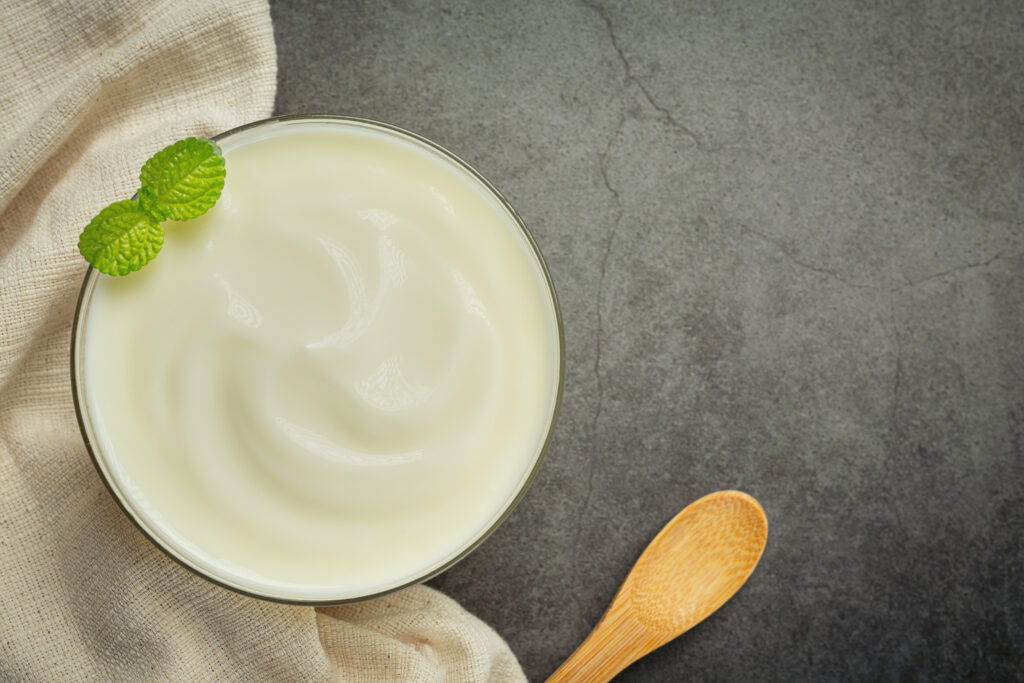
Yogurt supports the gut by improving lactose digestion, strengthening the intestinal barrier, and reducing inflammation. It also enhances nutrient absorption, especially calcium and B vitamins. The probiotics in yogurt crowd out harmful bacteria, making it harder for pathogens to thrive.
Choosing the right yogurt matters. Always look for labels that say “live and active cultures.” Avoid flavored yogurts loaded with added sugars, as sugar feeds harmful bacteria. Plain, unsweetened yogurt works best. Greek yogurt offers higher protein content, which helps keep you full and supports muscle health.
You can enjoy yogurt for breakfast, as a snack, or as part of savory dishes. Pairing yogurt with fiber-rich fruits or oats creates a gut-friendly meal that feeds both probiotics and prebiotics. This simple habit supports digestive health over time.
2. Kefir: A Stronger Probiotic Ally
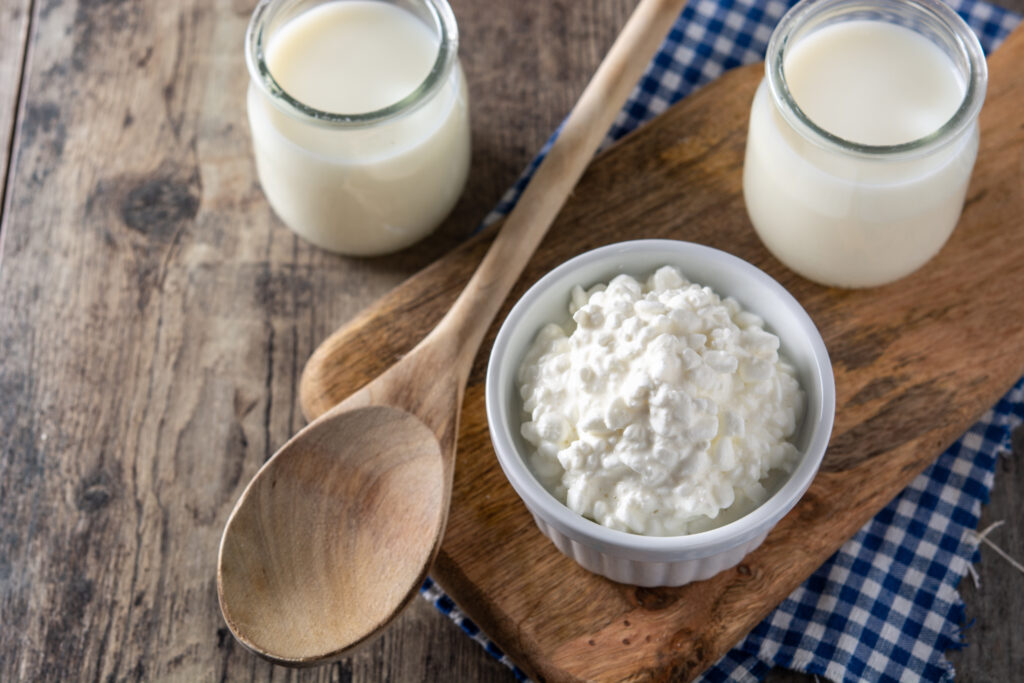
Kefir takes fermented dairy to another level. It contains a broader range of probiotic strains than yogurt, often up to 30 different types. Research from Frontiers in Microbiology highlights kefir’s ability to inhibit harmful bacteria and improve gut microbial diversity.
Unlike yogurt, kefir has a thinner consistency and a slightly tangy taste.
- It supports digestion, boosts immune function, and may reduce inflammation. Kefir also contains yeast-based probiotics that survive stomach acid more effectively.
People with lactose intolerance often tolerate kefir better because fermentation breaks down lactose. You can drink kefir on its own, blend it into smoothies, or use it as a salad dressing base.
3. Sauerkraut: Fermented Cabbage with Big Benefits
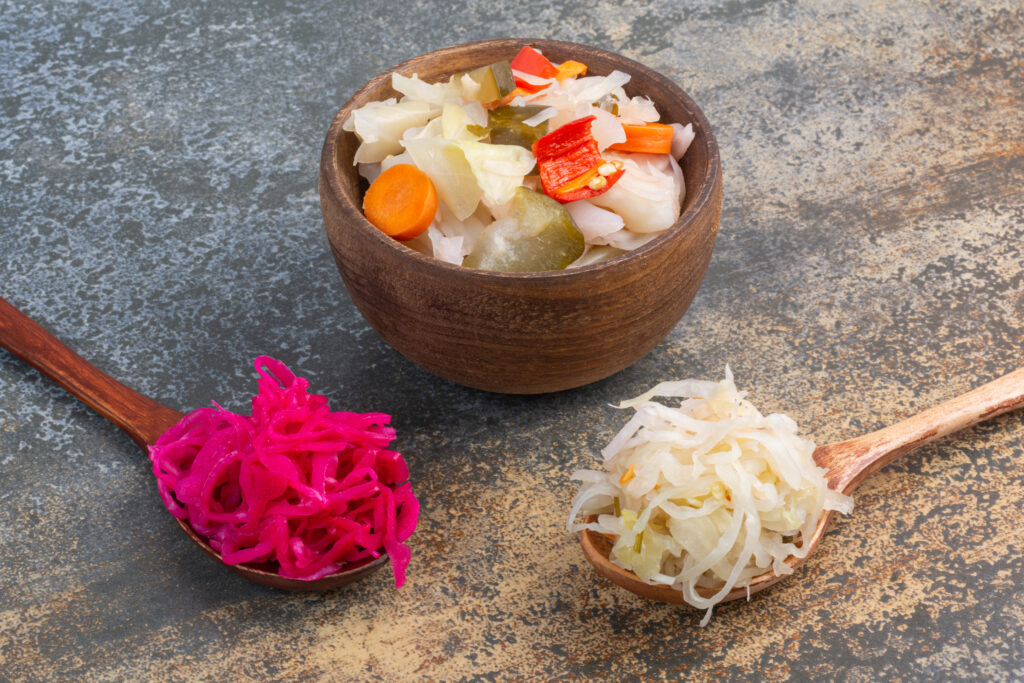
Sauerkraut offers powerful gut benefits through natural fermentation. It contains probiotics, fiber, and bioactive compounds that support digestion. According to the Cleveland Clinic, fermented vegetables enhance microbial diversity and improve gut barrier function.
Raw, unpasteurized sauerkraut provides the most benefit. Pasteurization kills beneficial bacteria, so always check labels. Adding a small serving to meals improves digestion and adds flavor without heavy calories.
4. Kimchi: Spicy, Tangy, and Gut-Friendly
Kimchi combines fermentation with vegetables, garlic, and spices. It delivers probiotics, fiber, and antioxidants. Studies in The Journal of Medicinal Food show that kimchi supports gut health, reduces inflammation, and improves metabolic markers.
Its diverse ingredients promote microbial variety. Regular intake helps digestion while adding bold flavor to meals.

5. Fiber-Rich Oats: Fuel for Good Bacteria
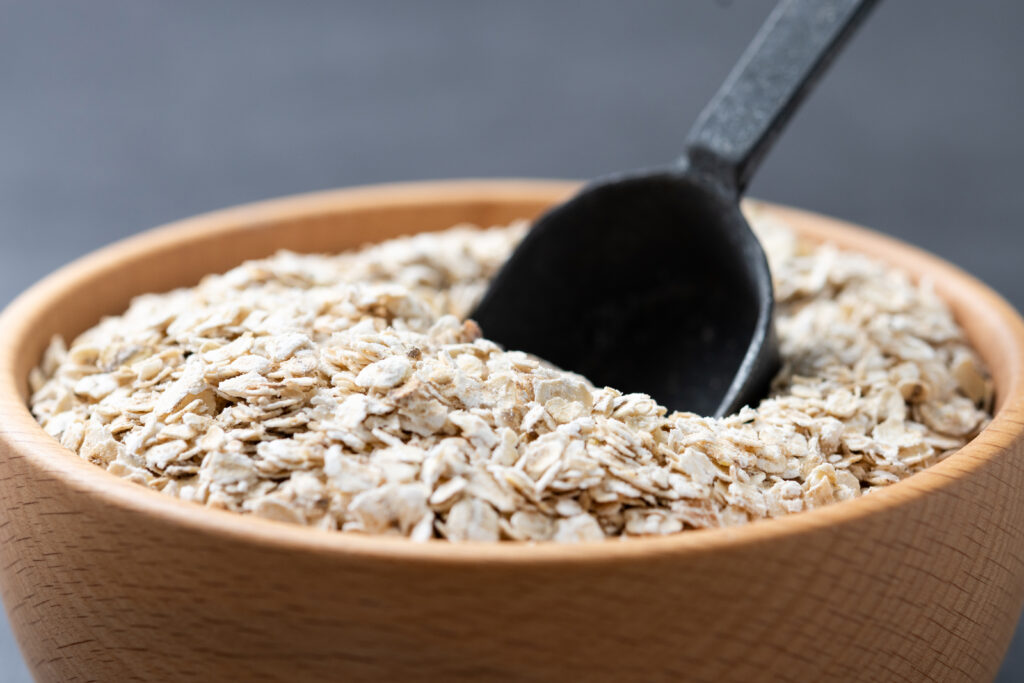
Oats contain beta-glucan, a soluble fiber that feeds beneficial gut bacteria. According to Harvard Health, soluble fiber improves stool consistency and supports heart health. Oats also promote the production of short-chain fatty acids, which strengthen the gut lining.
6. Bananas: Prebiotic Support for Your Gut
Bananas contain resistant starch and inulin, which act as prebiotics. These compounds feed beneficial bacteria and improve bowel regularity. Slightly green bananas offer the most resistant starch.

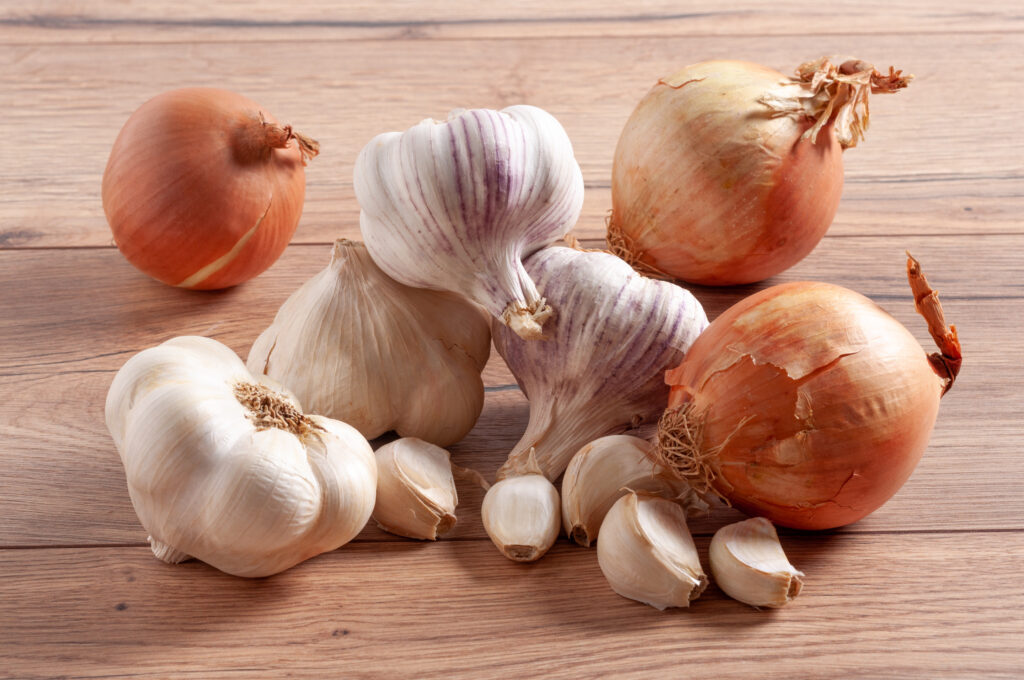
7. Garlic: A Natural Prebiotic Superstar
Garlic feeds beneficial bacteria without nourishing harmful strains. Research in The Journal of Nutrition confirms garlic’s prebiotic effects. Raw garlic provides the strongest benefit, though cooked garlic still supports gut health.
8. Onions: Everyday Gut-Boosting Food
Onions provide inulin and fructooligosaccharides. These compounds increase beneficial bacteria and improve digestion. Onions also support immune health and reduce inflammation.
9. Apples: Fiber, Polyphenols, and Gut Balance
Apples contain pectin, a soluble fiber that supports gut bacteria. According to the Nutrients Journal, apple polyphenols promote microbial diversity. Eating apples with the skin maximizes benefits.
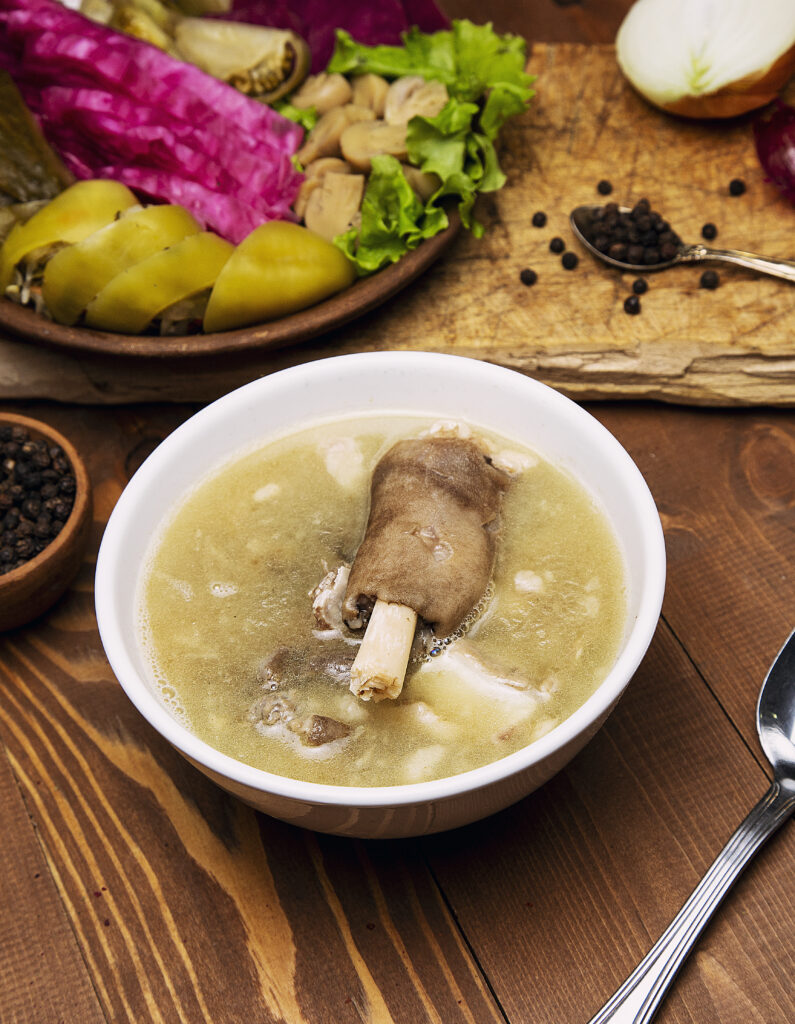
10. Bone Broth: Healing the Gut Lining
Bone broth contains amino acids like glutamine, which support gut lining integrity. Studies from Clinical Nutrition highlight its role in gut repair and reduced inflammation. Homemade bone broth offers the best nutritional value.
How to Combine Foods for Gut Health Effectively
Combining probiotics with prebiotics enhances gut benefits. Yogurt with oats, kefir with bananas, or sauerkraut with fiber-rich meals creates a balanced approach.
“Healthy, hearty, and oh-so-delicious! Click to grab the recipes for 10 easy soups that make weight loss feel effortless.”
Conclusion: Building a Gut-Friendly Lifestyle
Gut health depends on consistency, not perfection. By regularly eating foods for gut health, you support digestion, immunity, and overall well-being. These ten foods offer a natural, research-backed way to transform your gut and feel better every day.
“Looking for more meal ideas? Check out our guide on Healthy Appetizer Recipes.”
FAQs
1. How long does it take to improve gut health?
Most people notice changes within two to four weeks of dietary consistency.
2. Can gut health affect mental health?
Yes, research shows strong links between gut bacteria and mood regulation.
3. Are probiotic supplements necessary?
Whole foods usually provide sufficient support for most people.
4. Can children eat foods for gut health?
Yes, natural gut-friendly foods are safe and beneficial for children.
5. What foods should I avoid for better digestion?
Limit ultra-processed foods, excessive sugar, and artificial sweeteners.