
Table of Contents
Anti-inflammatory food is more than just a trend—it’s a lifestyle shift that can transform your health from the inside out. Inflammation, while a natural immune response, can wreak havoc on your body when it becomes chronic. From joint pain and fatigue to serious illnesses like heart disease and diabetes, ongoing inflammation is a silent culprit behind many health struggles. The good news? Your most potent weapon may be the food you consume. By incorporating nutrient-rich, anti-inflammatory food choices into your daily meals, you can reduce inflammation, enhance immunity, and improve overall well-being without relying solely on medication. In this guide, we’ll explore ten powerful foods backed by science that can help keep inflammation in check—and they’re all delicious enough to make you look forward to eating healthy.
Introduction to Anti-Inflammatory Foods
What are Anti-Inflammatory Foods?
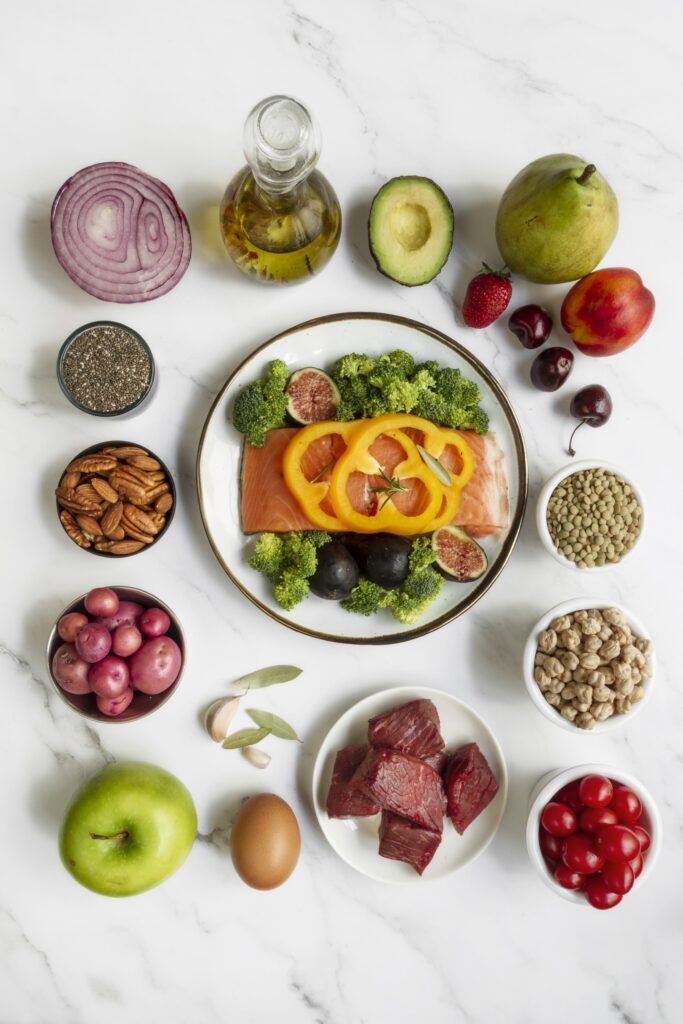
At its core, anti-inflammatory food refers to ingredients that actively work to lower inflammation in the body. They’re rich in antioxidants, healthy fats, vitamins, and minerals that support your immune system and help regulate the body’s inflammatory response. Unlike processed foods loaded with sugar, refined oils, and additives that trigger inflammation, anti-inflammatory foods promote cellular health and help your body heal naturally.
Common examples include colorful fruits, omega-3-rich fish, nuts, seeds, and spices like turmeric and ginger. These foods not only reduce inflammation but also improve digestion, stabilize blood sugar, and protect against oxidative stress. The beauty is that they’re easy to incorporate—sometimes it’s as simple as swapping your cooking oil or adding a handful of berries to your breakfast.
Why Inflammation is a Silent Health Threat
While inflammation can be beneficial in short bursts—such as when your body is fighting off a cold or healing a cut—chronic inflammation is another story entirely. It’s often invisible, building quietly over time due to poor diet, stress, lack of sleep, and environmental toxins. This persistent inflammation puts strain on your organs, increases your risk of chronic diseases, and even accelerates aging.
By making anti-inflammatory food a consistent part of your diet, you create a natural defense system. Think of it as regularly tuning up your body’s engine—keeping everything running smoothly while preventing the slow, hidden damage that can add up over the years.
1. Fatty Fish – Nature’s Omega-3 Powerhouse
How Omega-3s Fight Inflammation
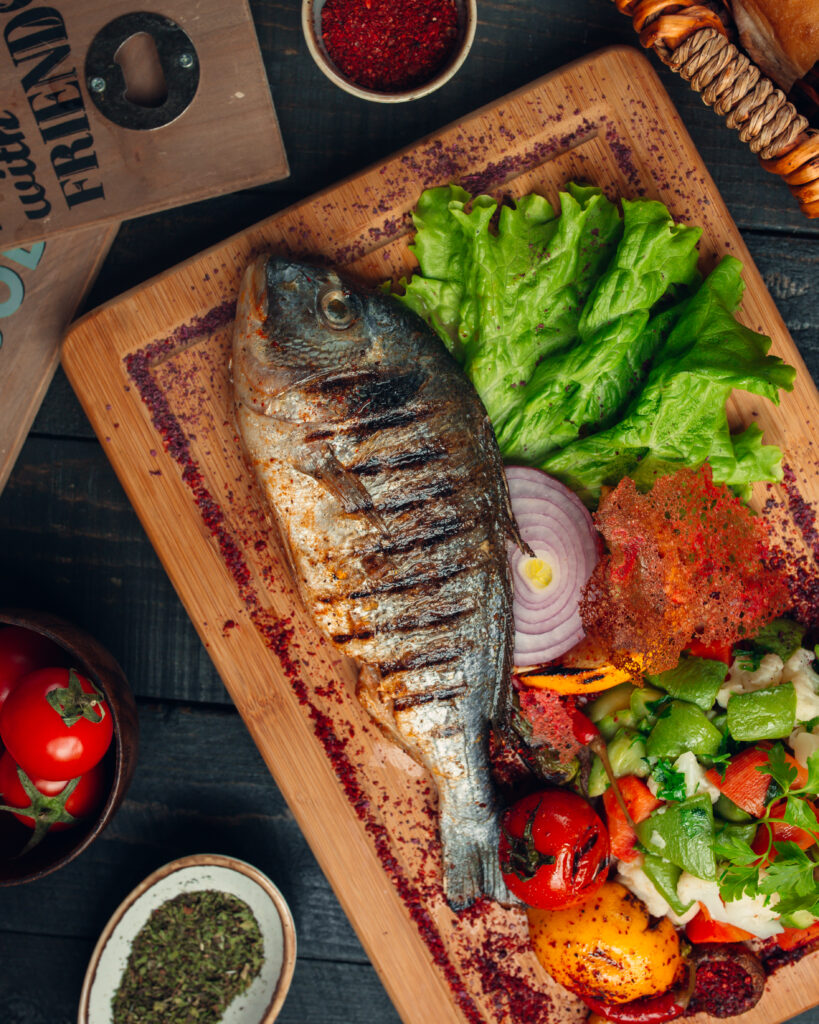
Fatty fish such as salmon, mackerel, sardines, and tuna are loaded with omega-3 fatty acids, which are essential fats your body can’t produce on its own. These healthy fats reduce inflammation by lowering the production of pro-inflammatory compounds like cytokines and eicosanoids.
Research shows that people who consume fatty fish regularly have lower levels of C-reactive protein (CRP), a marker for inflammation in the blood. That means a salmon dinner isn’t just tasty—it’s a science-backed way to fight inflammation naturally.
Best Types of Fatty Fish for Your Diet
Wild-caught salmon, Atlantic mackerel, and sardines top the list due to their high omega-3 content and low mercury levels. For convenience, canned sardines or tuna packed in olive oil make great pantry staples.
To reap the maximum benefits, try to consume at least two servings of fatty fish per week. You can grill salmon with a sprinkle of turmeric, bake mackerel with fresh herbs, or toss sardines into a salad for a quick anti-inflammatory boost.
2. Berries – Small but Mighty Antioxidant Bombs
Why Antioxidants are Vital for Inflammation Control
These compounds combat oxidative stress, which is a key driver of inflammation and cell damage. Antioxidants work like tiny bodyguards, protecting your cells from free radical damage and keeping your immune system in balance.
Regular berry consumption has been linked to improved heart health, better brain function, and reduced risk of certain cancers. Plus, they’re naturally sweet, low in calories, and versatile enough to be enjoyed in smoothies, salads, or as a simple snack.
Top Berries for Maximum Benefits
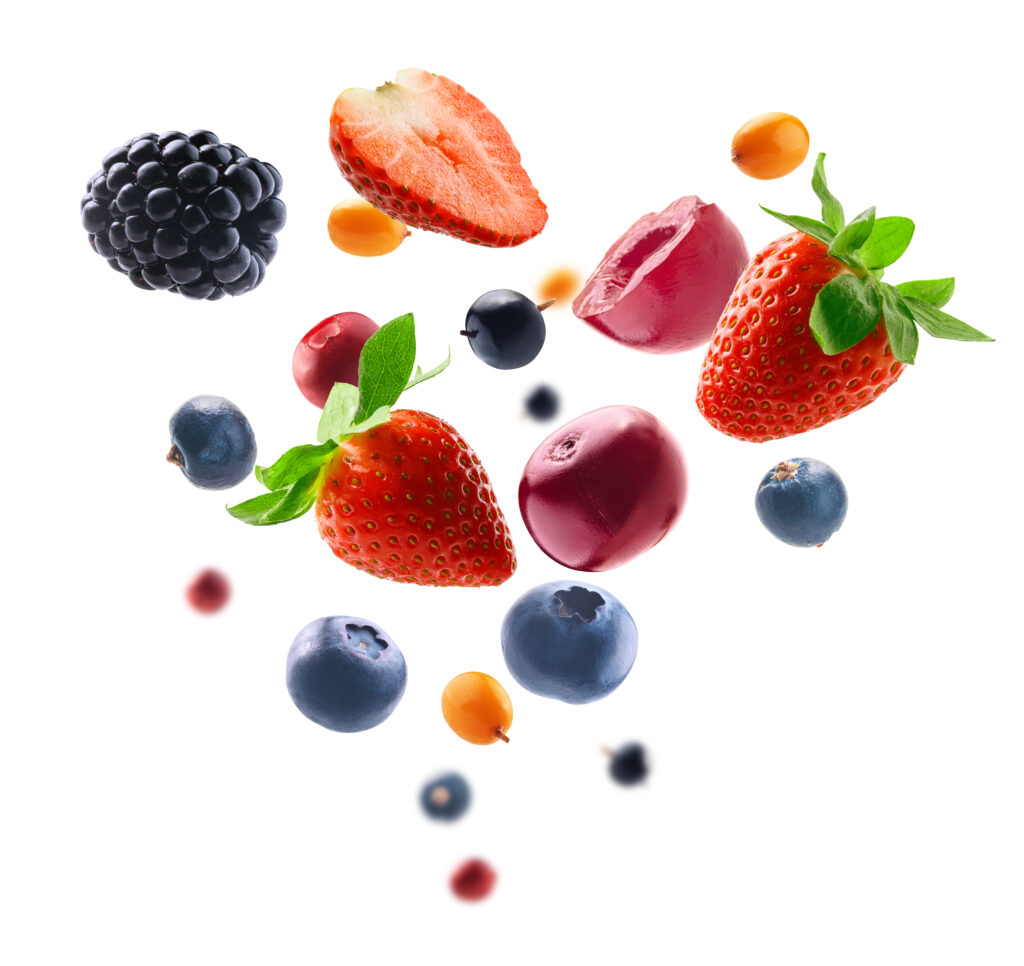
Blueberries – High in anthocyanins and vitamin C.
raspberries- vitamin K and fiber
Strawberries – Rich in antioxidants and anti-inflammatory polyphenols.
Blackberries – Packed with manganese and vitamin E for cell repair.
For best results, choose fresh or frozen berries without added sugar. A morning smoothie with spinach, blueberries, and almond milk is an easy way to pack in anti-inflammatory food before your day even begins.
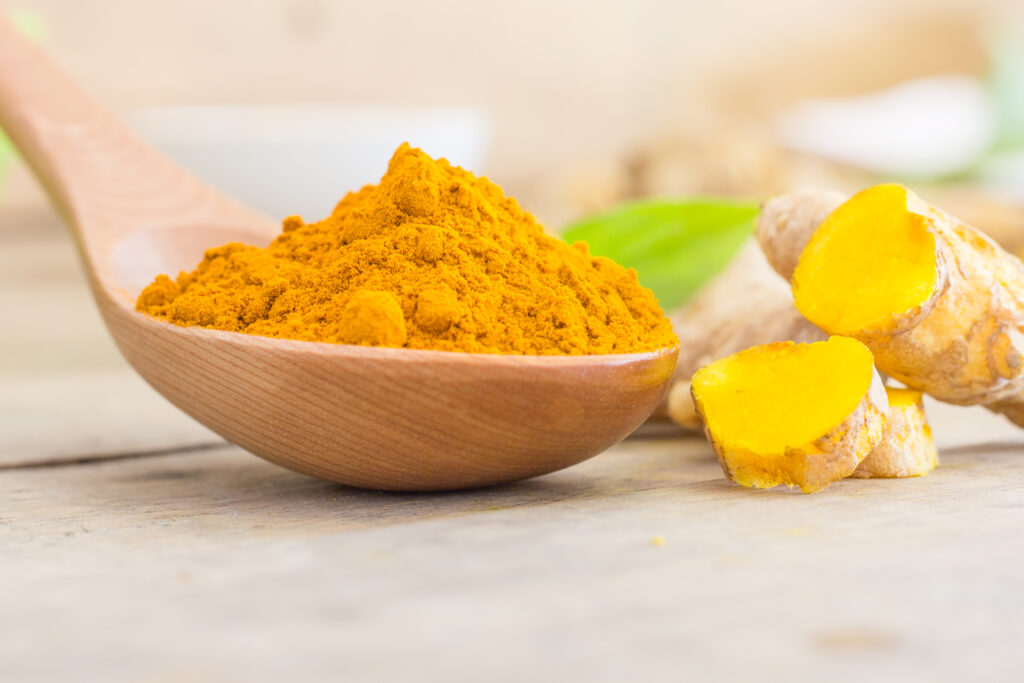
3. Turmeric – The Golden Spice with Healing Powers
Curcumin’s Role in Reducing Inflammation
Turmeric, the bright yellow spice often found in Indian and Middle Eastern cuisine, contains curcumin—one of the most potent natural anti-inflammatory compounds. Curcumin blocks molecules that trigger inflammation, making it especially effective for conditions like arthritis, metabolic syndrome, and even depression.
The only catch? Curcumin isn’t easily absorbed by the body. That’s why pairing it with black pepper, which contains piperine, can boost absorption by up to 2,000%.
Best Ways to Add Turmeric to Your Diet
Turmeric is incredibly versatile. Stir it into soups, curries, and rice dishes, or blend it into a warm golden latte with almond milk, honey, and black pepper. You can even sprinkle turmeric over roasted vegetables for a subtle, earthy flavor.
For those seeking more concentrated benefits, turmeric supplements with piperine are available—but whole food sources should always be your first choice for anti-inflammatory food intake.
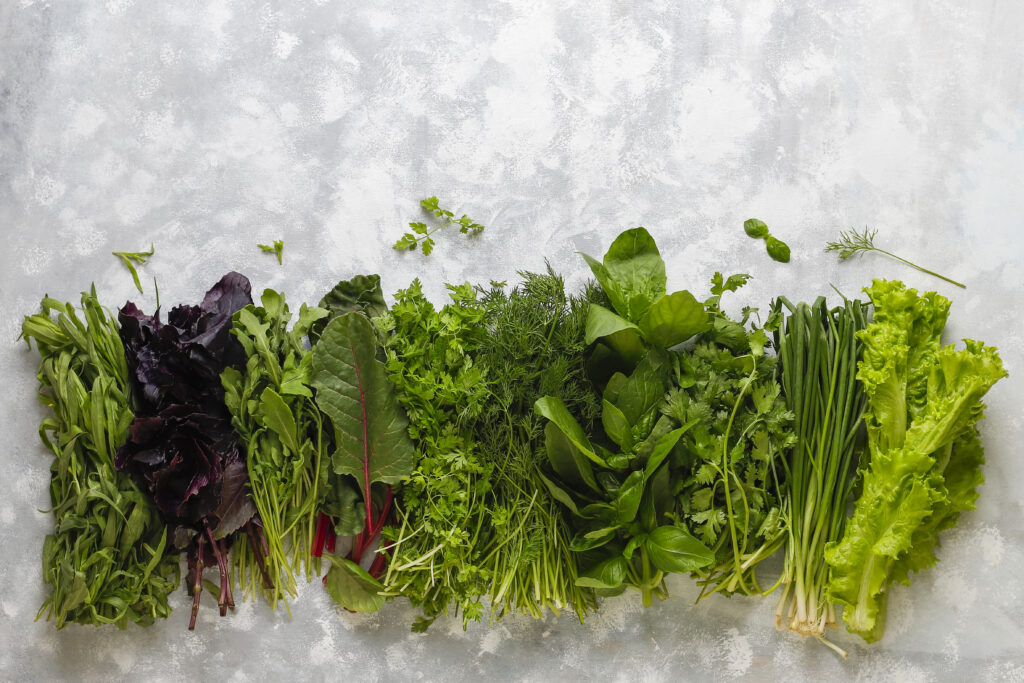
4. Leafy Greens – Nutrient-Dense Anti-Inflammatory Powerhouses
Vitamins and Minerals in Leafy Greens that Help Fight Inflammation
Leafy greens like spinach, kale, Swiss chard, and collard greens are loaded with vitamins A, C, E, and K—nutrients known for their anti-inflammatory and immune-boosting properties. They also have a lot of magnesium, which helps the body control inflammatory markers.
The fiber in leafy greens feeds healthy gut bacteria, which play a direct role in controlling inflammation. Plus, their low-calorie, high-nutrient profile makes them perfect for weight management—a key factor in preventing inflammation-related diseases.
Creative Ways to Incorporate More Greens
Instead of just making salads, try adding spinach to your morning smoothie, baking kale into crispy chips, or sautéing Swiss chard with garlic and olive oil. You can even blend greens into soups and stews without overpowering the flavor.
Eating at least one serving of leafy greens per day can have a noticeable impact on inflammation markers within weeks.
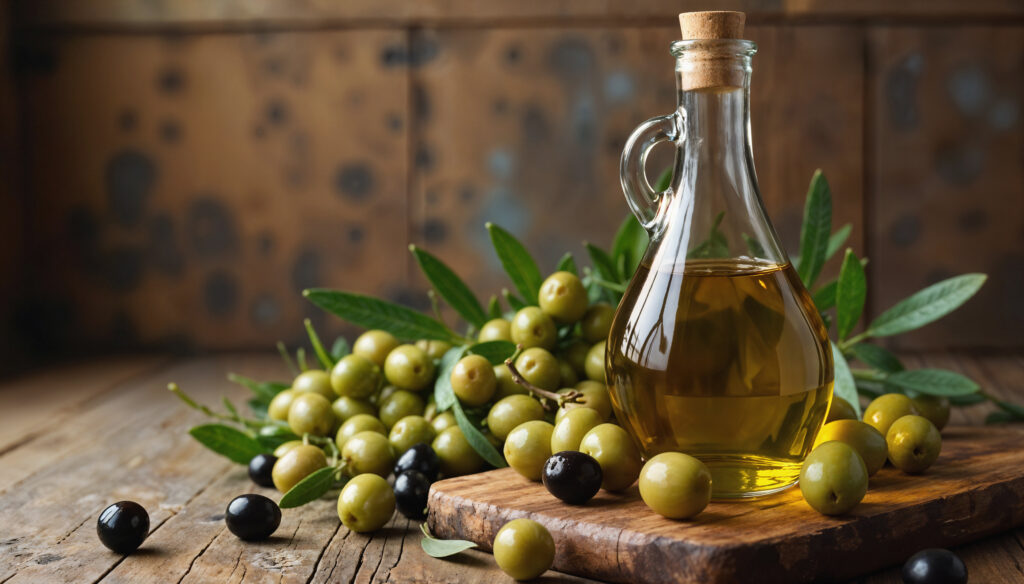
5. Olive Oil – Liquid Gold for Your Heart and Joints
The Anti-Inflammatory Magic of Oleocanthal
Extra virgin olive oil (EVOO) contains the Oleocanthal compound. It has anti-inflammatory properties like ibuprofen.
Studies show that diets high in olive oil—such as the Mediterranean diet—are linked to lower rates of chronic diseases and longer lifespans.
Olive oil works by reducing the production of inflammatory enzymes in the body, supporting heart health, joint mobility, and even brain function.
How to Choose the Best Olive Oil
Not all olive oil is created equal. Look for cold-pressed, extra virgin varieties in dark glass bottles to protect antioxidants from light damage. Check the harvest date if possible—fresher oil has stronger anti-inflammatory benefits.
Drizzle olive oil over salads, roasted vegetables, or even your morning toast for a tasty and heart-healthy anti-inflammatory food boost.
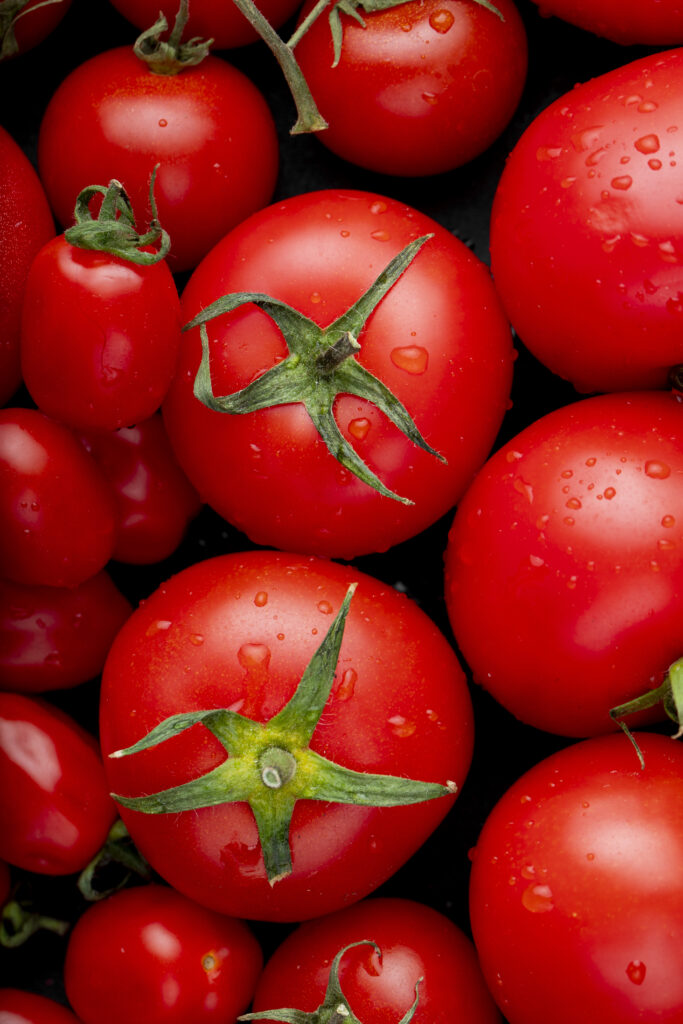
6. Tomatoes – A Juicy Source of Lycopene
Lycopene’s Anti-Inflammatory Benefits
Tomatoes are one of the richest sources of lycopene, a powerful antioxidant that helps lower inflammation, especially in the lungs and other parts of the body prone to oxidative stress. Lycopene works by neutralizing free radicals and reducing inflammatory compounds. Studies suggest that people who consume more tomatoes have lower markers of chronic inflammation and better cardiovascular health.
One of the unique features of lycopene is that it becomes more potent when tomatoes are cooked. This means that enjoying tomato sauces, soups, and stews can give you a bigger anti-inflammatory punch than raw tomatoes alone.
Raw vs. Cooked Tomatoes: Which is better?
While raw tomatoes are rich in vitamin C and other heat-sensitive nutrients, cooking them significantly boosts the bioavailability of lycopene. A balanced approach works best—mix fresh tomatoes into salads for a crisp bite and enjoy cooked versions in pasta sauces or roasted veggie dishes for maximum antioxidant power.
If you use olive oil and tomatoes together, it will help your body to absorb lycopene more efficiently, which results in excellent anti-inflammatory properties.7. Nuts – Healthy Fats for Long-Term Wellness
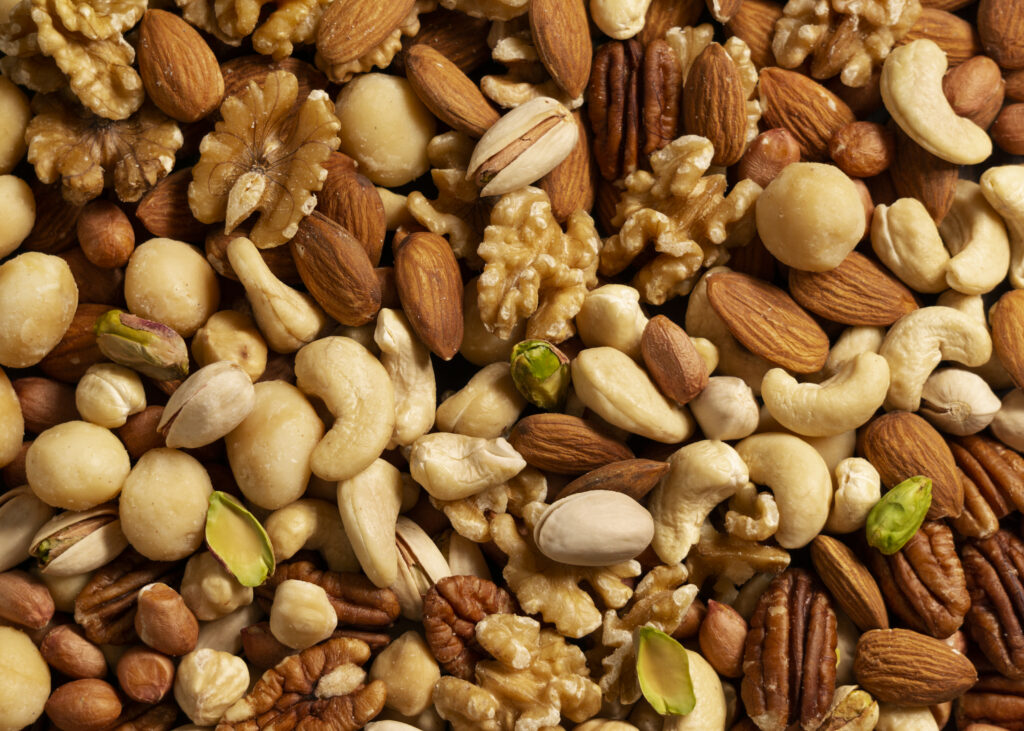
7. Nuts – Healthy Fats for Long-Term Wellness
How Nuts Reduce Inflammation and Support Heart Health
Almonds, walnuts, pistachios, and cashews contain a good quantity of antioxidants. They help reduce levels of CRP (C-reactive protein), a major marker of inflammation, and also improve cholesterol levels.
The omega-3 fatty acids found in walnuts are particularly powerful in combating inflammation, while almonds offer vitamin E, which protects cells from oxidative damage. Studies have linked regular nut consumption with a lower risk of heart disease, diabetes, and even cognitive decline.
Best Nuts for Anti-Inflammatory Benefits
Walnuts – High in omega-3 fatty acids.
Almonds – Rich in vitamin E and magnesium.
Pistachios – Loaded with antioxidants and potassium.
Brazil Nuts – Excellent source of selenium, which helps fight inflammation.
For the healthiest results, choose raw or lightly roasted nuts without added sugar or unhealthy oils. A small handful per day—around 1 ounce—is enough to reap anti-inflammatory food benefits without overloading on calories.
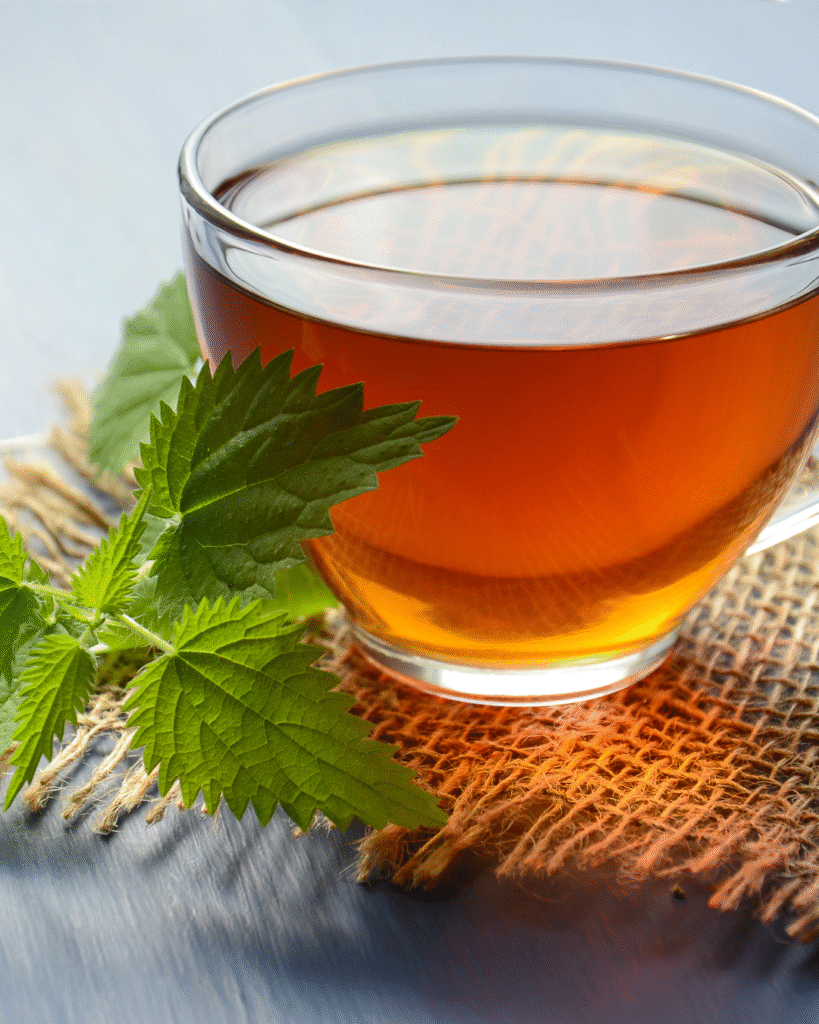
8. Green Tea – The Soothing Anti-Inflammatory Drink
EGCG and Its Role in Fighting Inflammation
Epigallocatechin gallate (EGCG), present in green tea it plays a significant role in reducing the production of inflammatory molecules and also improves cell function throughout the body.
Research links green tea consumption to lower risks of heart disease, cancer, and neurodegenerative disorders. It’s also known to boost metabolism and aid in weight management, which indirectly helps reduce inflammation caused by excess body fat.
Tips for Brewing the Perfect Cup
To get the most out of your green tea, avoid using boiling water, as it can damage delicate antioxidants. Instead, steep your tea for 2–3 minutes in water that has been heated to about 160–180°F (70–80°C).
For an extra anti-inflammatory boost, try adding a squeeze of lemon to your tea. Vitamin C can help your body absorb more antioxidants from the tea leaves.
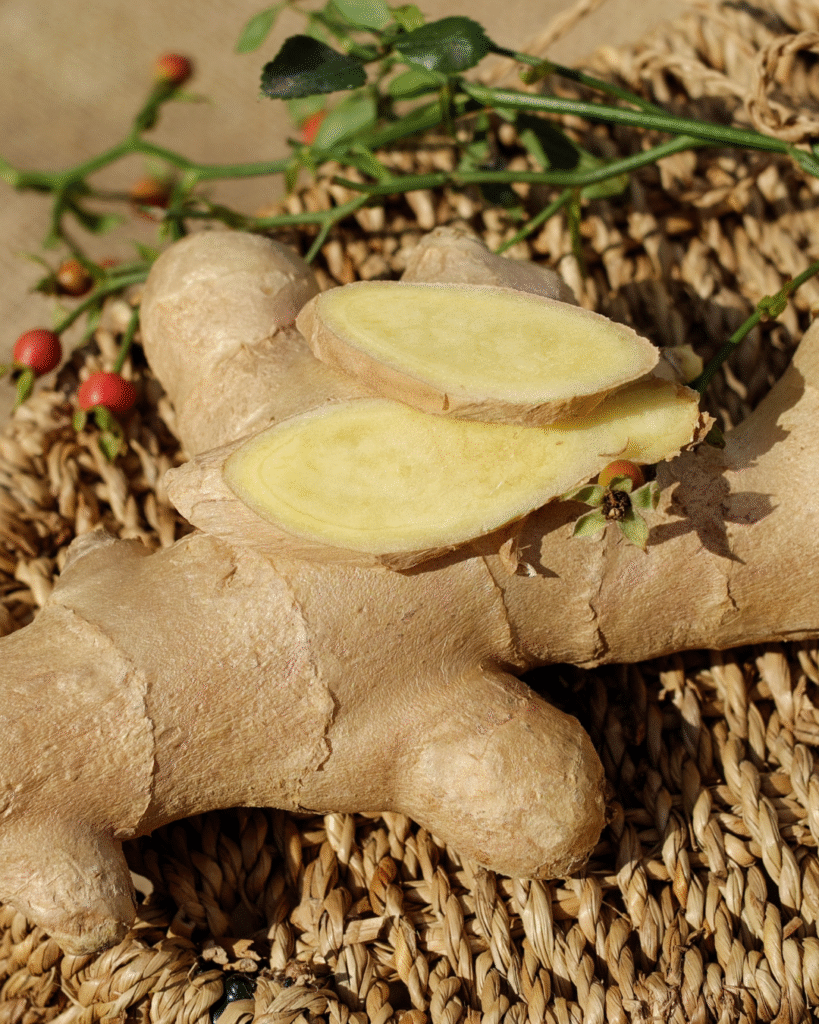
9. Ginger – The Spicy Root with Anti-Inflammatory Kick
Gingerol’s Role in Pain and Inflammation Relief
Ginger contains gingerol, a bioactive compound that has strong anti-inflammatory and antioxidant effects. It works by inhibiting the production of pro-inflammatory cytokines, which are chemicals that trigger pain and swelling.
This makes ginger particularly effective for conditions like osteoarthritis, muscle soreness, and digestive inflammation. It’s also well-known for its ability to ease nausea and improve overall gut health.
Delicious Ways to Use Ginger Daily
For a zesty boost of flavor, you can add fresh ginger to soups, stir-fries, and smoothies. Ginger tea, made by steeping fresh slices in hot water, is a soothing drink for cold days or after meals.
If you enjoy baking, ground ginger can be added to cookies, muffins, and spice blends. Just be mindful of sugar levels in sweet recipes to keep your anti-inflammatory food goals intact.

10. Dark Chocolate – A Sweet Treat that’s Good for You
Flavonoids and Anti-Inflammation
Dark chocolate (with at least 70% cocoa) is rich in flavonoids—antioxidants that help reduce inflammation, improve blood flow, and protect heart health. These compounds help lower oxidative stress, which plays a major role in chronic inflammation.
Studies show that moderate dark chocolate consumption can lower CRP levels and improve vascular health. The key is moderation—too much sugar can cancel out the benefits, so aim for 1–2 small squares a few times a week.
Choosing the Healthiest Dark Chocolate
When buying dark chocolate, look for varieties with minimal added sugar and no artificial additives. Organic and fair-trade options are often higher quality and more nutrient-rich.
Combining dark chocolate with nuts or berries can satisfy your sweet tooth while simultaneously providing double the anti-inflammatory benefits.
Building Your Anti-Inflammatory Diet Plan
Combining Foods for Maximum Impact
The real magic happens when you combine multiple anti-inflammatory foods into your daily meals. For example, a salad with leafy greens, tomatoes, olive oil, and walnuts checks multiple boxes for nutrient density and inflammation control.
Think of your diet as a team effort—each food brings its strengths, but together, they create a powerhouse defense against inflammation.
Simple Meal Ideas
Breakfast: You can add blueberries, some walnuts, and a little bit of honey to your plain yogurt or Greek yogurt.
Lunch: Spinach salad with grilled salmon, tomatoes, and olive oil dressing.
Snack: Green tea with a piece of dark chocolate.
Dinner: Turmeric-spiced chicken with sautéed kale and roasted sweet potatoes.
Conclusion
Fighting inflammation doesn’t require drastic changes—it’s about making small, consistent shifts in what you eat. By including anti-inflammatory food like fatty fish, berries, turmeric, leafy greens, and olive oil in your daily routine, you can support your body’s natural healing process, reduce the risk of chronic disease, and feel more energized.
Whether you start with a handful of nuts, a cup of green tea, or a colorful salad, every bite counts toward a healthier, more vibrant you.
FAQs
1. What is the fastest way to reduce inflammation in the body?
Eating a nutrient-rich, anti-inflammatory diet, staying hydrated, reducing stress, and getting regular exercise are the fastest ways to reduce inflammation naturally.
2. How often should I eat anti-inflammatory foods?
Ideally, every day. Consistency is key to keeping inflammation under control.
3. Are supplements as effective as whole foods for inflammation?
Supplements can help in certain cases, but whole foods offer a broader range of nutrients and synergistic benefits.
4. Can children benefit from an anti-inflammatory diet?
Yes, children benefit from anti-inflammatory foods just as much as adults, and starting early can promote lifelong health.
5. Is it possible to overdo anti-inflammatory foods?
While rare, excessive consumption of certain foods (like nuts or fish high in mercury) can have downsides. Balance is important.
Pingback: 7 Days of No-Sugar, High-Protein, Anti-Inflammatory Meal plan