
Table of Contents
Gut health affects far more than just digestion. You feel balanced, focused, and full of energy when your stomach is healthy. When it’s not, symptoms like bloating, constipation, fatigue, skin problems, low immunity, and even mood swings can show up. What many people don’t realize is that these issues often start with what’s on their plate.
The worst foods for gut health are not always obvious. Many are everyday foods that have become normalized in modern diets. This article explains which foods harm your gut, why they cause damage, and how limiting them can support natural healing—without fear or extreme restriction.
To read more articles, visit https://healthywithayesha.com/
Why Gut Health Matters More Than You Think
Your gut microbiome is made up of trillions of microorganisms that live there. These bacteria help digest food, absorb nutrients, regulate inflammation, and protect your immune system. When this equilibrium is upset, dangerous germs may take over.
Gut microbes are mostly shaped by diet. Consistently eating foods that irritate the gut lining or feed harmful microbes leads to inflammation and poor digestion. Over time, this can affect your entire body—not just your stomach.
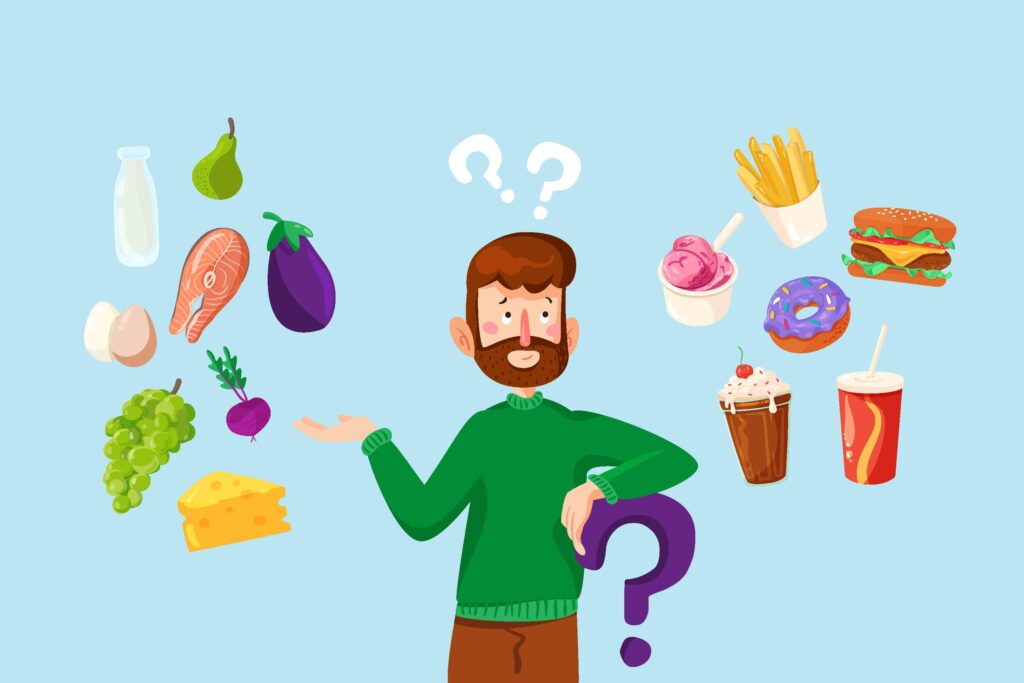
How Certain Foods Damage Gut Health
Foods that harm gut health usually share common traits:
- low fiber
- high sugar
- artificial additives
- unhealthy fats.
These foods disrupt bacterial balance and weaken the gut lining.
Chronic inflammation is often the result. When the gut lining becomes irritated, digestion slows, nutrient absorption drops, and the immune system becomes overstimulated. Limiting these foods gives your gut a chance to repair itself.
Gut health is the foundation of overall wellness. Here’s why The Ultimate Guide to Gut Health: Foods, Habits, and Natural Healing
1. Refined Sugar
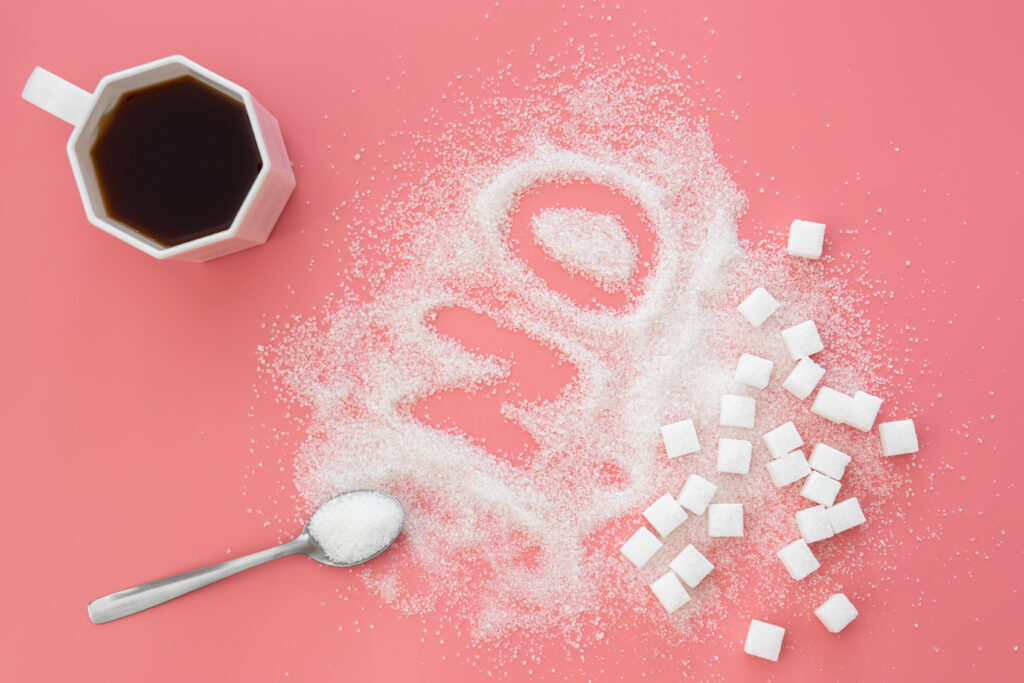
Refined sugar is one of the most damaging foods for gut health. It feeds harmful bacteria and yeast, allowing them to multiply rapidly. This often leads to bloating, gas, sugar cravings, and inflammation.
Excess sugar also weakens the gut lining, making digestion less efficient. Over time, this imbalance can contribute to leaky gut and immune issues.
Healthier alternatives, such as fruit, dates, honey, or maple syrup, used in moderation, are gentler on the gut.
2. Ultra-Processed Foods
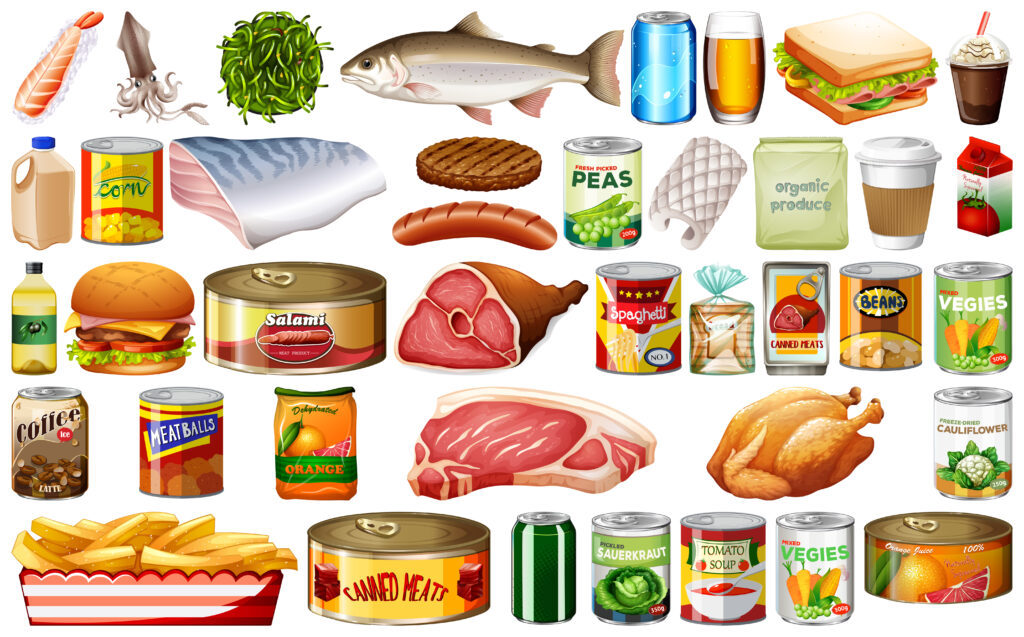
Ultra-processed foods include packaged snacks, frozen meals, fast food, and instant products. These foods are stripped of nutrients and loaded with preservatives, emulsifiers, and artificial ingredients.
They lack fiber, which means beneficial gut bacteria are not being fed. Instead, harmful bacteria thrive, leading to digestive discomfort and inflammation. Regular consumption is strongly linked to poor gut health.
3. Artificial Sweeteners
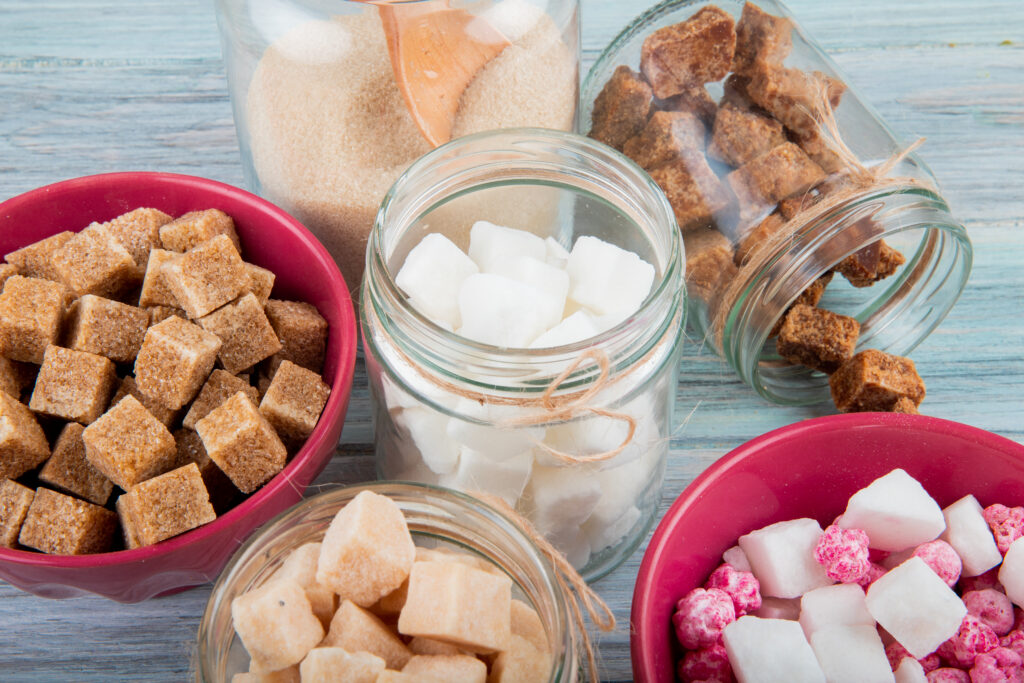
Artificial sweeteners such as aspartame, sucralose, and saccharin may reduce calories, but they disrupt gut bacteria. Studies show they can decrease beneficial bacteria and increase digestive symptoms.
Many people experience bloating, diarrhea, or stomach pain after consuming artificial sweeteners—even in small amounts. Natural sweeteners used sparingly are a better choice for gut health.
4. Refined Carbohydrates
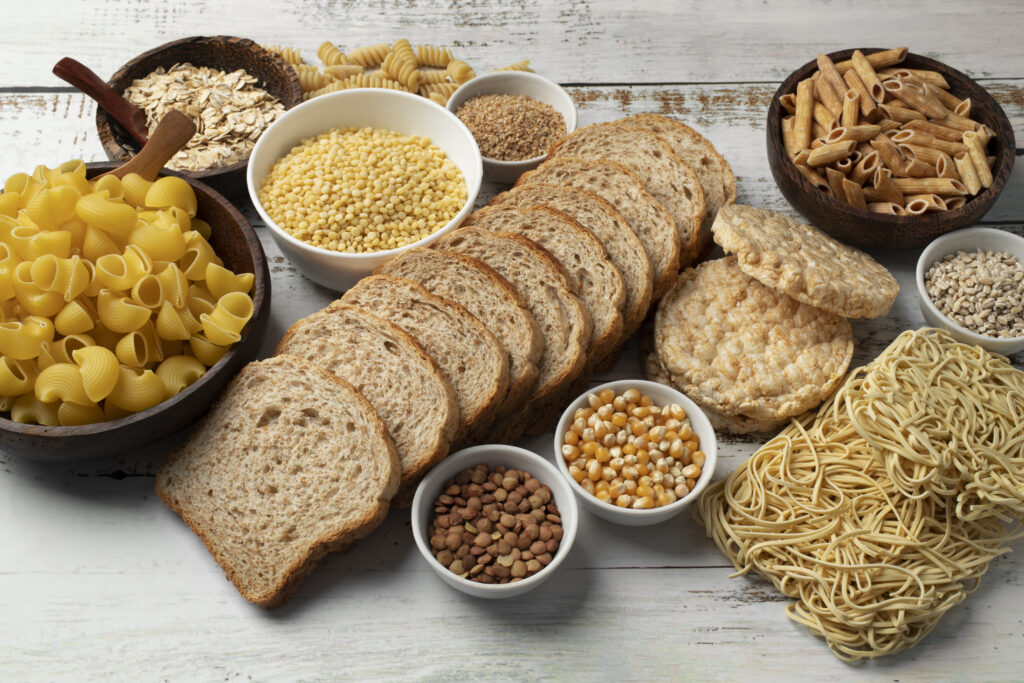
White bread, pastries, white pasta, and baked goods are quickly broken down into sugar. This rapid digestion feeds harmful bacteria and spikes inflammation.
Refined carbs lack fiber, which is essential for maintaining gut health and promoting bacterial balance. Over time, they can contribute to constipation, bloating, and sluggish digestion.
5. Fried Foods
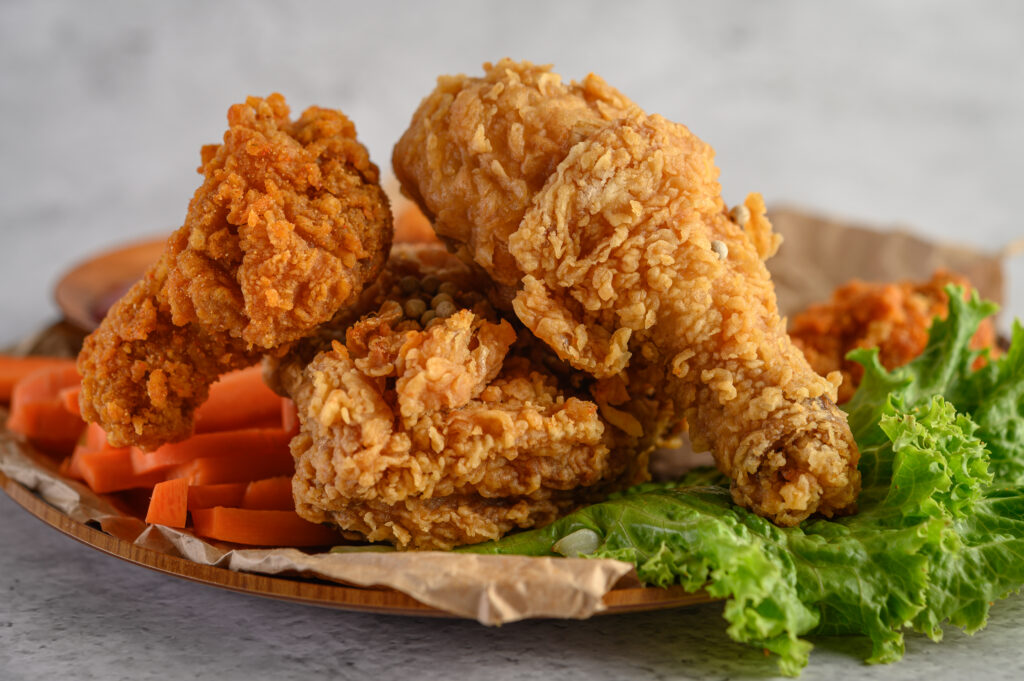
Fried foods are heavy and difficult to digest. They slow stomach emptying, often causing bloating, acid reflux, and discomfort.
They are usually cooked in inflammatory oils that damage the gut lining. Regular consumption disrupts gut bacteria and increases digestive stress.
6. Alcohol

Alcohol irritates the gut lining and reduces beneficial bacteria. Frequent intake increases inflammation and weakens the gut barrier, allowing toxins to enter the bloodstream.
This can lead to fatigue, digestive issues, poor immunity, and worsened gut symptoms. Limiting alcohol gives your gut space to recover.
7. Dairy (For Sensitive Individuals)
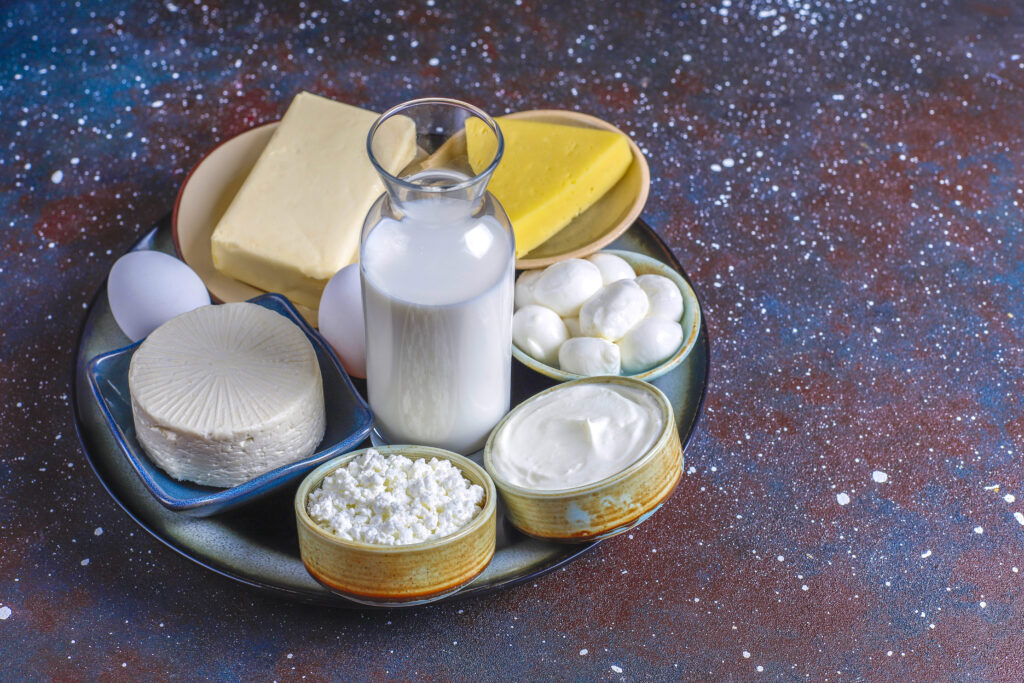
Dairy is not harmful for everyone, but many people struggle to digest lactose or milk proteins. Symptoms include bloating, gas, cramps, and diarrhea.
Dairy products that have undergone fermentation, such as kefir or yoghurt, could be more palatable. Listening to your body is key—gut health is highly individual.
8. Red and Processed Meats

Processed meats contain preservatives and additives that disrupt gut bacteria and promote inflammation. High intake is associated with reduced bacterial diversity.
Choosing lean proteins, fish, legumes, and plant-based options more often supports better digestion and gut balance.
9. Excessive Caffeine
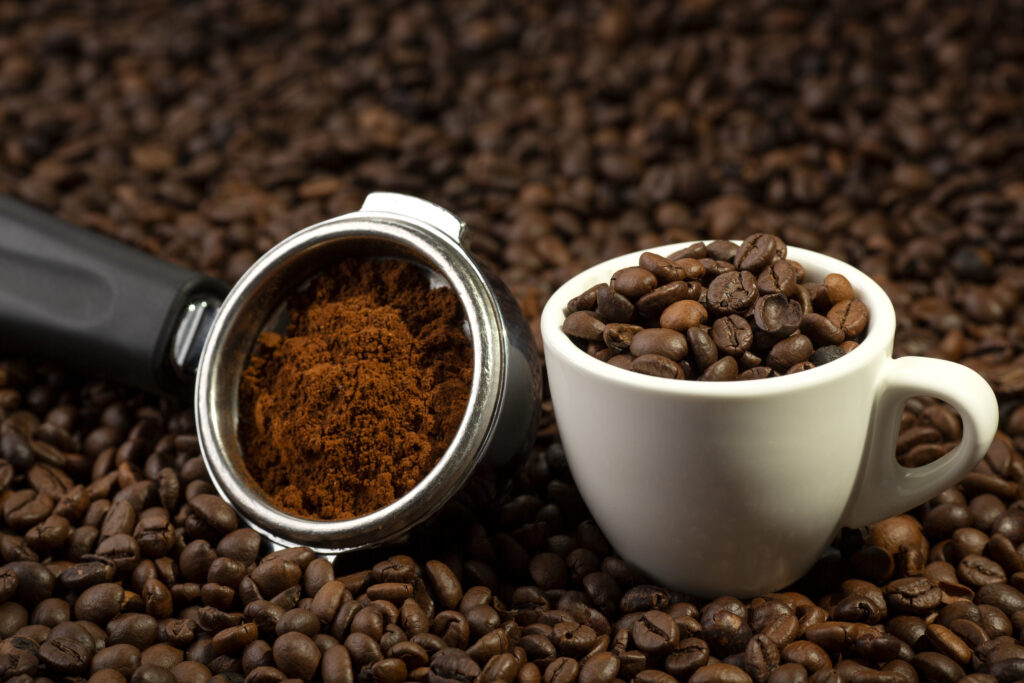
Too much caffeine increases stomach acid and irritates the gut lining. It can worsen acid reflux, anxiety, and loose stools.
Moderation is important. Switching some coffee intake to herbal teas can calm the digestive system.
10. Foods with Artificial Additives

Artificial colors, flavors, and preservatives irritate the gut and disrupt bacterial balance. These additives are common in packaged foods and should be limited.
Whole, minimally processed foods reduce exposure and support natural gut healing.
How Limiting These Foods Supports Gut Healing
Reducing the worst foods for gut health allows beneficial bacteria to thrive. Digestion improves, inflammation decreases, and nutrient absorption increases.
Many people notice
- less bloating
- better energy
- improved mood
- clearer skin within weeks of making these changes.
“Crunch, color, and clean eating in every bite — click for 12 easy salads you’ll actually crave!”
What to Eat Instead for Better Gut Health
- Focus on fiber-rich vegetables, fruits, whole grains, fermented foods, healthy fats, and clean proteins.
- Hydration, sleep, and stress management are just as important as food.
Gut healing is not about restriction; it’s about nourishment.
Final Thoughts: Balance Over Perfection
Understanding the worst foods for gut health empowers you to make better choices without guilt or extremes. Small, consistent changes matter more than perfection.
By limiting these foods and choosing gut-supportive alternatives, you allow your digestive system to heal naturally. Your gut is resilient—support it, and it will support you back.
Looking for natural ways to reduce cholesterol? These foods have been scientifically proven to be effective.
FAQs
1. What are the worst foods for gut health?
The worst foods for gut health include refined sugar, ultra-processed foods, artificial sweeteners, fried foods, excessive alcohol, and foods with artificial additives. These foods disrupt gut bacteria balance and increase inflammation.
2. Can eating unhealthy foods really damage gut health?
Yes. Regularly eating foods that harm digestion can weaken the gut lining, reduce beneficial bacteria, and lead to bloating, poor immunity, fatigue, and other digestive issues over time.
3. Do I need to eliminate these foods to heal my gut?
No. Gut healing is about consistency, not perfection. Limiting the worst foods for gut health most of the time is enough to support healing while still enjoying occasional treats.
4. How quickly will I notice improvements after limiting these foods?
Many people notice reduced bloating and better digestion within a few weeks. Greater improvements in gut health may take several months, depending on lifestyle and consistency.
5. What should I eat instead to improve gut health?
Focus on fiber-rich vegetables, fruits, whole grains, fermented foods, healthy fats, and clean protein sources. These foods support beneficial gut bacteria and natural gut healing.