
Table of Contents
Introduction to extreme belly fat weight loss tips
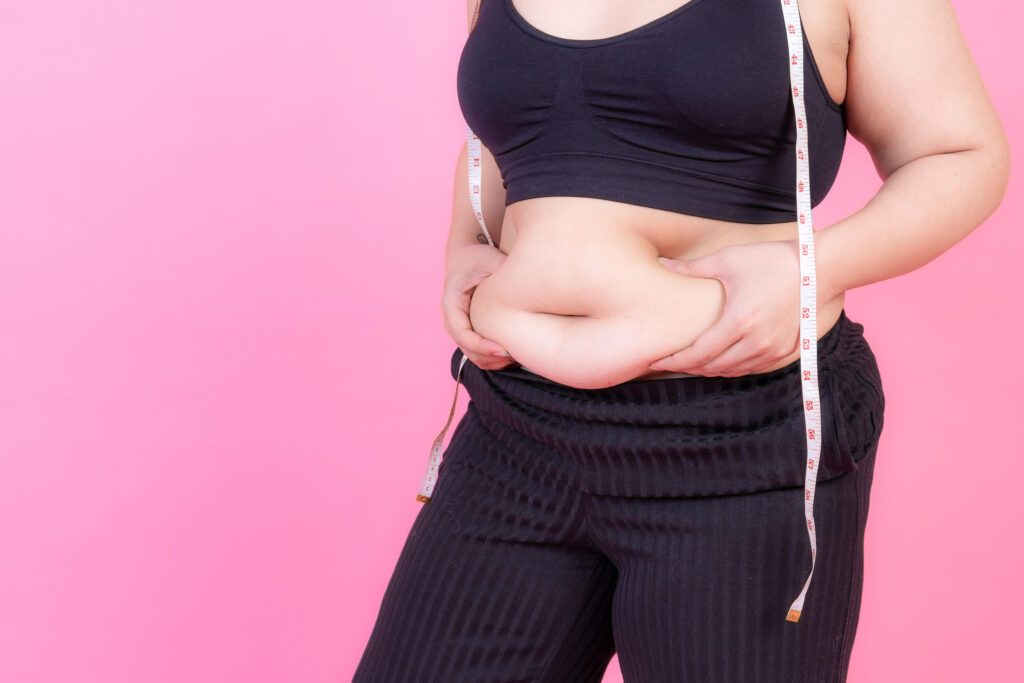
Let’s face it—belly fat is stubborn. It persists, regardless of how many crunches you do or how clean your diet is, and it is more than just a cosmetic issue. That extra layer of fluff around your midsection is often visceral fat, the dangerous kind that wraps around your organs and increases your risk of serious health problems like heart disease, diabetes, and metabolic disorders.
But here’s the good news with 12 extreme belly fat weight loss tips: losing belly fat isn’t just a pipe dream—it’s 100% doable when you follow the right strategies. We are not talking about outdated myths or gimmicky waist trainers here. We are diving into 12 extreme belly fat weight loss tips that work. These are not just mild tweaks—they’re aggressive but sustainable changes that can torch fat, rev up your metabolism, and help you carve out the flat stomach you’ve been chasing.
This guide is built for action. Whether you are a beginner or someone who’s hit a plateau, these tips will give you the edge you need. You’ll learn how to outsmart hormones, train more efficiently, eat for fat loss, and master the habits that separate the successful from the frustrated.
Ready to turn your body into a fat-burning machine? Let’s get started.
1. Embrace Intermittent Fasting (IF)
How IF Targets Belly Fat
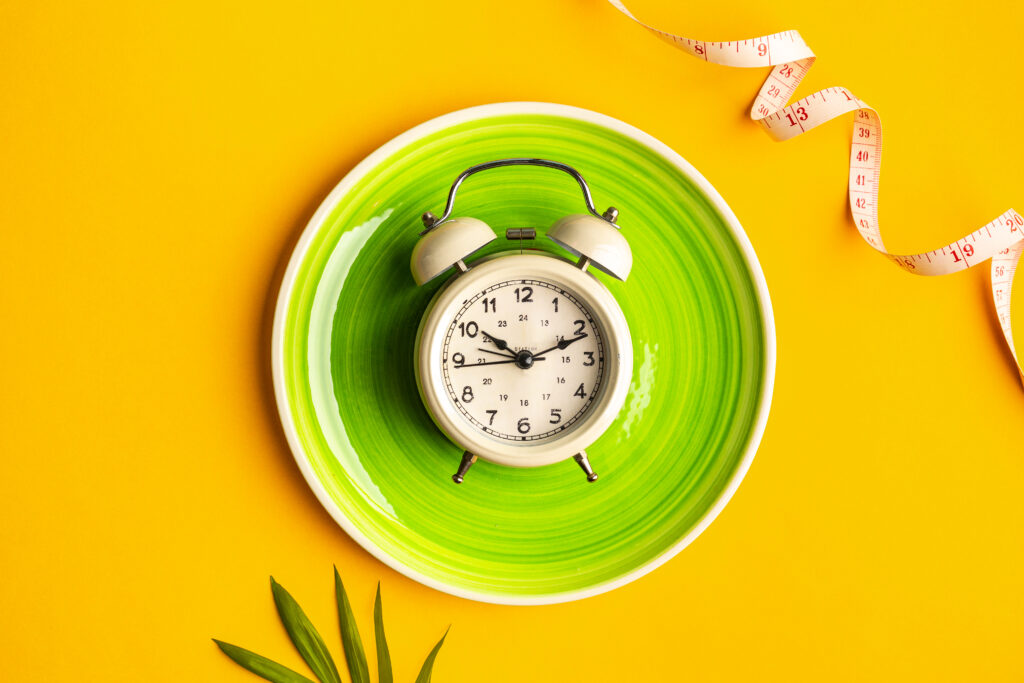
Let’s face it—belly fat is one of the most stubborn and frustrating types of fat to lose. But intermittent fasting (IF) has been a game-changer for many people trying to shed that extra padding around the belly. Why? Because IF isn’t about cutting calories all day long—it’s about when you eat. By restricting your eating window, your body taps into fat stores more efficiently, especially the visceral fat that sits deep inside your abdomen.
When you’re in a fasted state, your insulin levels drop significantly. This drop in insulin is key because high insulin levels keep your body in fat-storing mode. During a fast, your body burns fat for fuel since there’s no incoming energy (food), and belly fat tends to be one of the first to go. Plus, IF helps regulate hormones like ghrelin (your hunger hormone) and leptin (your satiety hormone), which makes you less likely to binge on empty calories.
The magic of IF lies in its simplicity. You don’t have to change what you eat immediately; you just adjust when you eat. And over time, that change pays off big.
Best IF Protocols to Start With:
There are several ways to practice intermittent fasting, but not all of them are created equal when it comes to targeting belly fat. Beginners often start with the 16:8 method—fast for 16 hours, eat during an 8-hour window. It’s effective and doesn’t feel overly restrictive. For example, you might eat from 12 p.m. to 8 p.m. and fast the rest of the day and night.
Another popular option is the 5:2 method, where you eat normally for five days a week and restrict calories to around 500–600 for two non-consecutive days.
There’s also OMAD (One Meal A Day), a more intense approach that some people swear by for rapid fat loss.
Whichever method you choose, ensure it aligns with your lifestyle. Consistency matters more than intensity. Start slow, listen to your body, and drink plenty of water during fasting hours.
2. Cut Out Sugar and Refined Carbs Immediately
Understanding the Role of Insulin in Belly Fat
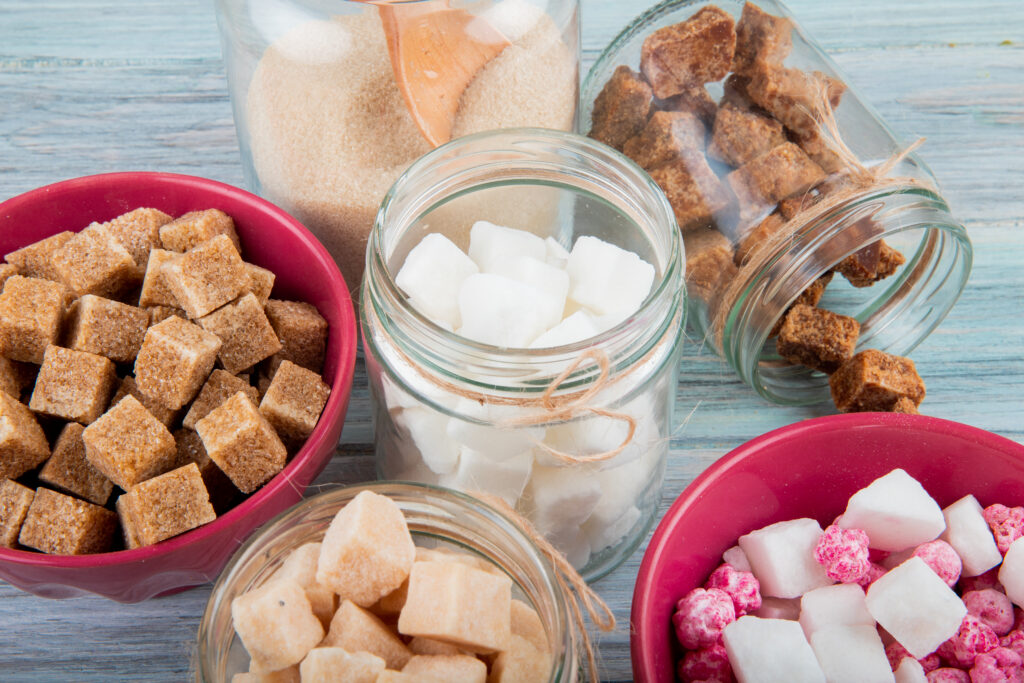
Sugar isn’t just a sweet indulgence—it’s a belly fat trap. When you consume sugar or refined carbohydrates (think white bread, pastries, sugary drinks), your blood sugar spikes. This causes a surge of insulin, the hormone responsible for transporting sugar into cells for energy. But here’s the catch: excess insulin tells your body to store fat—especially around the abdomen.
Over time, consistently high insulin levels lead to insulin resistance. This means your body needs even more insulin to do the same job, which sets the stage for more fat storage and increased risk of type 2 diabetes. Worse, insulin resistance is tightly linked with stubborn belly fat that doesn’t respond well to diet or exercise alone.
The good news? Cutting out sugar can lead to quick results. Within a week of ditching sugary foods and drinks, many people notice reduced bloating, improved energy, and a flatter stomach.
Hidden Sources of Sugar You Must Avoid
You might think you’re not eating much sugar—but the truth is, it’s hiding in plain sight. Foods marketed as “healthy” or “low-fat” are often packed with added sugars to enhance flavor.
- Flavored yogurts, granola bars, salad dressings, pasta sauces, and even sports drinks can sabotage your fat loss goals.
To truly cut sugar, you need to become a label detective. Look out for ingredients like high-fructose corn syrup, dextrose, maltose, and anything ending in “-ose.”
And don’t forget about refined carbs like white rice, pasta, and baked goods—they quickly break down into sugar in the body.
Instead, load up on whole foods: lean proteins, healthy fats, vegetables, and low-glycemic fruits like berries.
- Swapping soda for sparkling water or tea, and replacing white bread with sprouted grain or almond flour versions, can make a massive difference.
3. Prioritize High-Intensity Interval Training (HIIT)
Why HIIT Melts Belly Fat Faster Than Steady Cardio
If you’re spending an hour on the treadmill and not seeing results, it’s time to switch things up. High-Intensity Interval Training (HIIT) is an effective way to burn fat, especially belly fat, in a shorter amount of time. HIIT alternates between short bursts of intense activity and brief recovery periods.
This method keeps your heart rate up, your metabolism revved, and your fat-burning furnace running even after your workout ends (this is called the afterburn effect).
Numerous studies show HIIT is more effective than steady-state cardio at reducing abdominal and visceral fat. Why? Because it triggers a hormonal cascade—more adrenaline and growth hormone, both of which signal the body to burn fat, especially from the belly. Plus, HIIT improves insulin sensitivity, reduces inflammation, and boosts cardiovascular fitness, all in one session.
Sample HIIT Routine for Rapid Fat Loss
You don’t need a gym or fancy equipment to do HIIT. Here’s a simple beginner-friendly routine you can do at home:
20-Minute HIIT Workout:
Warm-up (3 minutes): Jumping jacks, arm circles, high knees
Circuit (Repeat 4 times):
30 seconds: Squat jumps
30 seconds: Push-ups
30 seconds: Mountain climbers
30 seconds: Rest
Cool down (3 minutes): Stretch, deep breathing.
Adjust intensity based on your fitness level. The key is to push hard during the “on” intervals and recover just enough to go again. Doing HIIT 3–4 times per week can dramatically reduce belly fat over time.
4. Eat More Protein, Especially in the Morning
How Protein Boosts Metabolism and Reduces Cravings
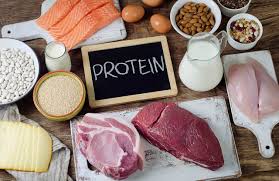
Protein is your secret weapon when it comes to extreme fat loss. It helps you build lean muscle (which increases your metabolism), keeps you fuller for longer, and curbs cravings like nothing else. But did you know that eating a high-protein breakfast sets the tone for fat-burning all day long?
When you eat protein, your body uses more energy to digest it—this is called the thermic effect of food. Compared to carbs and fats, protein burns more calories just by being digested. Plus, it stabilizes blood sugar levels, reducing hunger pangs and late-night snacking urges.
Studies show people who eat high-protein breakfasts consume fewer calories throughout the day. You’re also less likely to reach for sugary or carb-heavy snacks later, which directly impacts belly fat accumulation.
Top Protein-Rich Breakfast Ideas
Forget sugary cereals and toast. A belly-fat-blasting breakfast should include at least 20–30 grams of protein. Here are some delicious options:
Egg scramble with veggies and turkey sausage
Greek yogurt with chia seeds, almonds, and berries
Protein smoothie with whey protein, spinach, almond milk, and frozen berries
Cottage cheese with flaxseed and cinnamon
Avocado toast on sprouted grain bread with boiled eggs
Aim to include protein at every meal, but especially first thing in the morning. It gives your metabolism the kick it needs to torch fat all day long.
5. Manage Cortisol and Stress Levels
The Stress-Belly Connection
Ever wonder why stress seems to target your waistline? Blame cortisol. This stress hormone is your body’s natural “alarm system,” but when it stays elevated (thanks to chronic stress), it leads to increased appetite, cravings, and—you guessed it—belly fat.
Cortisol tells your body to hold onto fat around your midsection, thinking you’re in survival mode.
In today’s hustle culture, we’re bombarded with stressors—work, finances, social media, news, you name it. And when stress is high, comfort food becomes irresistible. This emotional eating spirals into weight gain, especially in the abdominal area, where cortisol receptors are most active.
6. Get More Quality Sleep
The Sleep-Weight Gain Cycle
Sleep isn’t just for rest—it’s a metabolic reset. Poor sleep is one of the most underrated causes of belly fat, and most people don’t even realize the connection. When you don’t get enough shut-eye, your hunger hormones go haywire. Ghrelin (which increases appetite) goes up, and leptin (which makes you feel full) goes down. The result? Cravings, overeating, and fat accumulation, especially around the waistline.
But that’s not all. Lack of sleep also increases cortisol levels—your stress hormone that we just discussed. Elevated cortisol, especially when combined with late-night snacking, leads to weight gain. Not to mention, you’re more likely to skip workouts or reach for high-sugar, high-fat foods when you’re exhausted.
Plus, during deep sleep, your body releases growth hormone, which supports fat burning and muscle repair. So, if you’re not sleeping enough or sleeping poorly, you’re sabotaging your fat-loss efforts without even knowing it.

Tips for Improving Sleep Hygiene
Getting better sleep isn’t about just going to bed earlier—it’s about quality. Here’s how to improve your sleep hygiene and support fat loss:
Set a consistent schedule: Go to bed and wake up at the same time daily, even on weekends.
Avoid screens an hour before bed: Blue light messes with your melatonin production. Try reading instead.
Keep your room cool and dark: A cool environment (65–68°F) and blackout curtains promote deeper sleep.
Limit caffeine after 2 p.m.: Even if you fall asleep, caffeine can disrupt sleep quality.
Establish a wind-down routine: Light stretching, herbal tea, journaling, or a warm bath can signal your brain it’s time to sleep.
Aim for 7–9 hours per night. It’s not lazy—it’s strategic. Your belly fat will thank you.
7. Avoid Liquid Calories at All Costs
The Hidden Dangers of Sugary Drinks
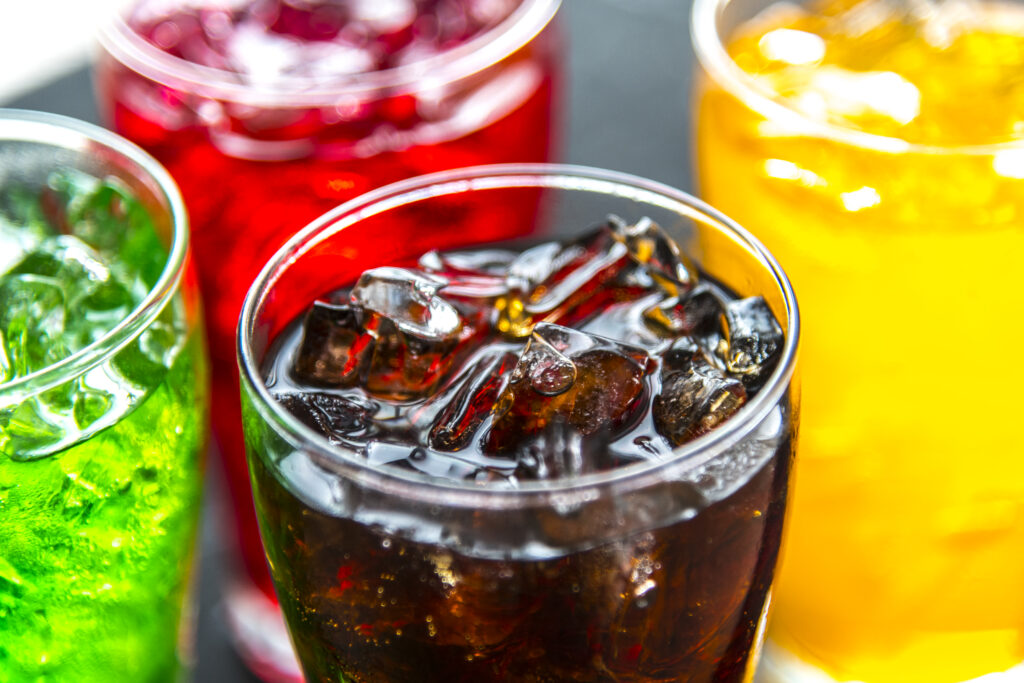
Liquid calories are sneaky—and deadly for your fat loss goals. They don’t fill you up, but they spike your blood sugar, overload your liver with fructose, and skyrocket insulin levels. This trifecta causes fat to be stored around your belly fast. Think about it: a single can of soda has 150+ calories and over 35 grams of sugar—and most people drink more than one per day.
Sugary drinks like soda, energy drinks, sweetened coffee, flavored waters, and fruit juices are among the top contributors to belly fat globally. Even fruit juice, which sounds healthy, is often just sugar in disguise, with all the fiber stripped out. Your body processes these liquid sugars rapidly, and because they don’t trigger satiety signals in the brain, you’re more likely to consume more calories overall.
If you’re serious about losing belly fat, these drinks need to go. No exceptions.
Healthy Hydration Alternatives
So, what should you drink instead? Hydration is still key for fat loss—it supports digestion, helps flush out toxins, and even slightly boosts metabolism. Here are some fat-loss-friendly beverages:
Water (plain or infused): Add lemon, cucumber, mint, or berries for a refreshing twist.
Herbal teas: Green tea, peppermint, chamomile, and dandelion tea all support digestion and fat metabolism.
Black coffee (in moderation): Avoid adding sugar or flavored creamers.
Sparkling water: Zero-calorie and bubbly, it can replace soda cravings.
Apple cider vinegar in water (1–2 tsp): Helps regulate blood sugar and reduce appetite.
Stick with beverages that hydrate without spiking insulin or adding calories. Your midsection will slim down much quicker without the liquid sugar sabotage.
8. Add Apple Cider Vinegar to Your Routine
How It Supports Belly Fat Reduction
Apple cider vinegar (ACV) might seem like a health fad, but science backs up its benefits when it comes to burning belly fat. ACV contains acetic acid, which helps suppress appetite, increase metabolism, and reduce insulin spikes after meals—all crucial for losing abdominal fat.
One Japanese study found that participants who consumed 1–2 tablespoons of apple cider vinegar daily over 12 weeks significantly reduced belly fat, waist circumference, and overall weight. ACV also improves digestion, reduces bloating, and promotes healthy gut bacteria—which play a massive role in fat storage and hunger regulation.
It’s not a miracle cure, but when combined with a healthy diet and exercise, ACV can give you a noticeable edge.

When and How to Take It Safely
It’s important to use apple cider vinegar properly—too much, or taking it the wrong way, can damage your teeth or irritate your throat and stomach. Here’s how to do it safely:
Dilute it: Mix 1–2 teaspoons of ACV in a large glass of water. Never drink it straight.
Timing matters: Take it before meals to help control blood sugar and appetite.
Optional add-ons: Add a pinch of cinnamon or a teaspoon of lemon juice for extra health perks.
Limit to 2 tablespoons per day: More is not better. Consistency over time is what works.
If you have acid reflux or sensitive digestion, start slow or consult a doctor. Always use raw, unfiltered ACV with “the mother” for maximum benefits.
9. Lift Weights to Build Lean Muscle
Strength Training vs. Cardio for Fat Loss
Cardio burns calories, yes—but strength training transforms your metabolism. Lifting weights builds lean muscle, and muscle is metabolically active tissue, meaning it burns more calories at rest. The more muscle you have, the higher your resting metabolic rate (RMR), which means more fat burned 24/7—even when you’re not working out.
Now let’s talk belly fat. Resistance training doesn’t just burn calories during the workout—it creates a prolonged afterburn effect (EPOC), where your body continues to burn fat long after you’ve finished. Plus, lifting weights improves insulin sensitivity, which helps your body manage blood sugar and reduce belly fat storage.
Combining strength training with HIIT is the holy grail for fat loss. While cardio trims some fat, weights shape your body and help keep fat off permanently.

Beginner Strength Training Plan
If you’re new to lifting, don’t worry. You don’t need to be a bodybuilder to benefit. Start with this simple, full-body routine 3 times a week:
Day 1 – Full Body Strength (repeat every other day):
Squats – 3 sets of 10 reps
Push-ups (modified if needed) – 3 sets of 10
Dumbbell rows – 3 sets of 12 (use water bottles if no weights)
Plank – 3 sets of 30 seconds
Glute bridges – 3 sets of 15
Focus on form and gradually increase weight or reps as you get stronger. Strength training isn’t just about muscles—it’s one of the most powerful ways to get lean and stay lean.
10. Increase Fiber Intake with Fat-Burning Foods
Soluble Fiber and Visceral Fat
Fiber is your secret weapon for melting stubborn belly fat—especially soluble fiber. Unlike insoluble fiber, soluble fiber absorbs water and forms a gel-like substance that slows digestion, stabilizes blood sugar, and keeps you full for hours. It also feeds your gut bacteria, which have been linked to improved fat metabolism.
But here’s the kicker: soluble fiber specifically helps reduce visceral fat, the dangerous type that wraps around your organs and increases risk for disease. One study found that a 10-gram increase in soluble fiber intake per day reduced visceral fat by nearly 4% over 5 years—even without other lifestyle changes.
It also helps regulate your bowel movements and reduces bloating—so your stomach looks and feels flatter.
Best High-Fiber Foods for Belly Fat Loss
Getting more fiber isn’t hard—you just need to choose the right foods. Here are some top options to include in your daily meals:
Avocados: Loaded with soluble fiber and healthy fats
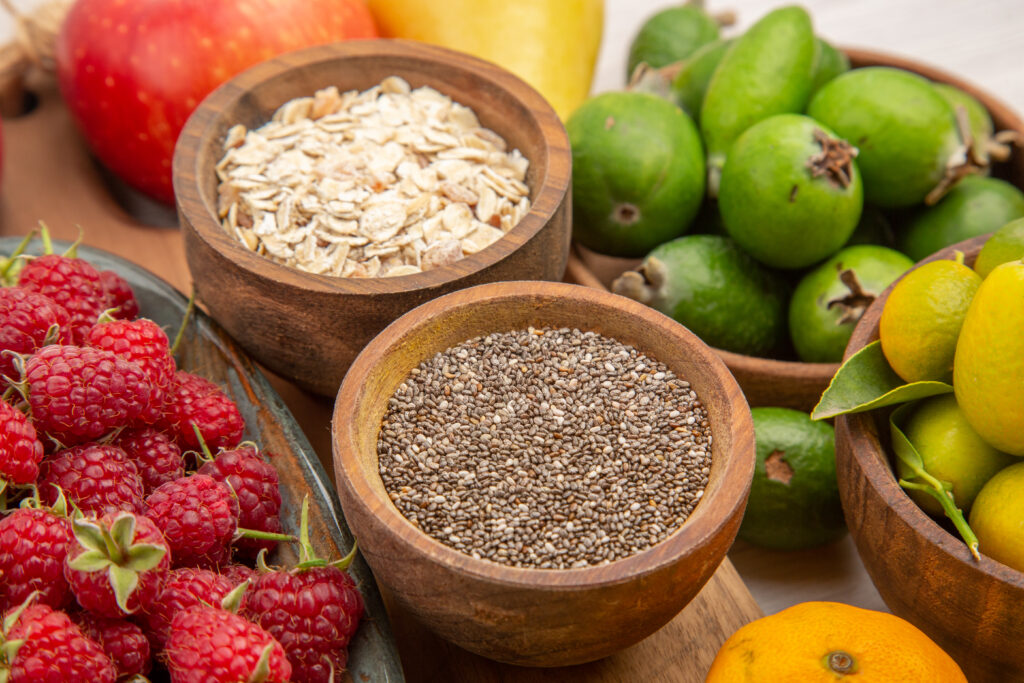
Chia seeds: 10 grams of fiber in just 2 tablespoons
Oats: Great for breakfast, rich in beta-glucan fiber
Lentils and beans: High in fiber, protein, and incredibly filling
Berries: Low in sugar, high in fiber
Brussels sprouts, broccoli, carrots: Cruciferous veggies that support digestion
Aim for 25–35 grams of total fiber daily, with at least 10–15 grams from soluble fiber. Drink plenty of water to help the fiber move through your system. Add fiber slowly if you’re not used to it, to avoid bloating.
11. Stay Consistent with a Fat-Loss Journal
Tracking Progress and Building Accountability
Want to know one of the most powerful (yet underrated) tools for burning belly fat? A journal. Seriously. Keeping a fat-loss journal helps you stay consistent, identify patterns, and hold yourself accountable. Whether you’re tracking calories, workouts, sleep, or stress, writing it down keeps your goals front and center.
Most people think they’re eating well and exercising enough—but the truth is often hidden in the details. That daily handful of chips, those “just a few sips” of soda, or missed workouts add up. When you document your journey, you’re less likely to make excuses and more likely to see where adjustments are needed.
A journal also helps with mindset. You can log how you feel, track your energy levels, and celebrate non-scale victories (like your jeans fitting better or improved sleep). These small wins fuel motivation, especially when the scale doesn’t move.
What to Include in Your Daily Log
Not sure what to write in your fat-loss journal? Keep it simple but consistent. Here’s a basic daily log structure:
Food intake: What you ate, when, portion sizes
Exercise: Type, duration, and intensity
Water intake: Aim for at least 2–3 liters daily
Sleep duration and quality
Mood and energy levels
Cravings or triggers: What made you snack or skip a workout?
Wins of the day: Something you’re proud of
You can use a physical notebook or apps like MyFitnessPal, Lose It, or even just your phone’s notes app. The point is to stay aware and intentional. Over time, this habit creates lasting change and faster fat loss.
12. Consider Natural Fat Burners – With Caution
Top Natural Supplements That May Help
Let’s be real—there’s no magic pill for belly fat. But some natural supplements can support your journey when combined with healthy eating and exercise. The keyword is support, not replace. Here are a few evidence-backed options:
Green tea extract (EGCG): Boosts metabolism and fat oxidation
Caffeine (in moderation): Increases energy, improves performance, and aids fat burning
Glucomannan: A fiber that expands in your stomach to promote fullness
CLA (Conjugated Linoleic Acid): May reduce body fat with consistent use
L-carnitine: Helps transport fat into cells to be burned for energy
Make sure to buy high-quality, reputable brands. And always check with your doctor, especially if you’re on medication or have underlying health conditions.
Avoiding Dangerous Quick-Fix Pills
The supplement industry is full of scams and risky shortcuts. Fat burners loaded with stimulants or unregulated ingredients can lead to anxiety, heart issues, insomnia, and more. Avoid anything promising “overnight fat loss,” “no exercise required,” or containing banned substances like ephedra or DMAA.
Here’s what to watch for:
Unrealistic claims
Lack of third-party testing
No ingredient transparency
Long lists of chemical compounds
Aggressive marketing tactics
Bottom line? Supplements can help, but they should never replace the fundamentals: proper nutrition, exercise, sleep, and stress management.
Conclusion
Losing belly fat isn’t easy—but it is possible with the right strategies. These 12 extreme belly fat weight loss tips aren’t just random hacks—they’re grounded in science and real-world results. From adjusting when you eat with intermittent fasting to crushing workouts with HIIT, and from cutting sugar to mastering your stress levels, each tip works like magic when applied consistently.
Remember, fat loss is a journey, not a sprint. You don’t need to implement all 12 tips at once. Start with a few that feel manageable, build momentum, and stack on the rest over time. With patience, consistency, and a willingness to track your progress, you’ll watch your belly shrink—and your confidence soar.
Now, go crush those goals and take back control of your body and health!
FAQs
1. What is the fastest way to lose belly fat?
The fastest way combines intermittent fasting, a low-sugar diet, regular HIIT workouts, and quality sleep. You can’t spot-reduce fat, but you can target belly fat through hormonal balance and consistent lifestyle changes.
2. Can I target belly fat without losing weight elsewhere?
Not exactly. You can’t spot-reduce fat, but some methods (like managing cortisol and increasing soluble fiber) tend to reduce visceral fat first, which sits in your abdomen. The whole body loses fat, but the belly often responds well to these tactics.
3. Are fat-burning supplements really effective?
Some natural fat burners can support fat loss when used with a proper diet and exercise routine. However, they won’t work in isolation. Always research ingredients and avoid dangerous quick-fix pills.
4. How long does it take to see results from belly fat loss?
Most people see noticeable changes within 2–4 weeks when they follow a consistent, science-backed routine. The more disciplined you are with nutrition, workouts, and sleep, the faster you’ll see results.
5. Is spot reduction possible through ab exercises?
No. Doing crunches or ab workouts alone won’t burn belly fat. You need a combination of full-body fat loss strategies like HIIT, strength training, and a clean diet to shrink your midsection.