
Introduction to Cancer-Fighting Foods
Cancer is one of the most feared diseases worldwide, and with good reason. It affects millions of people each year and is responsible for countless deaths. While genetics and environment play a big role in cancer development, science has shown that diet is one of the most powerful weapons we have to lower our risk. The cancer-fighting food choices we make every day can either fuel the growth of harmful cells or protect our bodies from cancer-fighting compounds.
To read more articles, visit https://healthywithayesha.com/
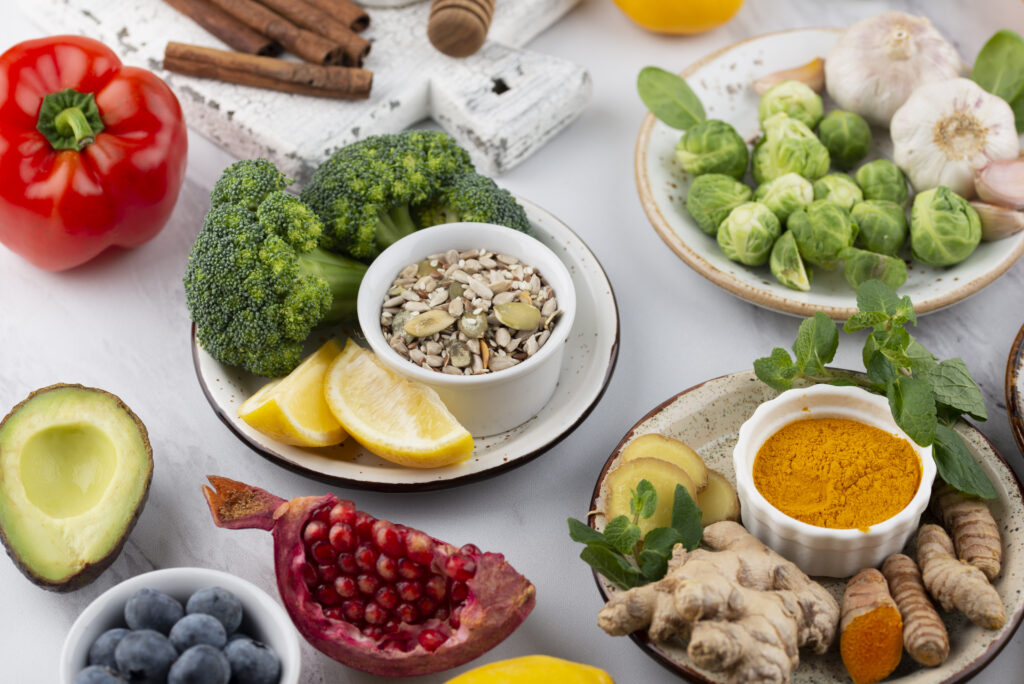
What Are Cancer-Fighting Foods and Why Do They Matter?
When we talk about “cancer-fighting foods,” we aren’t referring to miracle cures or quick fixes. Instead, we’re talking about whole, nutrient-rich foods that have been studied for their ability to prevent cancer, slow its growth, or strengthen the body’s natural defense systems. These foods are packed with antioxidants, phytochemicals, vitamins, minerals, and anti-inflammatory compounds that can keep our cells healthy and reduce damage caused by free radicals.
How diet plays a role in cancer prevention.
Researchers worldwide have confirmed through various studies that People who eat diets rich in fruits, vegetables, whole grains, nuts, and seeds tend to have a lower risk of developing certain types of cancer. That’s because these foods help reduce chronic inflammation, detoxify harmful substances, and protect DNA from damage.
So, instead of relying solely on medicine after cancer develops, wouldn’t it be smarter to build a shield of protection before it starts? Think of your daily meals as an investment in your long-term health. By choosing the right foods, you are giving your body the best chance to stay strong against one of the deadliest diseases of our time. Let’s dive into 10 science-backed foods that may reduce your cancer risk and help you live a healthier, longer life.
1. Cruciferous Vegetables – Nature’s Detoxifiers, cancer-fighting food
If you’ve ever had broccoli, cauliflower, or Brussels sprouts, you’ve eaten from one of the most powerful cancer-fighting food families: cruciferous vegetables. glucosinolates a sulfur sulfur-containing compounds in which vegetables are packed. When we chew and digest them, they break down into active compounds like indoles and isothiocyanates, which have been shown to stop the growth of cancer cells and even encourage them to self-destruct—a process called apoptosis.
One of the star compounds found in cruciferous vegetables is sulforaphane. Researchers have discovered that sulforaphane may protect against cancers such as breast, prostate, lung, and colon cancer. It works by reducing inflammation, boosting the body’s detoxification enzymes, and protecting DNA from mutations. Studies also suggest that sulforaphane can target cancer stem cells, which are believed to drive tumor growth and recurrence.
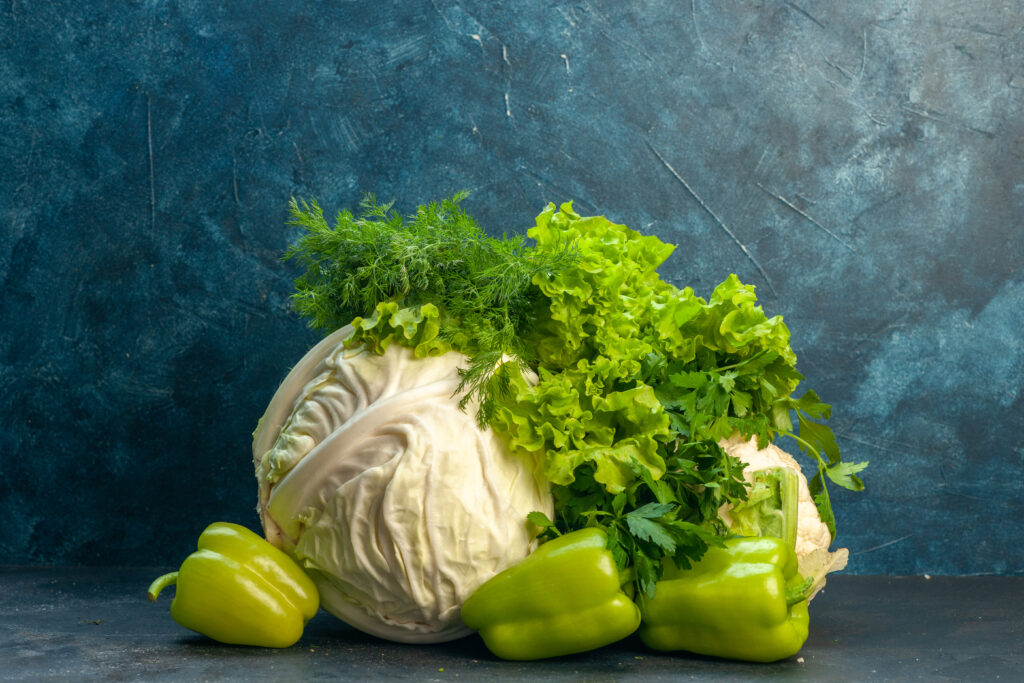
Best ways to include cruciferous vegetables in meals.
Eating cruciferous vegetables isn’t just about cancer-fighting food—it’s also about keeping your overall health in check. These veggies are high in fiber, which helps keep your digestive system clean and reduces the risk of colon cancer. They’re also rich in vitamins C, K, and folate, making them a nutrient-dense choice for any meal.
The best way to enjoy these vegetables is to lightly steam, sauté, or eat them raw in salads. Overcooking can destroy some of their powerful compounds, so keep the cooking time short to preserve their cancer-fighting properties. Whether you toss broccoli into your stir-fry, roast Brussels sprouts in the oven, or enjoy a kale salad, adding cruciferous vegetables to your diet is one of the smartest moves you can make for long-term cancer prevention.
2. Berries – Tiny Fruits with Big Impact
Don’t let their size fool you—berries are among the most potent cancer-fighting foods available. Strawberries, blueberries, raspberries, and blackberries are loaded with antioxidants and phytochemicals that help neutralize free radicals in the body. Free radicals are unstable molecules that can damage DNA and increase the risk of cancer.
How anthocyanins help fight cancer.
One of the most powerful compounds in berries is anthocyanins, the pigments that give berries their vibrant red, blue, and purple colors. These compounds have been investigated for their potential to reduce inflammation, prevent tumor formation, and slow the progression of cancer cells. For example, research shows that
- Blueberries may help slow down the progression of breast cancer,
- black raspberries have been linked to reduced risks of colon and esophageal cancers.
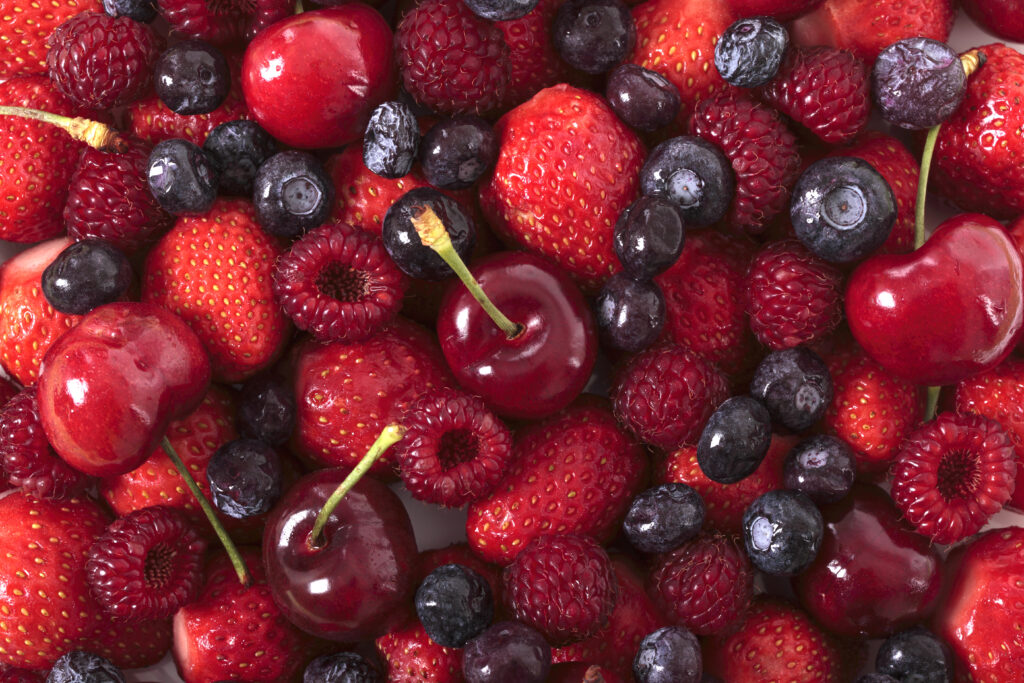
Best types of berries for cancer prevention.
Berries are also rich in vitamin C, fiber, and ellagic acid, another cancer-fighting compound that helps deactivate harmful substances in the body. The combination of these nutrients makes berries a powerhouse food for cancer prevention and overall health.
The beauty of berries is that they’re incredibly easy to include in your diet. You can toss them into smoothies, sprinkle them over oatmeal, add them to salads, or simply enjoy them as a snack. Frozen berries are just as beneficial as fresh ones since they retain most of their nutrients. By eating a variety of berries regularly, you’re giving your body a constant supply of natural defense compounds that may protect against cancer.
3. Garlic and Onions – Sulfur Compounds for Immunity
Garlic and onions have been used for centuries not only to add flavor to food but also to promote health. Modern science confirms what ancient cultures already suspected—these pungent foods contain powerful compounds that help fight cancer.
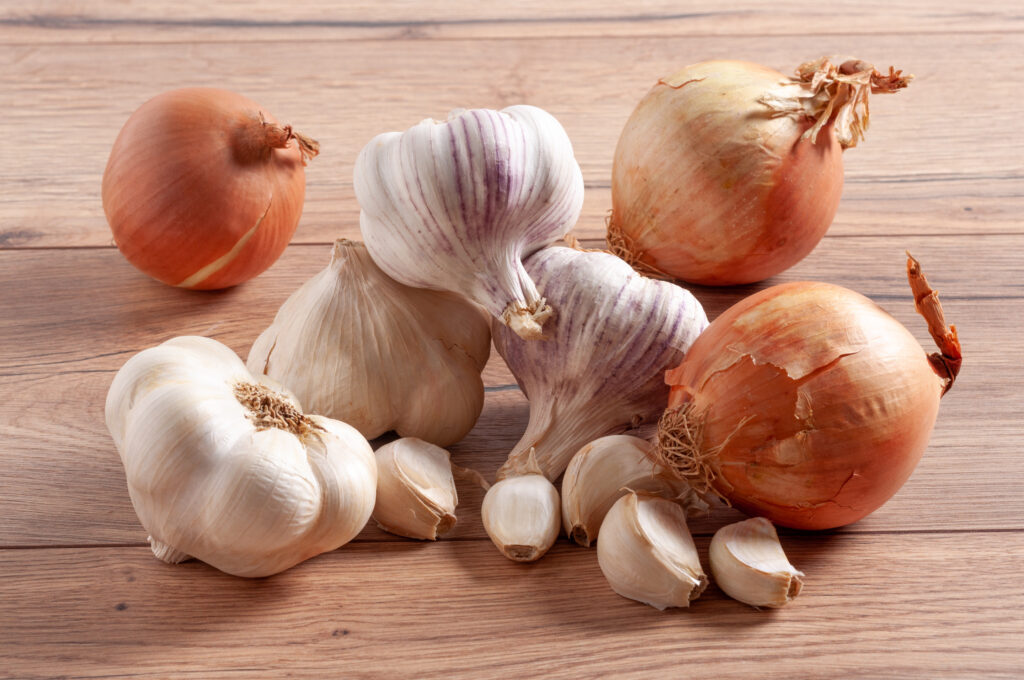
Role of allicin in cancer prevention.
The main cancer-fighting compound in garlic is allicin, which forms when garlic is chopped or crushed. Allicin has been shown to reduce the growth of cancer cells and stimulate the immune system to fight off disease. Studies suggest that regular garlic consumption may lower the risk of cancers such as stomach, colorectal, and prostate.
Onions, shallots, and leeks also belong to the same family as garlic and contain similar sulfur compounds with anti-cancer effects. These compounds help block carcinogens from entering cells, reduce inflammation, and encourage cancer cells to die naturally.
Cooking vs raw garlic for maximum benefits.
One interesting thing about garlic is that how you prepare it makes a difference. To get the most benefit, chop or crush fresh garlic and let it sit for about 10 minutes before cooking. This allows the allicin to fully develop. While cooking may reduce some of its potency, garlic still provides health benefits when added to soups, stir-fries, or roasted dishes. Eating raw garlic in small amounts, such as in salad dressings or dips, can give you an even stronger boost.
Including garlic and onions in your daily meals is one of the simplest and tastiest ways to build a cancer-fighting diet. They’re inexpensive, widely available, and incredibly versatile in cooking.
4. Green Tea – The Power of Catechins
EGCG and its role in fighting cancer cells.
Green tea is more than just a calming drink—it’s a powerful cancer-fighting beverage backed by extensive scientific research. The secret lies in its high concentration of catechins, especially epigallocatechin gallate (EGCG). These plant-based compounds act as antioxidants that protect cells from DNA damage, reduce inflammation, and slow the growth of cancer cells.
Numerous studies have shown that green tea consumption may lower the risk of several cancers, including breast, prostate, liver, and colorectal cancer. EGCG has been found to inhibit tumor growth, block the spread of cancer cells, and even interfere with angiogenesis, the process by which tumors create new blood vessels to fuel their growth.
Drinking green tea daily may also improve overall immune function, giving the body extra protection against diseases. Unlike black tea, which goes through fermentation, green tea leaves are steamed, helping preserve their powerful compounds.
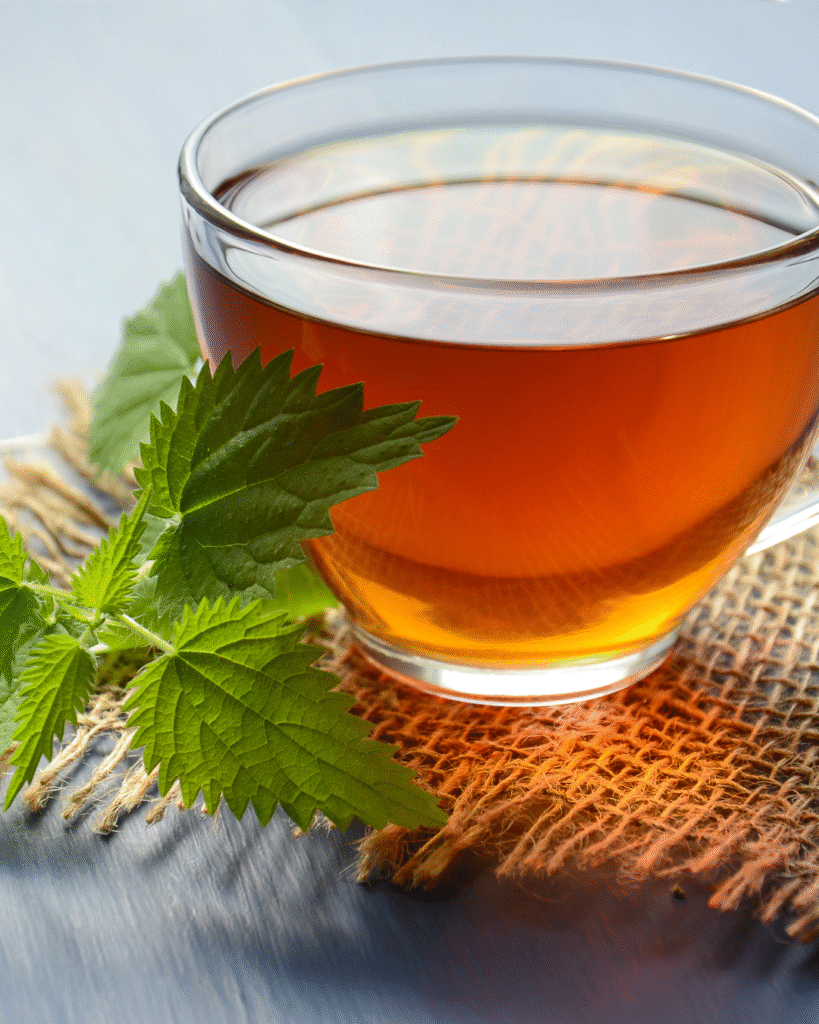
Best ways to consume green tea for health benefits.
For best results, aim for 2–3 cups of green tea each day. Avoid adding too much sugar or sweeteners, as that reduces its health benefits. If you don’t enjoy the taste, try matcha, a powdered form of green tea that contains an even higher concentration of antioxidants.
Incorporating green tea into your routine is a small habit with big rewards. It not only helps protect against cancer but also supports heart health, boosts metabolism, and improves brain function.
5. Tomatoes – Lycopene for Prostate and Beyond
Lycopene and cancer-fighting benefits.
When it comes to vibrant, cancer-fighting foods, tomatoes are at the top of the list. Their rich red color originates from lycopene, a powerful antioxidant that has been extensively studied for its potential role in reducing the risk of certain cancers, particularly prostate cancer. Lycopene helps protect cells from oxidative damage and may slow the growth of tumors. Unlike many nutrients that are best consumed raw, lycopene becomes more bioavailable when tomatoes are cooked, making tomato-based sauces, soups, and pastes especially beneficial.
Research has shown that men who consume tomato products regularly have a significantly lower risk of developing prostate cancer. But the benefits don’t stop there. Lycopene has reduced the risk of lung, stomach, and breast cancers. Additionally, tomatoes are rich in vitamin C, potassium, and folate, all of which support overall health.
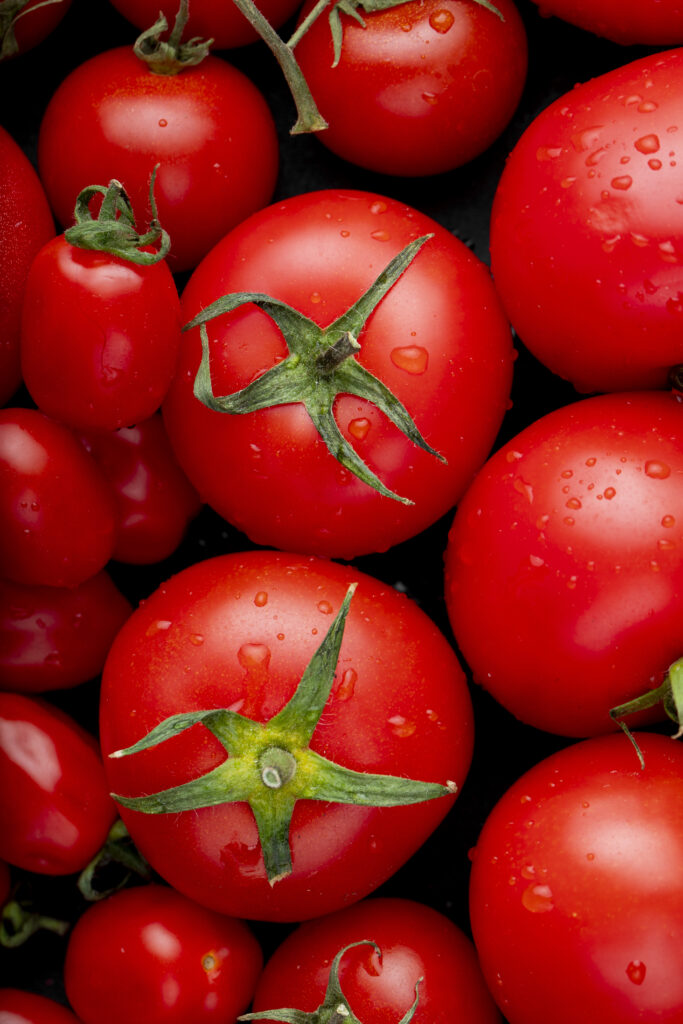
Cooking tomatoes vs raw.
If you’re looking to maximize the cancer-fighting power of tomatoes, try incorporating them into your meals in different forms. A simple tomato salad provides vitamin C, while a hearty marinara sauce delivers a concentrated dose of lycopene. Pairing tomatoes with a healthy fat, like olive oil or avocado, helps the body absorb lycopene more effectively. Whether eaten raw or cooked, tomatoes are an easy and delicious addition to a cancer-preventive diet.
6. Turmeric – The Golden Spice of Life
Curcumin’s anti-inflammatory and cancer-preventive role.
Known as the “golden spice,” turmeric has gained global recognition for its powerful health benefits, especially its ability to fight inflammation and protect against cancer. The key compound in turmeric is curcumin, a bioactive substance with strong antioxidant and anti-inflammatory properties. Chronic inflammation is a major driver of cancer development, and curcumin works to block inflammatory pathways, reducing the risk of tumor growth.
Numerous studies have highlighted curcumin’s role in suppressing cancer cell proliferation, preventing angiogenesis (the formation of blood vessels that feed tumors), and inducing apoptosis (programmed cell death of cancer cells). It has shown potential against several cancers, including colorectal, breast, prostate, and pancreatic cancers.
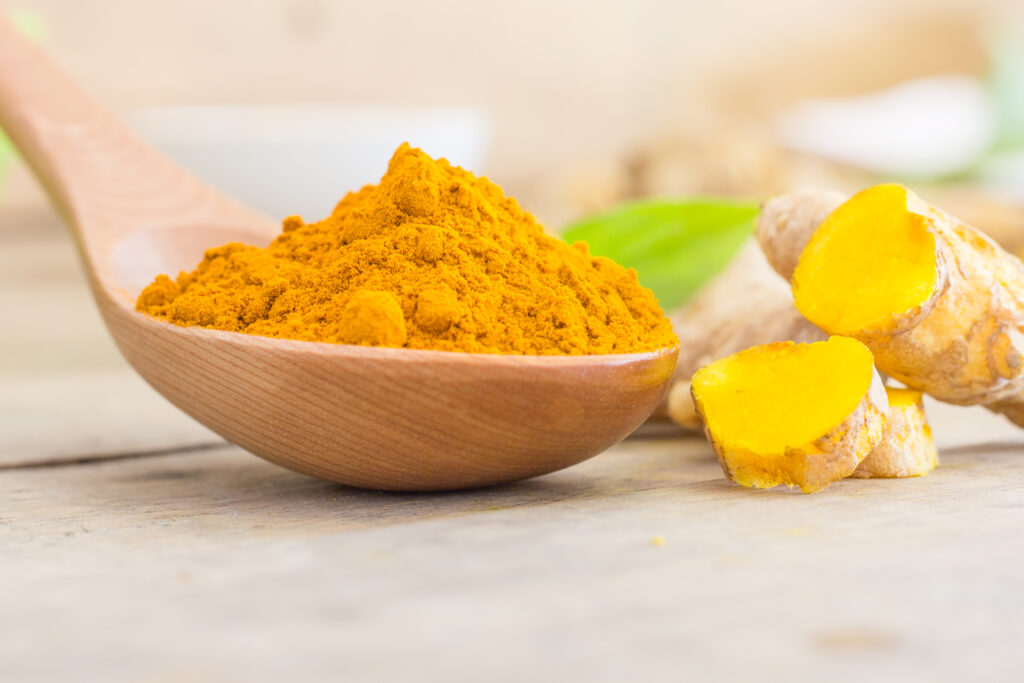
Best ways to consume turmeric for absorption.
However, curcumin does not absorb easily into the body alone. That’s why combining turmeric with black pepper is essential—piperine, the compound in pepper, increases curcumin absorption by up to 2,000%. If we cook turmeric with healthy fats like coconut oil or olive oil also boosts its effectiveness. Turmeric can easily be added to curries, soups, roasted vegetables, and even smoothies. For those looking for an extra boost, golden milk (a mix of turmeric, milk, and spices) is a popular way to enjoy its health benefits. By making turmeric a staple in your kitchen, you’re not only enhancing flavor but also giving your body a powerful defense against cancer.
7. Leafy Greens – Nutrient-Rich Cancer Shields
Leafy greens such as spinach, kale, collard greens, and Swiss chard are some of the most nutrient-dense foods on the planet. They’re packed with vitamins, minerals, antioxidants, and phytochemicals that work together to strengthen the body’s defenses against cancer.
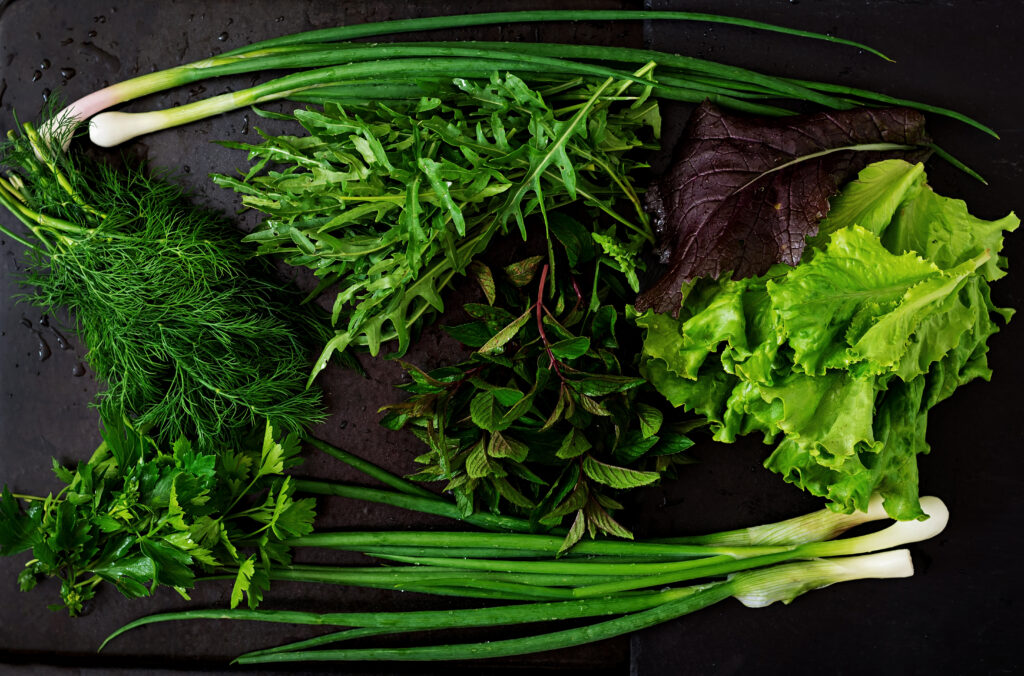
Chlorophyll and antioxidants for protection.
One of their key compounds is chlorophyll, which may help block carcinogens from entering cells and reduce oxidative stress. Leafy greens are rich in fiber, and they also support digestive health and lower the risk of colorectal cancer. They contain carotenoids like lutein and zeaxanthin, which protect cells from free radical damage and may slow the growth of cancer cells. In addition, leafy greens provide folate, a B vitamin essential for DNA repair and cell division, reducing the chances of mutations that can lead to cancer.
Recipes and ways to eat more leafy greens.
If you feel bored with eating green leafy vegetables regularly. You can blend spinach into smoothies, make kale chips, toss arugula into salads, or add collard greens to soups and stews. Light steaming helps preserve their nutrients, but they can also be enjoyed raw for maximum vitamin content. Since leafy greens are low in calories and high in nutrients, they make a perfect base for any meal. By adding more of these “nutrient shields” to your diet, you’re equipping your body with the tools it needs to resist cancer at the cellular level.
8. Nuts and Seeds – Small but Mighty
Omega-3s and antioxidants.
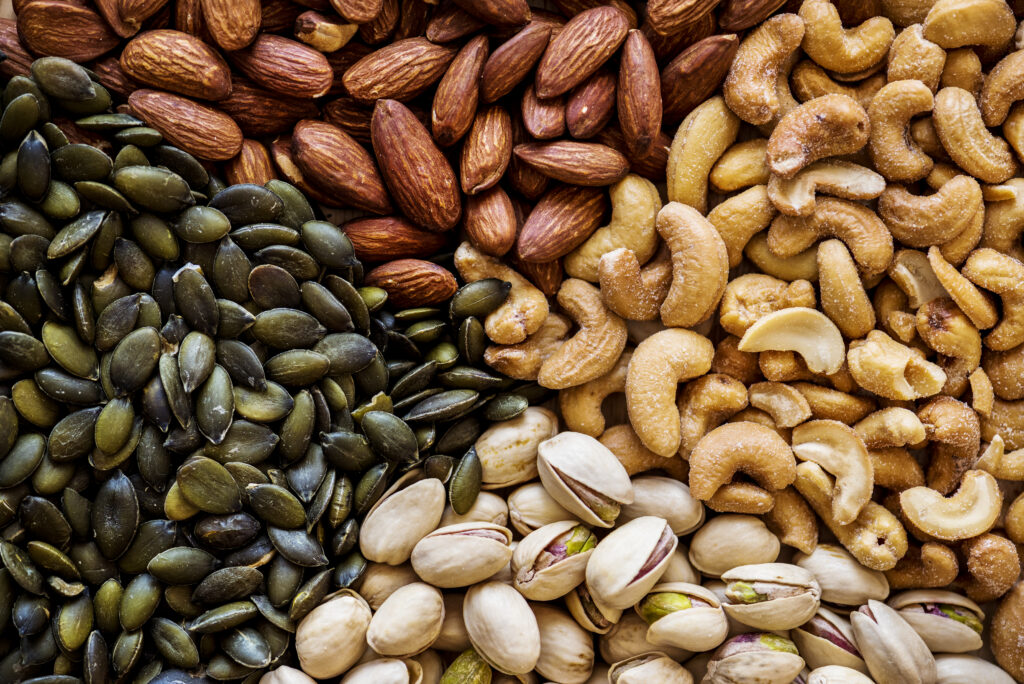
Though small in size, nuts and seeds pack a powerful punch when it comes to cancer prevention. They are rich in healthy fats, protein, fiber, vitamins, and antioxidants. Walnuts, in particular, contain compounds like ellagic acid and polyphenols that help reduce inflammation and oxidative stress, both of which are linked to cancer development. Flaxseeds and chia seeds are loaded with omega-3 fatty acids, which have been shown to reduce the risk of breast and colon cancers.
One fascinating area of research is how nuts and seeds affect hormone-related cancers. Flaxseeds contain lignans, plant compounds that mimic estrogen in the body, potentially reducing the risk of breast cancer by balancing hormone levels. Similarly, sesame seeds contain phytoestrogens that may also play a role in hormone regulation.
How they support long-term cancer prevention.
The beauty of nuts and seeds is that they’re easy to incorporate into everyday meals. Sprinkle flaxseeds on your morning oatmeal, add walnuts to a salad, or snack on a handful of almonds for a nutrient-dense energy boost. Nut butters, like almond or peanut butter, also provide many of the same benefits, though portion control is important since they are calorie-dense. By including a variety of nuts and seeds in your diet, you’re giving your body a mix of protective compounds that support long-term health and may reduce your cancer risk significantly.
9. Whole Grains – Fiber and Phytochemicals
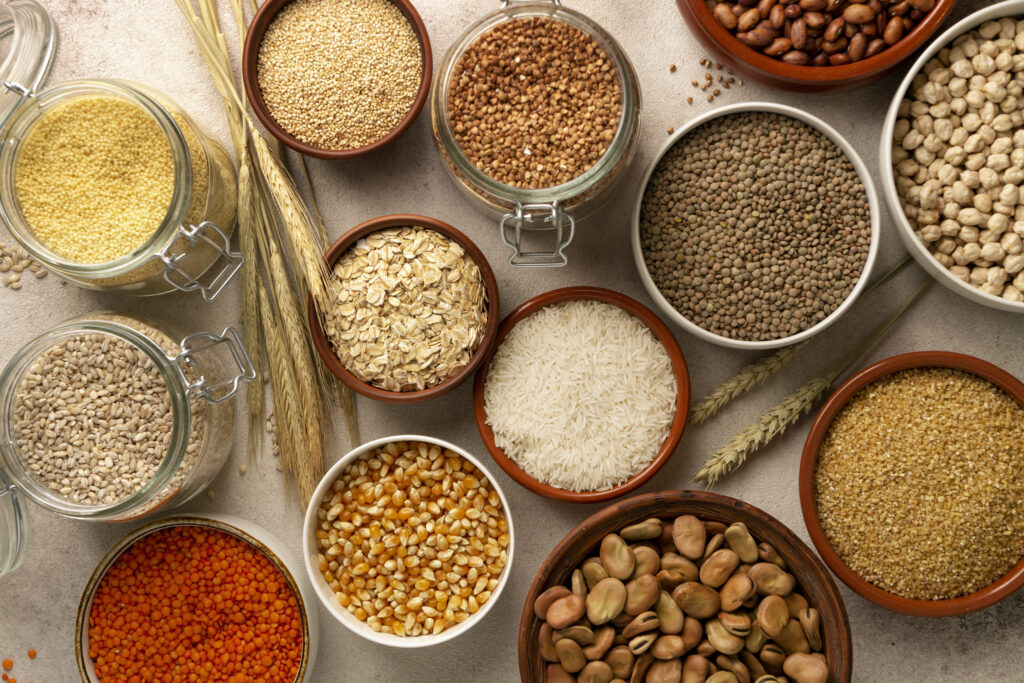
Whole grains like brown rice, oats, quinoa, and barley are not only filling but also essential for cancer prevention. Unlike refined grains, which have been stripped of their nutrients, whole grains retain their bran, germ, and endosperm—making them rich in fiber, vitamins, minerals, and phytochemicals.
Role of fiber in reducing cancer risk.
The fiber in whole grains helps regulate the digestive system and lowers the risk of colorectal cancer by speeding up the elimination of waste and harmful substances. Whole grains are also a source of antioxidants, including vitamin E and selenium, which protect cells from damage. Phytochemicals like lignans and saponins found in whole grains may further suppress tumor growth and reduce inflammation.
Studies have shown that people who eat more whole grains have a reduced risk of gastrointestinal cancers. For example, the American Institute for Cancer Research recommends making whole grains a daily part of meals to support overall cancer prevention.
Comparing whole grains vs refined grains.
Switching to whole grains doesn’t require a complete overhaul of your diet. You can replace white rice with brown rice, choose whole-grain bread over white bread, or enjoy oatmeal instead of sugary cereals. Quinoa and barley make great additions to salads, soups, and stir-fries.
By making simple swaps and incorporating more whole grains, you’re fueling your body with cancer-fighting nutrients while also improving heart health and maintaining steady energy levels.
10. Mushrooms – Immunity Boosters
Types of mushrooms with the strongest effects.
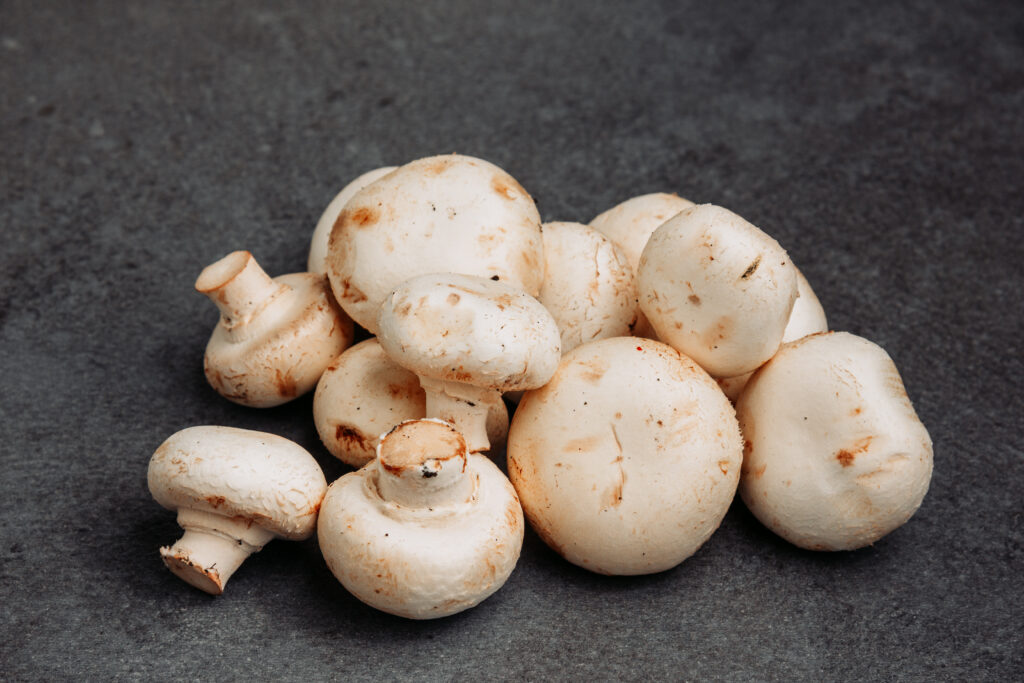
Because of their therapeutic qualities, mushrooms have been utilized for centuries in traditional medicine, especially in Asian cultures. Today, modern science confirms that mushrooms are more than just a tasty addition to meals—they are powerful allies in cancer prevention. Certain varieties, such as shiitake, maitake, reishi, and turkey tail mushrooms, contain bioactive compounds like beta-glucans, polysaccharides, and triterpenoids, which help boost the immune system and may directly inhibit tumor growth.
Beta-glucans, in particular, have been studied for their ability to stimulate immune cells such as macrophages and natural killer cells, which are essential in identifying and destroying cancer cells. Mushrooms also possess antioxidants like ergothioneine, which protects cells from oxidative stress and DNA damage.
Adding mushrooms to the daily diet.
Regular consumption of mushrooms has been linked in clinical studies to a lower risk of breast and prostate cancer. For example, research from China suggests that women who ate mushrooms daily had a significantly lower chance of developing breast cancer compared to those who rarely consumed them.
Mushrooms are versatile and can be added to soups, stir-fries, pasta, or even grilled as a meat alternative. To maximize their cancer-fighting potential, it’s best to cook mushrooms lightly rather than overcooking them, which may reduce some beneficial compounds. Whether you enjoy them in miso soup, a veggie stir-fry, or as a topping on pizza, mushrooms are a simple way to boost immunity and provide a natural defense against cancer.
11. Citrus Fruits – Vitamin C and Flavonoids
Antioxidant effects on free radicals.
Oranges, lemons, limes, and grapefruits are some of the most refreshing cancer-fighting foods you can enjoy daily. Citrus fruits are loaded with vitamin C, one of the most powerful antioxidants known to fight free radicals and protect DNA from damage. But it doesn’t stop there—they also contain flavonoids, limonoids, and carotenoids, plant compounds that have been studied for their anti-cancer effects.
Vitamin C supports the immune system, enhances iron absorption, and helps the body repair tissues, all of which play a role in keeping cells healthy. Meanwhile, flavonoids and limonoids in citrus fruits may block carcinogens from activating in the body and slow the growth of cancer cells. Some studies suggest that regular citrus consumption lowers the risk of cancers of the stomach, mouth, throat, and esophagus.

Best time and way to eat citrus fruits.
The best part about citrus fruits is that they’re easy to incorporate into your diet. You can enjoy a glass of freshly squeezed orange juice, add lemon slices to your water, or snack on grapefruit segments. Even the zest of citrus peels is rich in beneficial compounds and can be grated into salads, baked goods, or teas.
Citrus fruits are a great snack because they are also hydrating and low in calories. By adding more citrus to your diet, you’re not only boosting your immune defenses but also building a strong shield against cancer.
Want to know why avocados are considered a superfood? Discover the 12 essential nutrients packed into every bite.
12. Legumes – Plant Protein with Protective Power
Isoflavones and fiber benefits.
Legumes, which include beans, lentils, chickpeas, and peas, are some of the most underrated cancer-fighting foods. They’re rich in fiber, plant-based protein, vitamins, minerals, and bioactive compounds that work together to protect against disease. One of their strongest weapons is fiber, which supports gut health, promotes regular digestion, and helps reduce the risk of colorectal cancer.
Legumes are also high in isoflavones and saponins, compounds that may help regulate hormones, reduce inflammation, and prevent cancer cells from multiplying. Isoflavones, found in soybeans in particular, have been linked to reduced risks of hormone-related cancers such as breast and prostate cancers.
Ways to include legumes in meals.
Research has shown that populations consuming diets rich in legumes tend to have lower cancer rates. For example, studies suggest that women who regularly eat soy-based foods may have a lower risk of breast cancer, especially when consumed from a young age.
Legumes are incredibly versatile—you can make lentil soups, chickpea salads, black bean tacos, or hummus spreads. They’re also budget-friendly and a great protein source for those following vegetarian or vegan diets. By making legumes a regular part of your meals, you’re nourishing your body with cancer-fighting nutrients while also supporting long-term heart and digestive health.
13. Dark Chocolate – A Sweet Cancer Fighter
Moderation and healthy consumption.

Yes, you read that right—dark chocolate can be part of a cancer-fighting food. The key lies in cocoa, which is rich in flavonoids, antioxidants that help protect cells from oxidative stress and inflammation. Unlike sugary milk chocolate, dark chocolate with at least 70% cocoa offers a powerful dose of beneficial compounds without the excess sugar and fat.
Flavonoids in dark chocolate may help inhibit cancer cell growth and improve blood flow, which supports overall health. Studies suggest that cocoa’s antioxidants may also reduce the risk of colon and breast cancers by preventing DNA mutations and supporting healthy cell function.
In addition to its anti-cancer potential, dark chocolate has been linked to improved heart health, better brain function, and reduced stress levels—all of which contribute to overall well-being. The key, however, is moderation. Eating a small piece of dark chocolate daily (about one ounce) is enough to enjoy the benefits without overloading on calories.
When choosing dark chocolate, look for high-quality brands with minimal added sugar and at least 70% cocoa content. You can enjoy it as a dessert, melt it into oatmeal, or pair it with berries and nuts for a nutrient-packed snack. With dark chocolate, you can satisfy your sweet tooth while giving your body a boost of cancer-fighting compounds.
Conclusion: Building a Cancer-Fighting Diet
Cancer is a complex disease with many risk factors, but one thing is clear:
- Our diet plays a critical role in prevention. By making mindful choices and incorporating nutrient-rich, cancer-fighting foods into your daily meals, you can reduce your risk and strengthen your body’s natural defenses.
- From cruciferous vegetables and leafy greens to turmeric, berries, nuts, and even dark chocolate, each of these foods provides unique compounds that work together to protect cells, reduce inflammation, and prevent tumor growth. The key is balance and variety—no single food can prevent cancer on its own, but when combined as part of a healthy lifestyle, they create a powerful shield against disease.
Think of your plate as your medicine cabinet. Every time you choose whole, colorful, plant-based foods over processed ones, you’re investing in your long-term health. Alongside regular exercise, stress management, and avoiding harmful habits like smoking, a cancer-fighting diet is one of the best tools we have for prevention.
Start small by adding a few of these foods into your meals each week, then gradually build up until they become a natural part of your diet. Over time, these choices can make a huge difference in your health and well-being.
If you’re trying to adopt a healthier eating plan, don’t forget to look at a high-protein, anti-inflammatory meal plan
FAQs
1. What is the best single food to prevent cancer?
There isn’t one magic food, but cruciferous vegetables like broccoli and kale are among the most powerful.
2. How often should I eat cancer-fighting foods?
Aim to include them daily. Consistency is key for long-term protection.
3. Can diet alone prevent cancer completely?
No, but it can significantly lower your risk when combined with a healthy lifestyle.
4. Are supplements as effective as whole foods?
Whole foods are best because they contain a wide range of nutrients that work together synergistically.
5. What cooking methods preserve nutrients best?
Steaming, light sautéing, and eating raw when possible help preserve cancer-fighting compounds.