Introduction to 12 powerful foods proven to lower cholesterol naturally
Why cholesterol matters
Discover 12 powerful foods proven to lower cholesterol naturally. Learn how to reduce LDL, avoid high-cholesterol foods, and start a heart-healthy diet today.
Cholesterol is one of those things we do not pay attention to until it becomes a problem. However, here is the reality: cholesterol plays a massive role in your heart health, energy levels, and even how your body digests food. Most people only start searching for how to reduce cholesterol after a scary blood test result or a warning from their doctor. The good news? You can take control naturally—without relying on medications right away—by adjusting your diet and lifestyle.
To read more articles, visit https://healthywithayesha.com/
High cholesterol typically creeps up because of everyday habits:
- foods high in cholesterol
- processed snacks
- too much sugar
- too little fiber
- and not enough movement.
But just as diet contributes to high cholesterol, it can also be your strongest tool for lowering it. That’s why a strategic cholesterol diet focusing on whole, nutrient-dense foods is essential.
In this article, you’ll discover 12 powerful foods proven to lower cholesterol naturally, backed by science, and easy to add to your daily meals. If you’re searching for how to reduce cholesterol without medications or even how to reduce cholesterol in 7 days, this guide gives you a strong starting point.
Get ready to build a low-cholesterol diet that actually tastes good, keeps you full, and protects your heart for the long run.
Understanding Cholesterol
Although cholesterol has a negative connotation, your body actually requires it. It’s essential for hormone production, cell membrane formation, and vitamin D production. The problem begins when cholesterol levels become unbalanced—specifically when LDL (low-density lipoprotein), also known as “bad cholesterol,” becomes too high. LDL sticks to the walls of your arteries like grease in a kitchen pipe, gradually narrowing the passageway and making your heart work harder. On the other hand, HDL (high-density lipoprotein), or “good cholesterol,” acts like a cleanup crew, carrying excess cholesterol away from the arteries and back to the liver.
What causes high cholesterol
So, what causes high cholesterol? Several factors can contribute. Eating high-cholesterol foods such as fried foods, red meats, butter, and creamy sauces is one major reason. However, it is not just dietary cholesterol—foods high in saturated and trans fats trigger your liver to produce even more cholesterol than you consume. Combine that with lack of exercise, stress, genetics, age, smoking, or underlying conditions, and cholesterol levels can climb quickly. That is why switching to a low-cholesterol diet becomes a powerful tool for healing your heart.
If you’re trying to adopt a healthier eating plan, don’t forget to look at a high-protein, anti-inflammatory meal plan
Foods high in cholesterol vs foods that lower cholesterol
Understanding the difference between foods high in cholesterol and foods to lower cholesterol is crucial. It is not about completely avoiding fats—it’s about choosing the right ones.
Healthy fats from nuts, olive oil, avocados, fish, and seeds help decrease LDL while increasing HDL. Foods rich in fiber—especially soluble fiber—work like sponges, soaking up excess cholesterol and eliminating it naturally. Once you know what your body needs, you can design a cholesterol diet that supports your energy, heart, and long-term health.
Before diving into the 12 powerful foods that lower cholesterol, it helps to understand one more important thing: your diet can control up to 80% of your cholesterol levels. Yes, genetics matter, but your daily food choices matter even more. That means every meal becomes an opportunity to heal, restore, and strengthen your cardiovascular health.
How to Reduce Cholesterol Naturally
Lowering cholesterol doesn’t have to feel overwhelming or complicated. In fact, some of the most effective strategies rely on simple, consistent lifestyle changes rather than drastic measures. When people search for how to reduce cholesterol, they often expect a long list of restrictions or medical procedures. But the truth is, your body responds quickly to positive habits—especially when paired with the right foods. Natural cholesterol reduction focuses on three major areas:
- diet
- movement
- daily behaviors that support heart health.
“Looking for more meal ideas? Check out our guide on a healthy lifestyle Diet.”
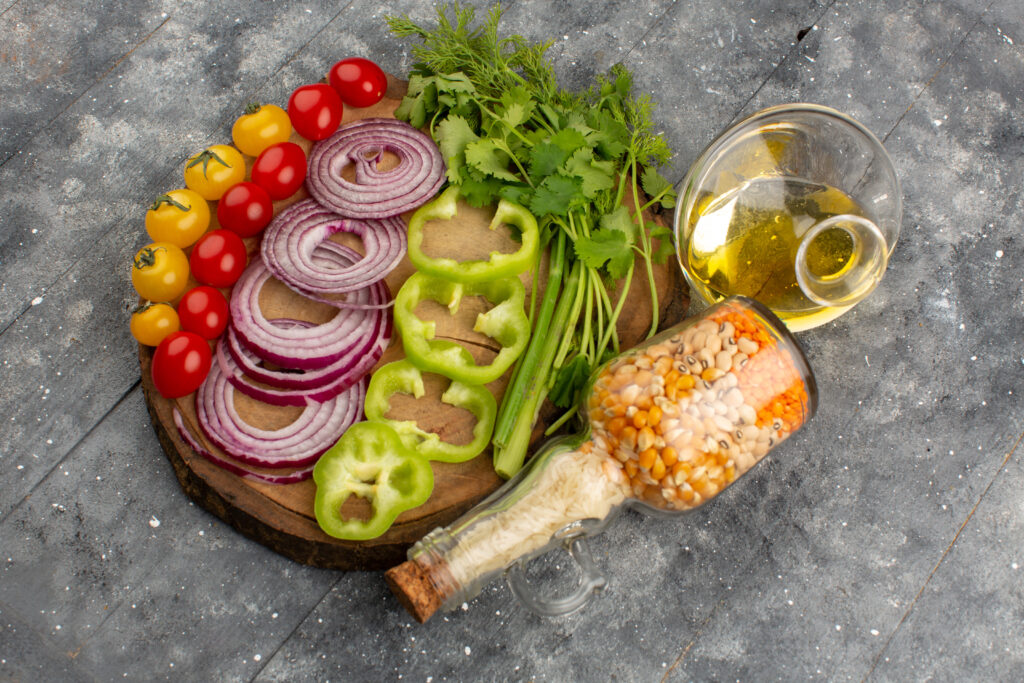
One of the most powerful steps is shifting to a low-cholesterol diet that emphasizes fiber-rich foods, healthy fats, lean proteins, whole grains, and plenty of fruits and vegetables. When you replace saturated fats from red meat, butter, cheese, and processed snacks with heart-healthy fats from avocados, olive oil, nuts, and fatty fish, your LDL levels begin to drop naturally.
Soluble fiber—from oats, beans, apples, lentils, and barley—acts like a magnet, binding to cholesterol particles and removing them from your body before they can cause harm. These small food swaps build the foundation for sustainable, long-term change.
Exercise is another essential piece of the puzzle. You don’t need extreme workouts or gym memberships—just 30 minutes of walking a day can significantly raise your HDL (good cholesterol) while lowering your LDL (bad cholesterol). HDL acts like a cleanup crew, carrying harmful cholesterol away from your arteries. Think of it as your body’s natural way of decluttering your bloodstream.
“The more you move, the cleaner your arteries stay.”
If you’re wondering how to reduce cholesterol without medications, habits like managing stress, avoiding smoking, and maintaining a healthy weight play a huge role. Chronic stress releases hormones that increase cholesterol production, while smoking damages artery walls, making it easier for LDL to stick and accumulate.
Even small improvements—like meditating for 5 minutes daily or replacing one sugary drink with water—can shift your cholesterol levels in a positive direction.
Many people also ask how to reduce cholesterol in 7 days. While you won’t reverse years of buildup in a single week, you can see measurable improvements within that time by
- cutting out fried foods
- increasing soluble fiber
- drinking green tea
- switching to whole grains
- incorporating at least one cholesterol-lowering food into every meal.
Seven days is enough to jumpstart progress, boost energy levels, reduce inflammation, and set you on a healthier path.
Now, let’s dive into the heart of this guide—12 powerful foods proven to lower cholesterol naturally and how to add them to your daily routine for maximum results.
12 Powerful Foods That Lower Cholesterol Naturally
1. Oats
Oats are among the simplest, most accessible, and most effective foods for lowering cholesterol. What makes oats so powerful is their high content of soluble fiber, specifically beta-glucan. This type of fiber forms a thick, gel-like substance in your digestive tract that binds to cholesterol particles and carries them out of your body before they enter the bloodstream. Think of beta-glucan as a natural sponge that absorbs excess LDL cholesterol and flushes it away.
Eating just one bowl of oatmeal each morning can significantly lower LDL levels within a few weeks, making oats a great first step for anyone looking to reduce cholesterol naturally.
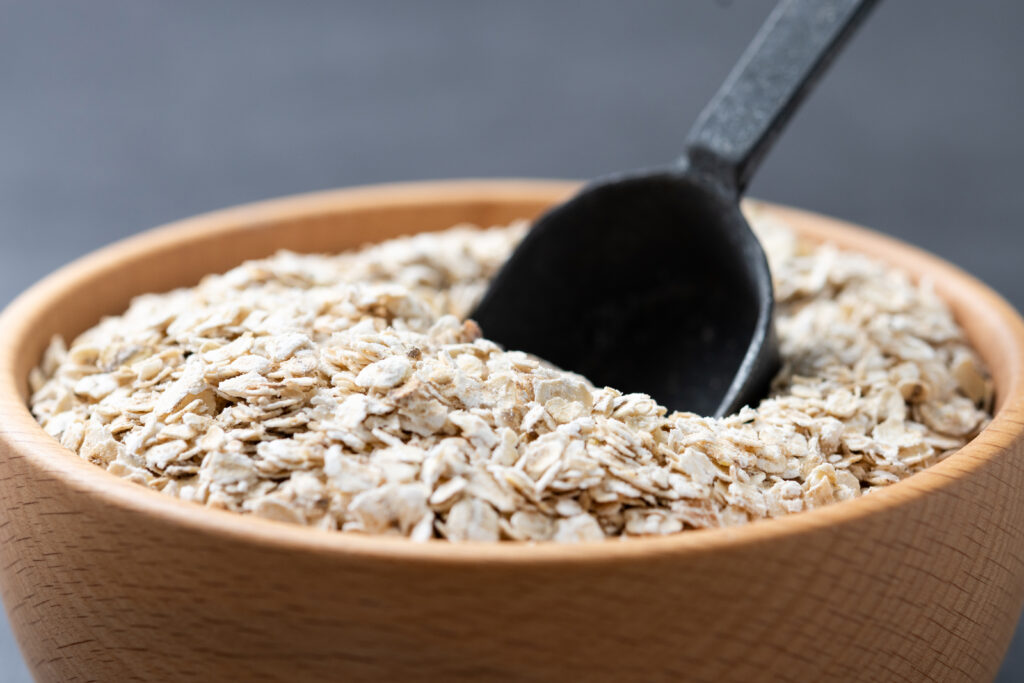
Another reason oats are so beneficial is their versatility. You can enjoy them hot as oatmeal, cold as overnight oats, or blended into smoothies or baked goods. Adding fruits like berries or apples increases the cholesterol-lowering power even more, thanks to their antioxidants and additional fiber.
If you’re used to sugary breakfast cereals, switching to oats is a game-changer for your heart health. Not only do they reduce cholesterol, but they also
- stabilize blood sugar
- improve digestion
- keep you fuller for longer—helping prevent overeating and cravings for high-cholesterol foods such as pastries and fried breakfast options.
Incorporating oats into a low-cholesterol diet is simple. Aim for at least 3 grams of soluble fiber daily, and a single serving of oats already provides 2 grams. That’s why dietitians often call oats one of the easiest fixes for heart health.
If you’re trying to figure out how to reduce bad cholesterol quickly, start your day with oats for 7 days straight—you’ll feel a difference in your energy, digestion, and overall wellness. Science shows that people who consume oats regularly have
- lower LDL level
- reduced inflammation
- better heart function.
They’re cheap, delicious, and scientifically proven to work—what more could your heart ask for?
2. Fatty Fish (Salmon, Mackerel, Sardines)
Fatty fish are among the most effective foods to lower cholesterol because they’re packed with omega-3 fatty acids, which are known for their heart-protective abilities. Omega-3s don’t directly lower LDL cholesterol, but they do reduce triglycerides, decrease inflammation, and help raise HDL—the “good cholesterol” that sweeps LDL out of your arteries. When HDL increases, your body becomes more efficient at managing cholesterol levels naturally.
This is especially valuable for anyone looking for how to reduce cholesterol without medications, because omega-3s work naturally and support overall cardiovascular function.
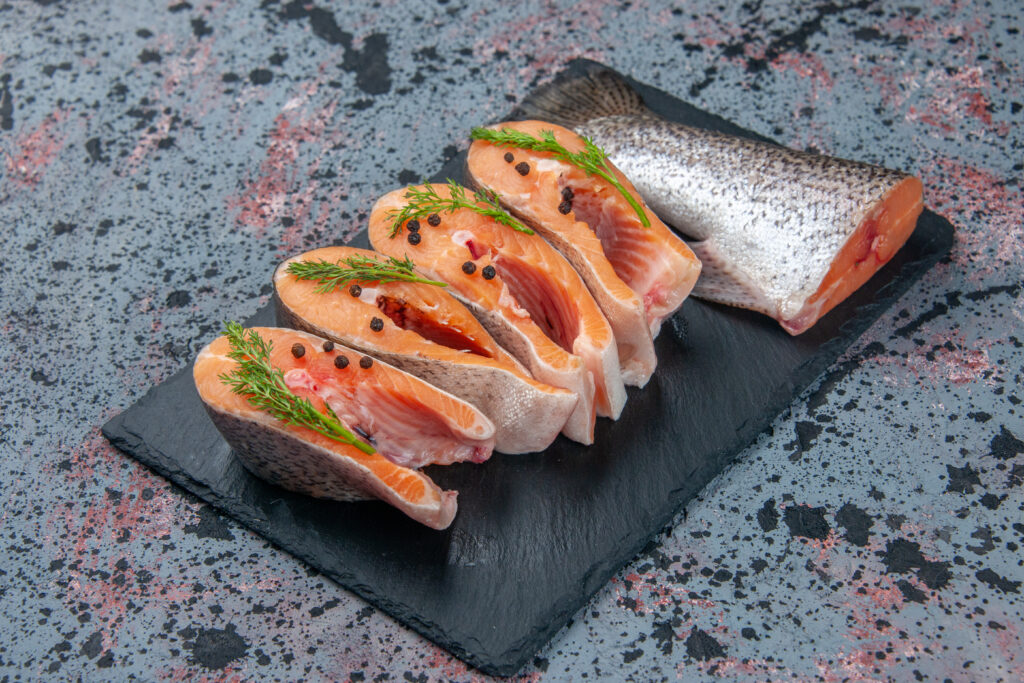
One key advantage of fatty fish is that they can replace high-cholesterol foods such as red meat, pork, and processed meats, which are high in saturated fats. By swapping steak for salmon even twice a week, you reduce harmful fats and add beneficial ones—creating a double advantage for your heart. Salmon, mackerel, sardines, and trout are some of the best choices.
They’re rich in DHA and EPA, two omega-3s directly linked to
- improving artery health
- lowering the likelihood of plaque buildup.
People who eat fatty fish regularly typically have lower LDL levels, healthier blood vessels, and a reduced risk of heart disease.
How to use:
- Fatty fish are also easy to include in a cholesterol diet. You can grill, bake, steam, or pan-sear them with minimal oil.
- Olive oil, lemon, garlic, and herbs turn any fish dish into a delicious heart-friendly meal.
- If you don’t enjoy eating fish, omega-3 supplements like fish oil or algae oil can offer similar benefits—but whole foods are always the most effective option.
- Adding fish to salads, tacos, grain bowls, or simple vegetable plates significantly boosts the nutritional value of your meals with very little effort.
If your goal is to reduce cholesterol in 7 days, adding fatty fish three times that week can make a noticeable difference. You’ll likely feel improvements in energy, inflammation, and digestion because omega-3s don’t just benefit the heart—they support brain function, joint health, and hormonal balance too.
3. Avocado
Avocados are one of the most effective and delicious foods to lower cholesterol, thanks to their rich content of monounsaturated fats—the healthy fats your heart absolutely loves. Unlike saturated fats found in butter, cheese, and processed foods, the fats in avocados help lower LDL (bad cholesterol) while raising HDL (good cholesterol). This dual effect makes avocados a must-have in any cholesterol diet, especially for those searching for natural ways to improve their heart health without relying solely on medication.
Want to know why avocados are considered a superfood? Discover the 12 essential nutrients packed into every bite.
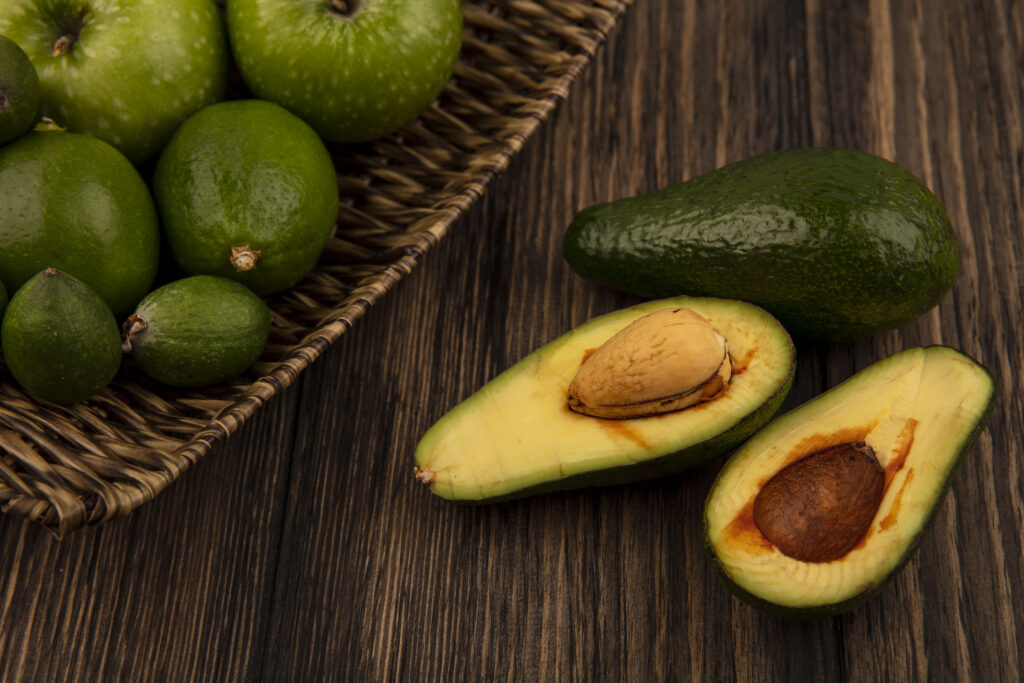
One medium avocado contains around 13 grams of monounsaturated fat, plus fiber, potassium, and antioxidants. The combination of healthy fats and fiber works together to reduce inflammation, support healthy blood vessels, and improve the body’s ability to process fats. Studies show that eating one avocado per day can significantly lower LDL levels, making it an ideal choice for people wondering how to reduce cholesterol without medications.
The soluble fiber inside avocados acts like a broom, sweeping excess cholesterol out of the digestive system before it can enter the bloodstream.
How to add to your diet:
- You can enjoy them in salads, sandwiches, smoothies, on whole-grain toast, or as guacamole.
- They add creaminess to meals without the need for high-cholesterol foods like mayonnaise, butter, or cheese.
- Using avocado as a spread or dip is a simple way to replace fatty, processed condiments that contribute to high cholesterol levels.
- Even a few slices added to your lunch can make a huge difference over time.
If you’re searching for how to reduce bad cholesterol quickly, try incorporating avocado into at least one meal daily for a week. Its combination of potassium and healthy fats promotes better heart function and helps balance sodium levels, reducing strain on your arteries. Avocados also keep you full longer, helping prevent snacking on unhealthy options.
4. Nuts (Almonds, Walnuts, Pistachios)
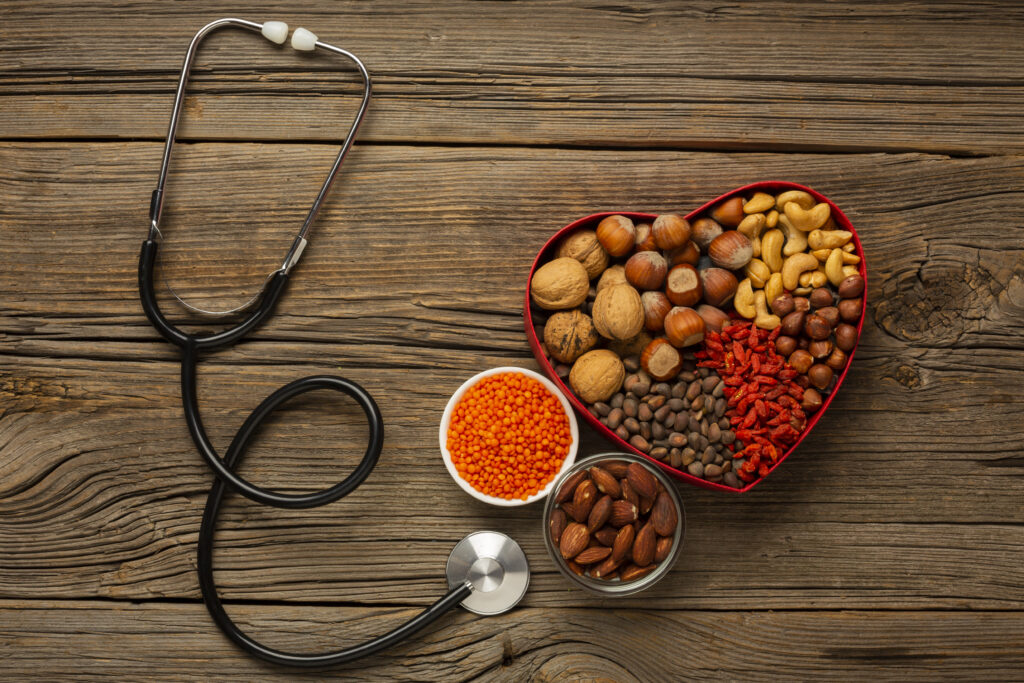
Nuts are among the most convenient and nutritious foods to lower cholesterol, especially when you want something satisfying, crunchy, and heart-healthy. Almonds, walnuts, pistachios, and even cashews contain a perfect blend of healthy fats, fiber, antioxidants, and plant sterols, all of which improve cholesterol levels naturally. Unlike snacks loaded with saturated fats, nuts provide monounsaturated and polyunsaturated fats—exactly the type of fats that lower LDL (bad cholesterol) and raise HDL (good cholesterol). This is especially helpful if you’re actively looking for how to reduce bad cholesterol through everyday food choices.
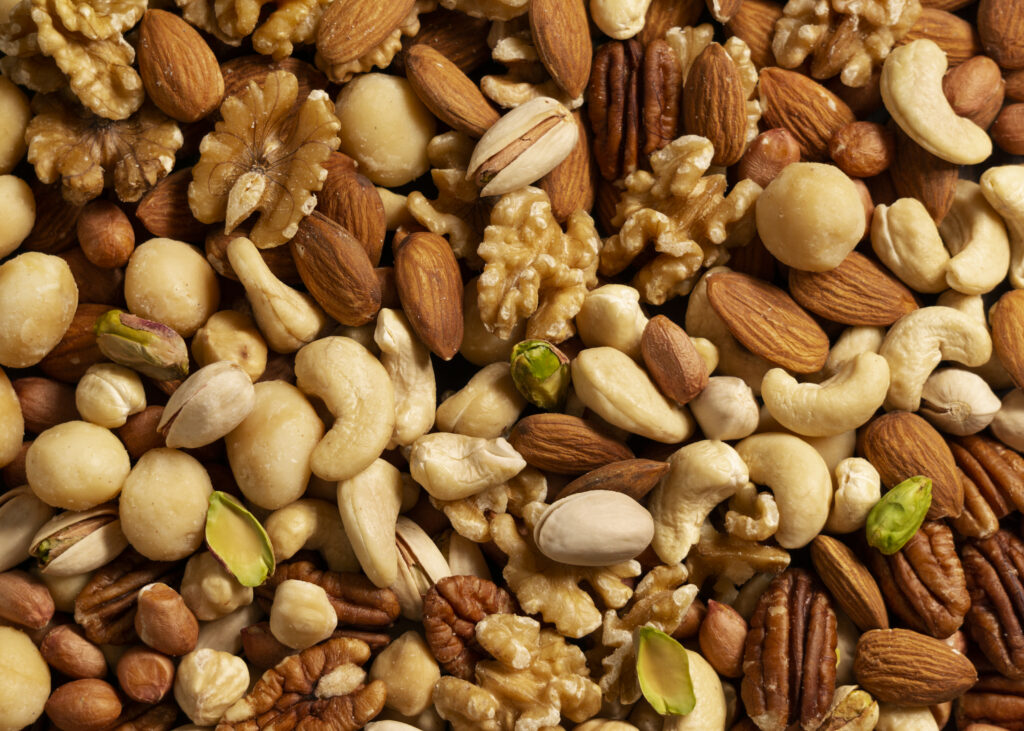
- Walnuts are particularly special because they contain alpha-linolenic acid (ALA), a plant-based omega-3 that improves heart function and reduces inflammation.
- Almonds, on the other hand, are rich in vitamin E, an antioxidant that protects your arteries from oxidative damage.
- Pistachios contain plant compounds that support better lipid levels and improve blood vessel health.
Eating a small handful (about 1 ounce) daily has been shown to lower LDL by up to 10%, making nuts a simple addition to a low-cholesterol diet with big results.
How to add to your diet:
What makes nuts great for a cholesterol diet is how easy they are to incorporate.
- Add them to yogurt, salads, oatmeal, and smoothies
- eat them by themselves as a quick snack.
- If you’re currently snacking on chips, cookies, or pastries—foods high in cholesterol and unhealthy fats—switching to nuts is a powerful step toward lowering your levels naturally. Just be sure to choose raw or dry-roasted nuts without added oils, sugar, or salt.
For anyone searching for how to reduce cholesterol in 7 days, nuts can help stabilize blood sugar, curb cravings, and provide long-lasting energy. Their combination of protein and healthy fats keeps you fuller for longer, which can prevent overeating at meals. By replacing just one unhealthy snack a day with nuts, you create a heart-friendly habit that compounds over time.
5. Olive Oil
Olive oil is one of the cornerstone ingredients of the Mediterranean diet—widely recognized as one of the healthiest eating patterns in the world. What makes olive oil such a powerful addition to a cholesterol diet is its high content of monounsaturated fats, antioxidants, and anti-inflammatory compounds. Unlike butter, lard, or processed cooking oils, extra virgin olive oil works with your body to lower LDL (bad cholesterol) while protecting HDL (good cholesterol). This means it doesn’t just reduce cholesterol levels—it improves the quality of cholesterol circulating in your bloodstream.
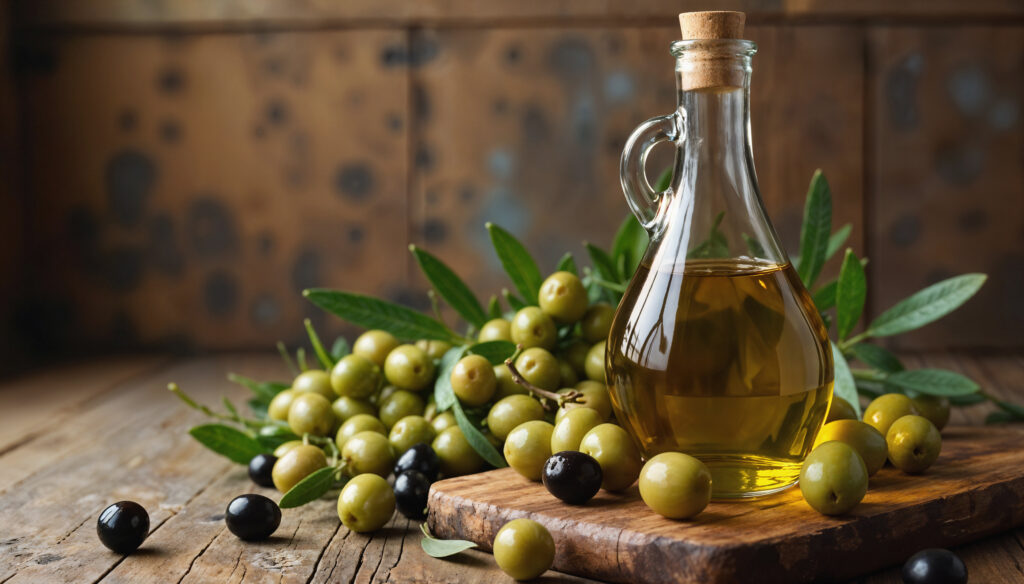
One of the standout compounds in olive oil is oleic acid, a monounsaturated fat that directly reduces LDL and prevents the oxidation of cholesterol. Oxidized LDL is particularly dangerous because it increases inflammation and contributes to plaque buildup inside the arteries. By switching from saturated fats to olive oil, you’re essentially giving your heart a protective shield. If you’ve been researching how to reduce cholesterol naturally, simply replacing other fats with olive oil is one of the most effective and effortless changes you can make.
Olive oil is also rich in polyphenols, which offer antioxidants that support
- blood vessel health
- reduce inflammation
- improve overall cardiovascular function.
Studies have shown that consuming at least two tablespoons of extra virgin olive oil daily can significantly improve cholesterol levels within a few weeks. It’s also perfect for anyone seeking how to reduce cholesterol without medications, because the benefits come directly from whole, natural food—not supplements or drugs.
How to add to diet:
- Incorporating olive oil into your meals is incredibly simple.
- Use it as your primary cooking oil
- drizzle it over salads
- Mix it into cooked vegetables
- Use it as a dip for whole-grain bread.
- It’s a healthy substitute for butter, margarine, and creamy dressings that often contain ingredients leading to high cholesterol foods.
- Olive oil fits perfectly into a low-cholesterol diet, providing flavor, richness, and heart-protective benefits all at once.
If you’re looking for how to reduce cholesterol in 7 days, make olive oil your main fat source for the week. You’ll likely feel lighter, experience less bloating, and have more stable energy throughout the day. The more consistently you use it, the more your heart will thank you.
6. Barley and Whole Grains
Barley and other whole grains are excellent foods to lower cholesterol because they contain high levels of soluble fiber, especially beta-glucan. This type of fiber works like a natural scrub brush inside your digestive system, capturing excess LDL cholesterol and helping your body safely remove it. If you’re trying to understand how to reduce cholesterol naturally, adding whole grains is a simple, proven step with immediate benefits.
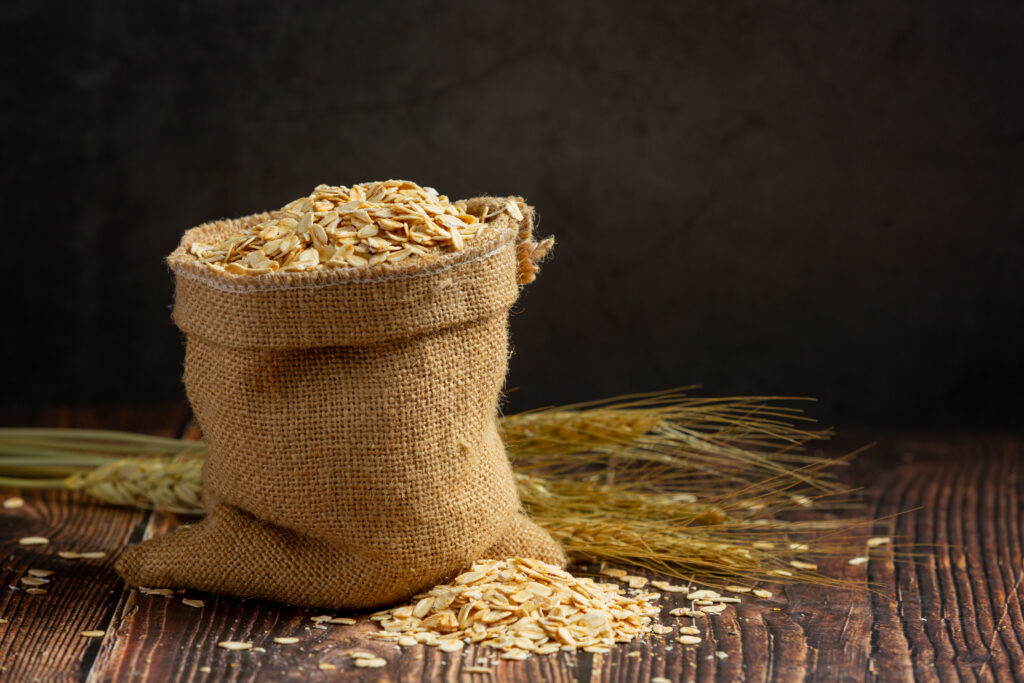
Barley, quinoa, brown rice, whole wheat, and oats help regulate digestion, stabilize blood sugar, and keep you feeling full longer—reducing cravings for high cholesterol foods like pastries or fried snacks. Studies show that replacing refined grains with whole grains can lower LDL levels by up to 10% in just a few weeks. That’s why they’re a key part of any effective cholesterol diet.
Barley is especially powerful because it contains more beta-glucan than most other grains. You can enjoy it in soups, salads, grain bowls, or as a replacement for rice. If you’re searching for how to reduce cholesterol in 7 days, swapping white bread, white rice, and pasta for whole-grain alternatives is one of the most impactful changes you can make.
7. Legumes (Beans, Lentils, Chickpeas)
Legumes are nutrient powerhouses packed with fiber, plant protein, and heart-healthy minerals. Beans, lentils, and chickpeas are top-tier foods to lower cholesterol because their soluble fiber content slows the absorption of cholesterol into your bloodstream. This makes legumes a great solution for people trying to figure out how to reduce bad cholesterol through diet alone.
How to add to diet:
What makes legumes even more impressive is that they naturally replace animal proteins that are often foods high in cholesterol, such as red meat and processed meats. By switching to plant-based proteins a few times per week, you reduce saturated fat intake and support overall heart health.
- They’re affordable, versatile
- easy to enjoy in salads, soups, curries, wraps, or dips like hummus.
- If you’re following a low-cholesterol diet, legumes should be a regular part of your meals.
- Even one cup per day can produce noticeable improvements in LDL levels in a matter of weeks.
8. Berries
Berries—especially blueberries, raspberries, strawberries, and blackberries—are rich in antioxidants called polyphenols, which improve heart health and help lower LDL levels. Their high fiber content makes berries one of the most flavorful foods to lower cholesterol, while also helping reduce inflammation and protect your blood vessels.
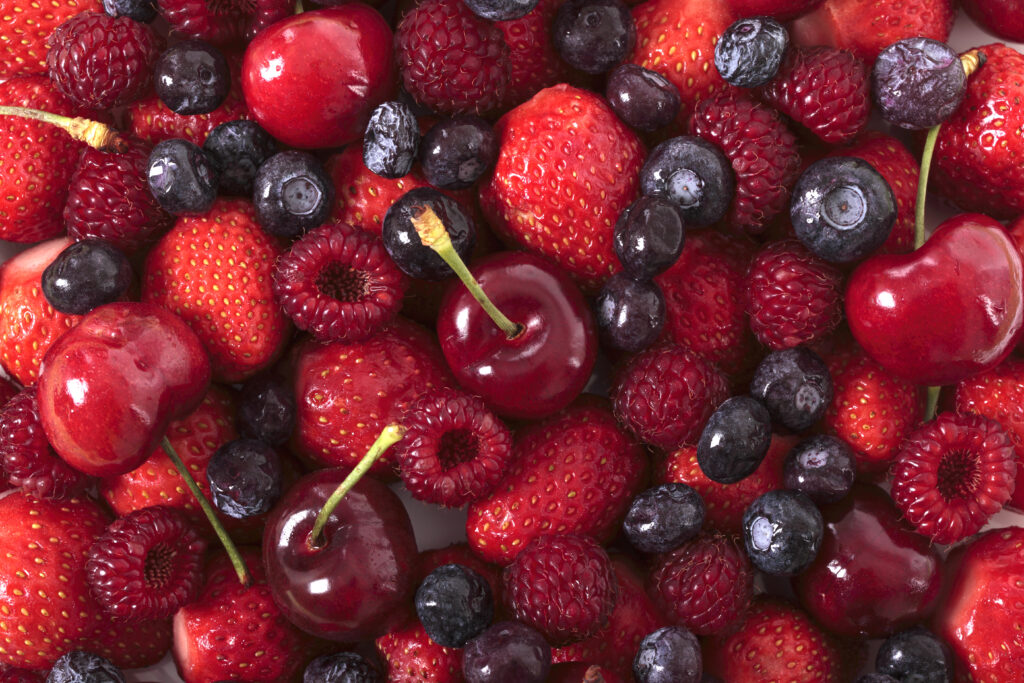
If you’re wondering what causes high cholesterol, inflammation is a major contributor—and berries fight it naturally. Their nutrients help prevent cholesterol from oxidizing, making it less likely to stick to artery walls.
- Add berries to your oatmeal, yogurt, smoothies, or salads to boost the cholesterol-lowering power of your meals.
- They’re sweet, low-calorie, and perfect for anyone searching for how to reduce cholesterol without medications.
9. Garlic
Garlic has been used for centuries for its medicinal properties, and modern research continues to confirm its benefits. Allicin, a substance found in garlic, helps lower the liver’s production of cholesterol. While garlic won’t drastically change your levels overnight, it supports long-term heart health and reduces inflammation.
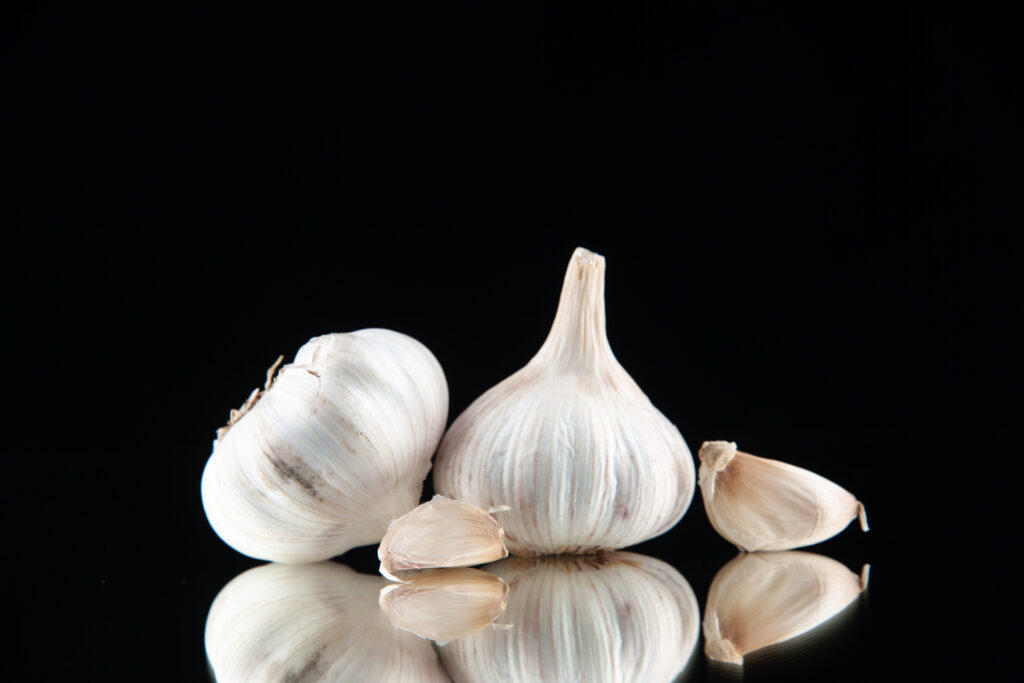
It also improves circulation and helps prevent plaque buildup inside the arteries. Adding fresh garlic to your meals is an easy way to support a low-cholesterol diet without changing your routine too much. It pairs perfectly with vegetables, fish, whole grains, salads, soups, and lean proteins.
For people exploring how to reduce cholesterol naturally, garlic is a simple, inexpensive option that complements other healthy foods beautifully.
10. Dark Chocolate (70%+ Cocoa)
Yes—you can eat chocolate while improving your cholesterol levels, as long as you choose dark chocolate with at least 70% cocoa. Dark chocolate is rich in flavanols, antioxidants that improve blood flow, reduce inflammation, and increase HDL—the good cholesterol.
The key is portion control. One small piece is enough to provide benefits without adding excess sugar or calories. If you’re craving something sweet while staying on a low-cholesterol diet, dark chocolate is a smart, heart-friendly option.
Just be sure to avoid milk chocolate, which contains more sugar and unhealthy fats.
11. Leafy Greens
Leafy greens such as spinach, kale, arugula, and collard greens help lower cholesterol by binding to bile acids in the digestive system. This forces the liver to use existing cholesterol to produce more bile, naturally reducing LDL levels.
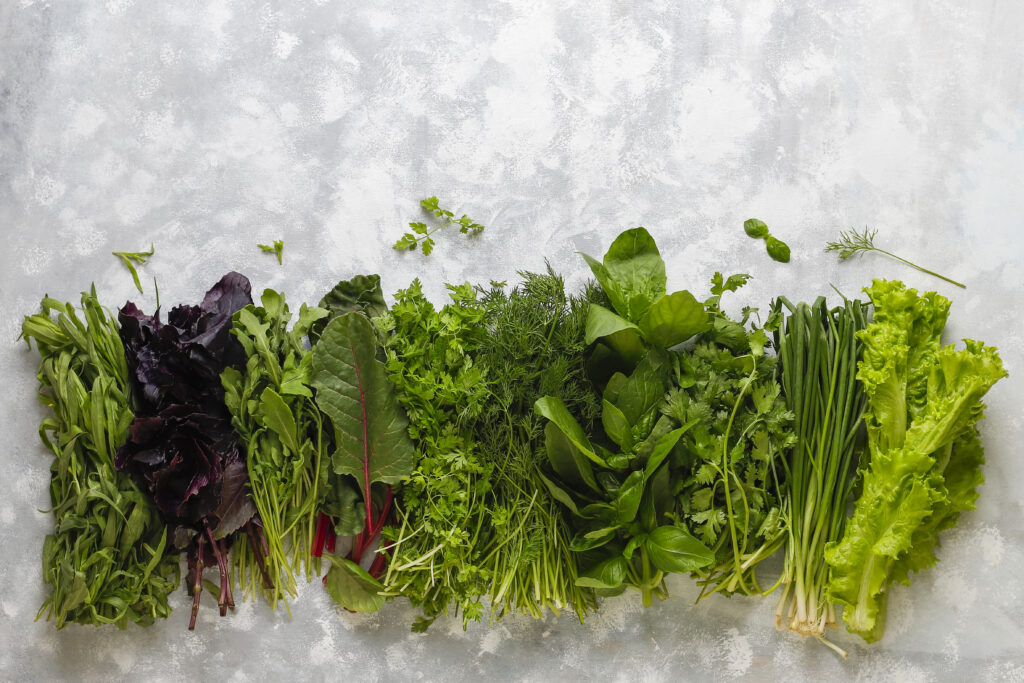
They’re also rich in antioxidants, vitamins, and minerals that strengthen your cardiovascular system. Leafy greens should be a daily part of any cholesterol diet if you want fast and lasting results. Add them to salads, smoothies, stir-fries, soups, or omelets.
They are especially effective for people trying to follow how to reduce cholesterol in 7 days, because the fiber content starts working immediately.
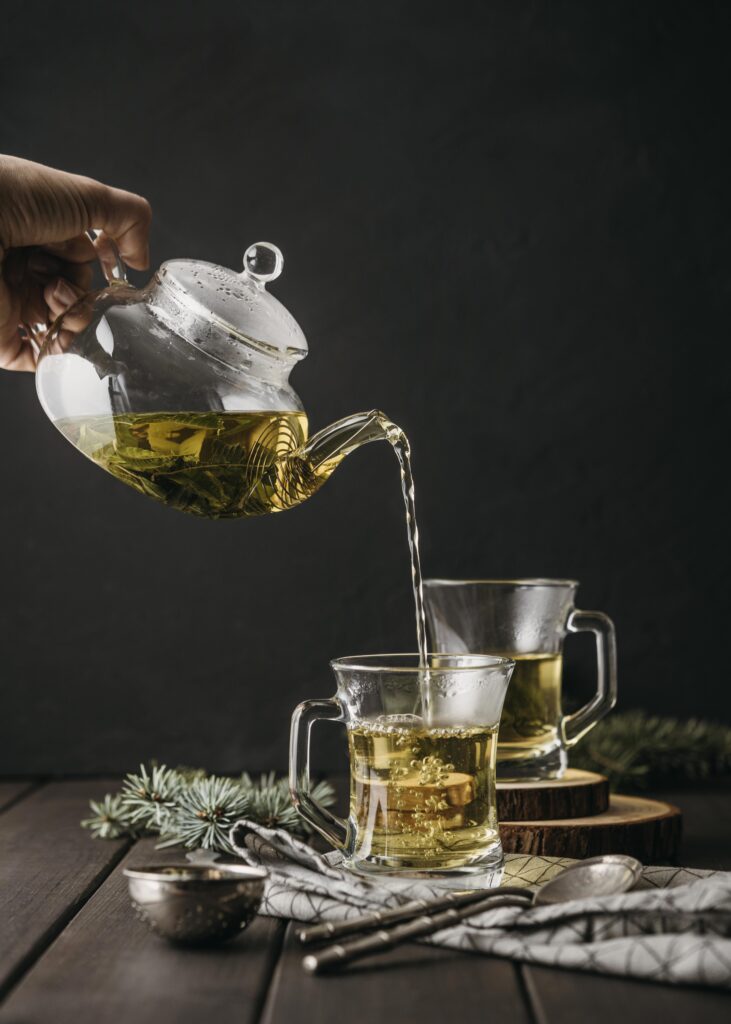
12. Green Tea
Green tea is one of the most researched beverages for heart health. It contains catechins, powerful antioxidants that help lower LDL, improve blood flow, and support metabolism. Drinking green tea daily can reduce overall cholesterol levels and help prevent oxidation—the process that makes cholesterol dangerous.
Replace sugary drinks or high-calorie coffees with green tea to support a low cholesterol diet. It’s refreshing, light, and easy to enjoy hot or iced. Drinking 2–3 cups a day can support your efforts to lower cholesterol naturally.
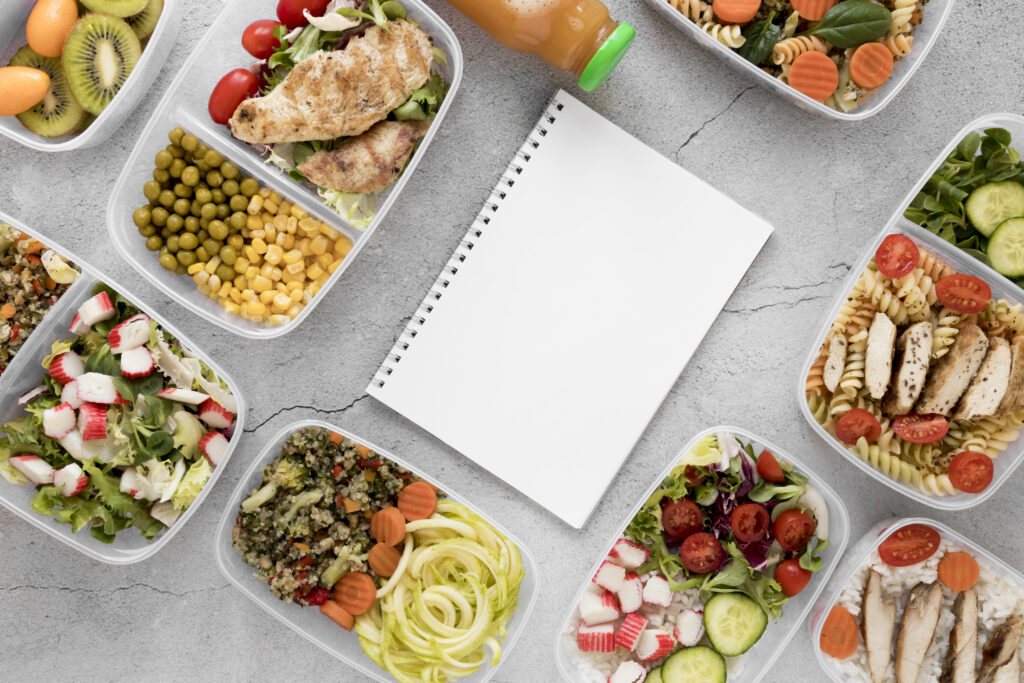
7-Day Sample Low-Cholesterol Meal Plan
Here’s a simple plan to help you get started:
Day 1
- Breakfast: Oatmeal with blueberries
- Lunch: Chickpea salad with olive oil
- Dinner: Grilled salmon with steamed spinach
Day 2
- Breakfast: Smoothie with avocado + spinach
- Lunch: Lentil soup
- Dinner: Barley bowl with veggies
Day 3
- Breakfast: Whole-grain toast with avocado
- Lunch: Walnut salad
- Dinner: Baked mackerel with greens
Day 4
- Breakfast: Yogurt with nuts + raspberries
- Lunch: Vegetable quinoa bowl
- Dinner: Garlic roasted chicken + broccoli
Day 5
- Breakfast: Oats + banana
- Lunch: Black bean burrito bowl
- Dinner: Sardines with brown rice
Day 6
- Breakfast: Green tea + fruit
- Lunch: Chickpea wrap
- Dinner: Whole-grain pasta with veggies
Day 7
- Breakfast: Avocado smoothie
- Lunch: Veggie barley soup
- Dinner: Grilled trout + salad
Ready to make dinner easy? Tap the link and grab your 7-day meal plan now!
Conclusion
Lowering cholesterol doesn’t have to be complicated. With the right foods and a few consistent habits, you can protect your heart, boost your energy, and improve your overall health without relying solely on medication. These 12 powerful foods to lower cholesterol—oats, fatty fish, avocados, nuts, olive oil, legumes, berries, garlic, dark chocolate, leafy greens, whole grains, and green tea—offer a natural and effective path toward better health.
Whether you’re looking for how to reduce cholesterol in 7 days or long-term results, the key is consistency. Small changes add up, and your heart will thank you for every step you take.
- “Healthy, hearty, and oh-so-delicious! Click to grab the recipes for 10 easy soups that make weight loss feel effortless.”
FAQs
- What causes high cholesterol the most?
A diet high in saturated fats, processed foods, and a lack of exercise are major contributors.
- What foods should I avoid with high cholesterol?
Fried foods, processed meats, butter, full-fat dairy, pastries, and fast food.
- Can cholesterol be lowered without medication?
Yes—diet, exercise, and lifestyle changes can significantly lower cholesterol naturally.
- How fast can I reduce cholesterol?
Some improvements can happen in as little as 7 days, but major changes usually take 4–8 weeks.
- Does drinking water help reduce cholesterol?
Hydration supports digestion and metabolism, helping the body process fats more efficiently.