Traditional sweets often pack refined sugar, unhealthy fats, and excess calories. That’s where low-calorie desserts step in and completely change the game. Craving something sweet every day doesn’t mean your health goals are in danger. The real issue isn’t dessert itself—it’s how desserts are made.
Nutrition experts consistently highlight one key principle: sustainable eating beats strict restriction. When you allow yourself smarter dessert options, you reduce cravings, avoid binge eating, and stay consistent long term.
To read more articles, visit https://healthywithayesha.com/
This guide covers 12 low-calorie desserts you can enjoy daily, without guilt or confusion. Each option focuses on whole ingredients, balanced nutrition, and realistic portion sizes. No fake promises. No trendy nonsense. Just practical, evidence-based choices that actually work.
Why Low-Calorie Desserts Make Sense
Let’s clear something up: cutting out desserts completely rarely works. It often leads to stronger cravings and poor food decisions later.
According to nutrition experts, extreme restriction increases the likelihood of overeating. That’s why including low-calorie desserts in your routine helps maintain balance.
These desserts:
- Reduce overall calorie intake
- Support better portion control
- Help stabilize blood sugar
- Keep your diet enjoyable
Think of them as “controlled indulgence”—you enjoy sweetness without losing control.
What Makes a Dessert Low-Calorie and Healthy?
Not every “light” dessert deserves trust. Some replace sugar with artificial ingredients or remove fat but add hidden carbs.
A true low-calorie dessert should:
- Use natural ingredients
- Include fibre or protein
- Limit added sugars
- Stay under 150–250 calories per serving (general guideline from nutrition experts)
- Be easy to prepare consistently
The goal isn’t just fewer calories—it’s better-quality calories.
Looking for simple ways to eat healthier? Discover the 7 healthy eating habits that transformed my daily routine.
1. Greek Yogurt with Fresh Berries
This is one of the easiest and most reliable low-calorie desserts.
Greek yogurt contains protein, which helps control appetite. Berries add fibre and antioxidants without excessive sugar.
How to enjoy it:
- Use plain Greek yogurt
- Add strawberries, blueberries, or raspberries
- Optional: drizzle a teaspoon of honey
Why it works:
High protein + fibre = longer satiety. You feel full, not deprived.
2. Frozen Banana “Nice Cream”
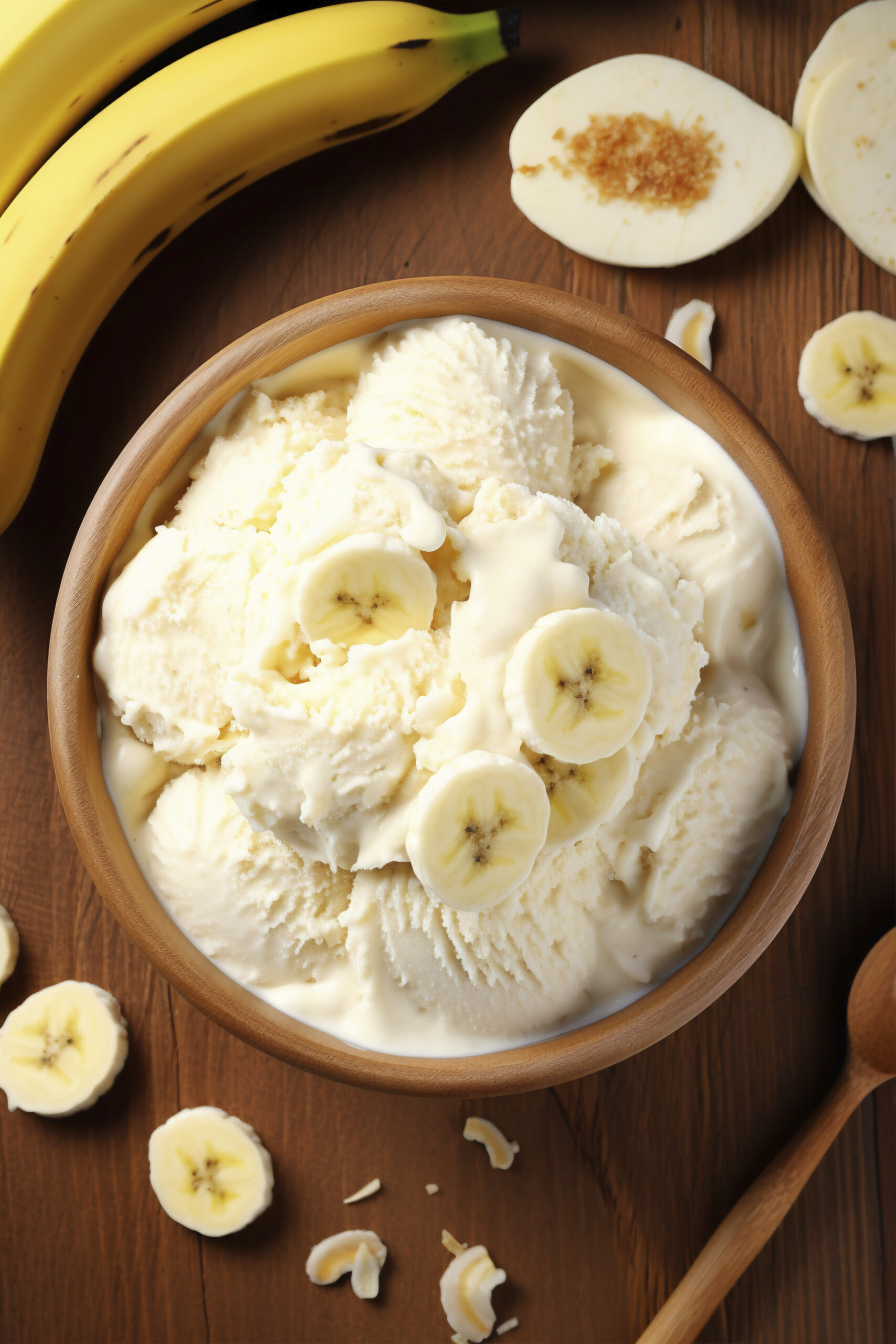
Ice cream cravings don’t disappear. This version handles them smarter.
Blend frozen bananas until smooth. That’s it.
Optional add-ins:
- Cocoa powder
- Peanut butter
- Vanilla extract
Why it works:
Bananas create natural creaminess without added sugar or fat.
3. Baked Apples with Cinnamon
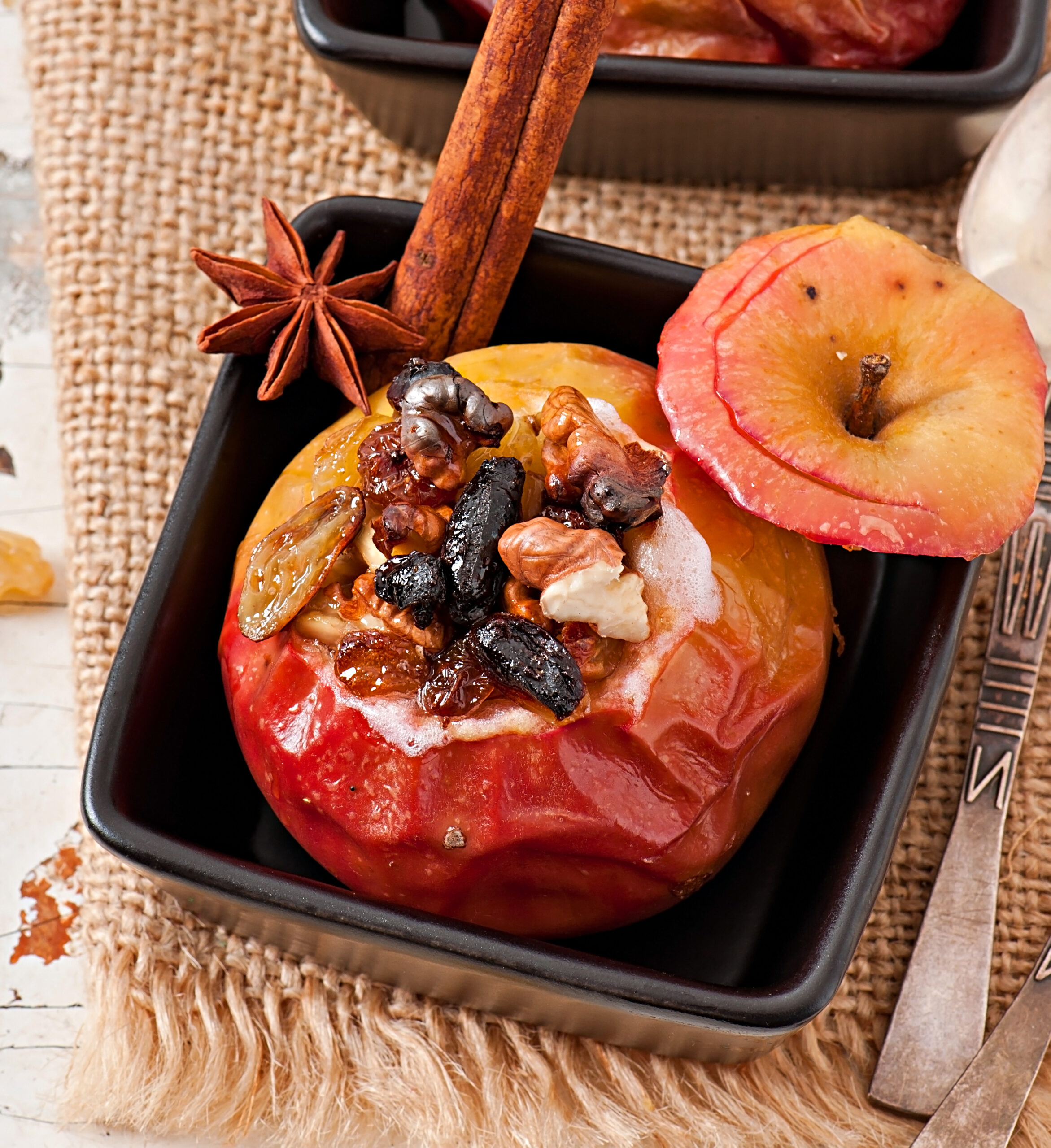
Warm desserts often feel more satisfying than cold ones.
Apples contain soluble fibre, which supports digestion. Cinnamon adds flavour without calories.
How to make it:
- Slice apples
- Sprinkle cinnamon
- Bake until soft
Why it works:
Natural sweetness increases during baking, so you don’t need sugar.
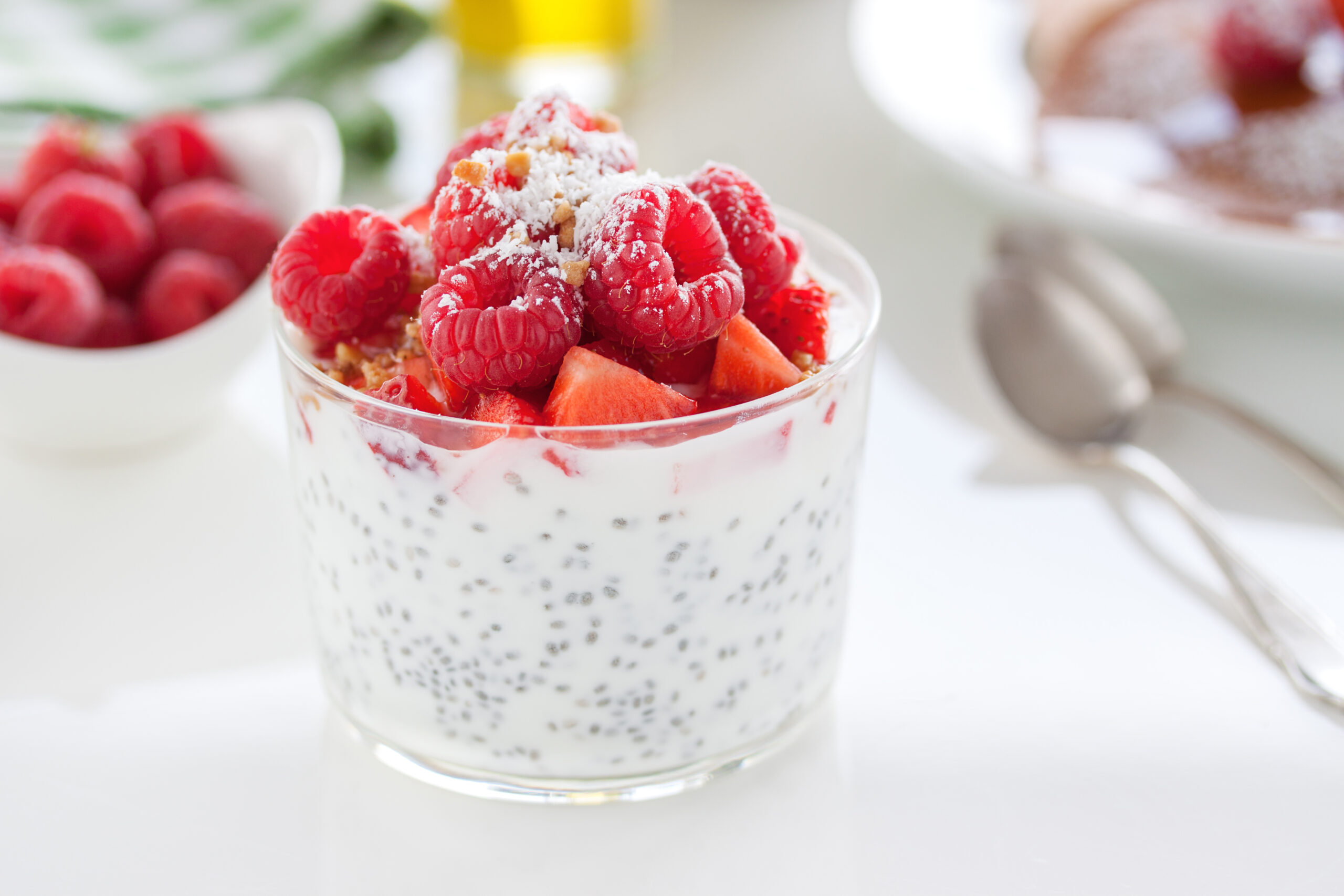
4. Chia Seed Pudding
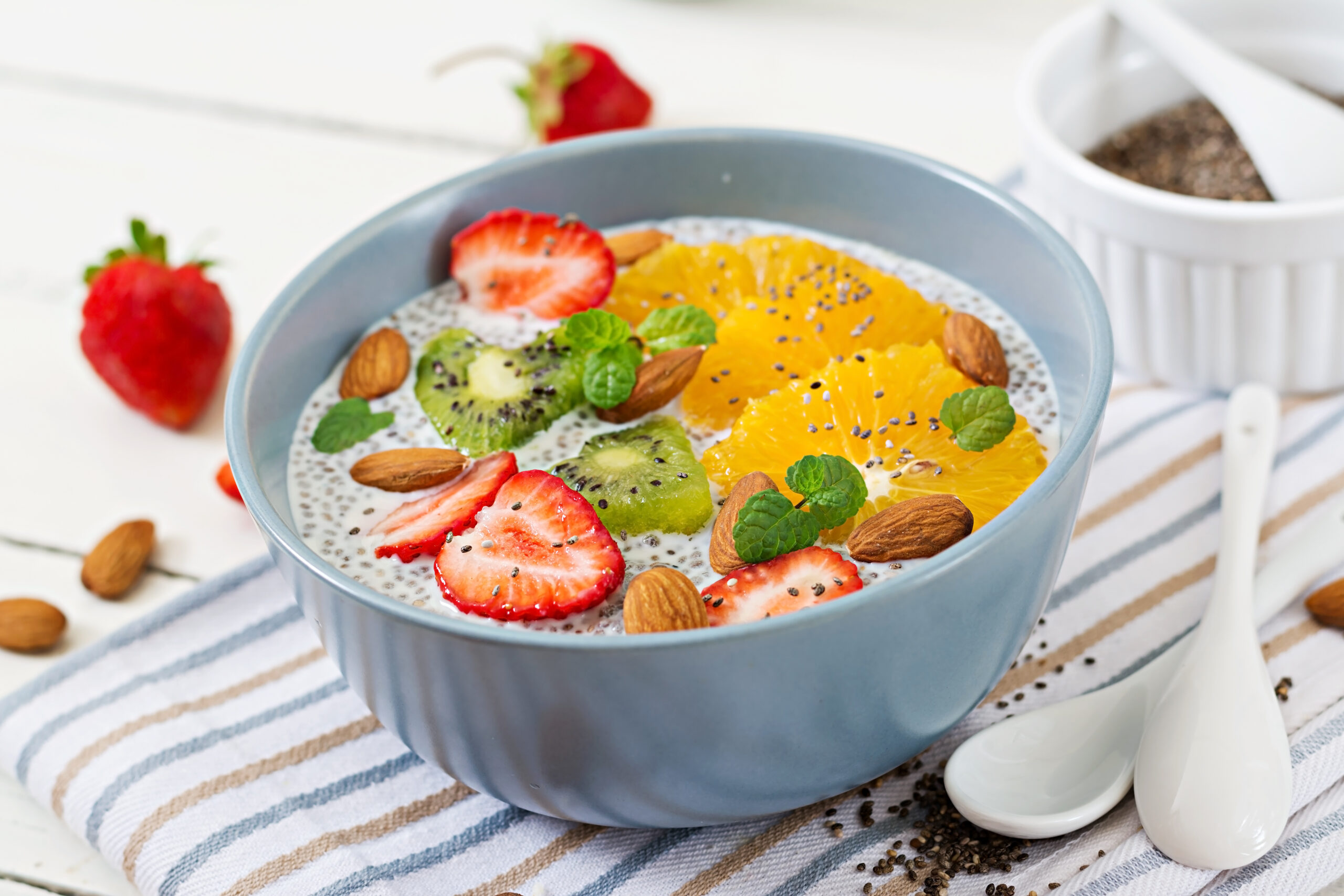
Simple, filling, and perfect for meal prep.
Chia seeds absorb liquid and create a pudding texture rich in fibre and omega-3 fats.
Basic recipe:
- Chia seeds + almond milk
- Refrigerate overnight
- Add fruit before serving
Why it works:
High fibre slows digestion and reduces hunger.
5. Cottage Cheese with Pineapple
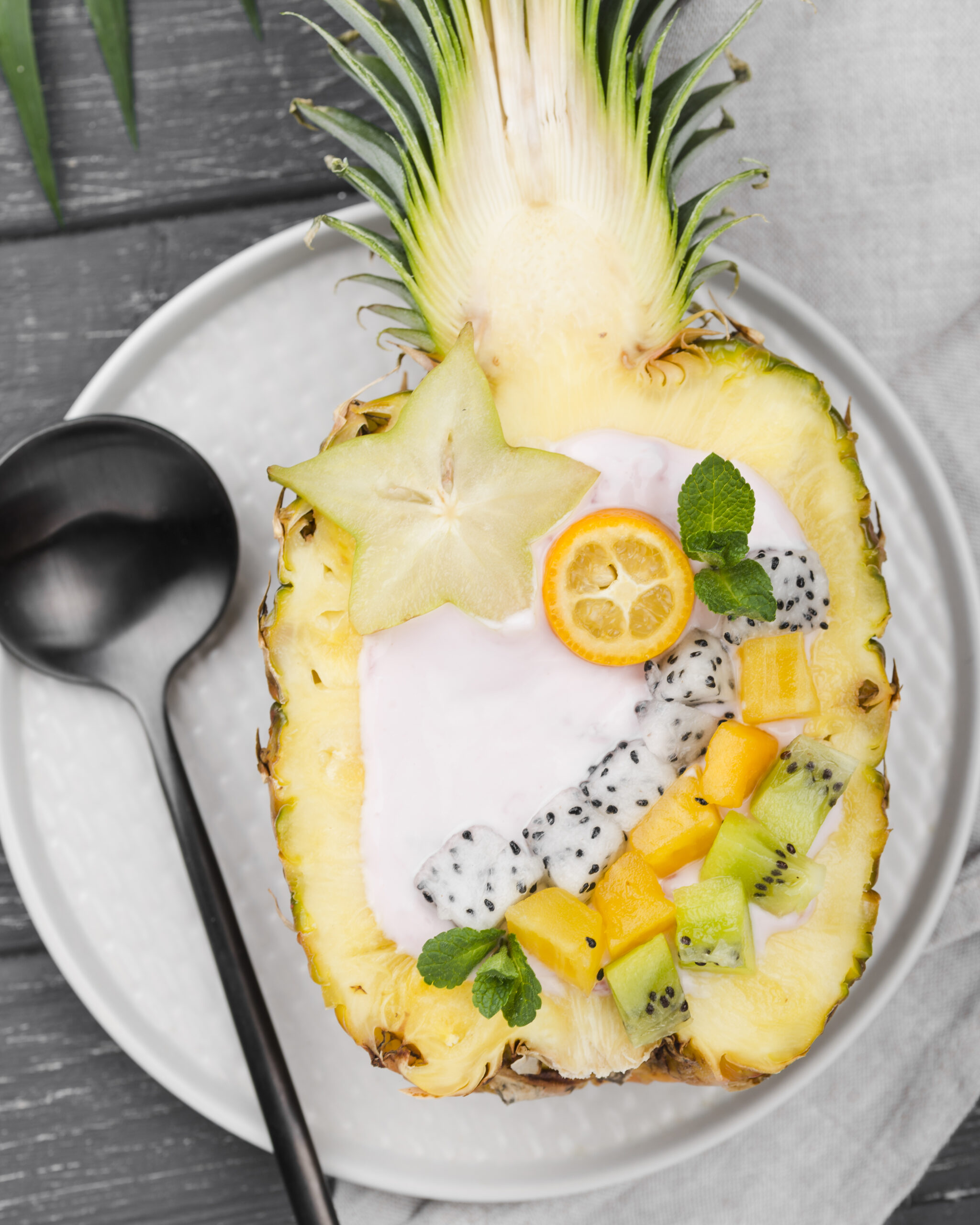
This combination looks simple—but it delivers real results.
Cottage cheese offers high protein with relatively low calories. Pineapple adds natural sweetness.
Why it works:
Protein reduces cravings and supports muscle health.
6. Dark Chocolate-Covered Strawberries
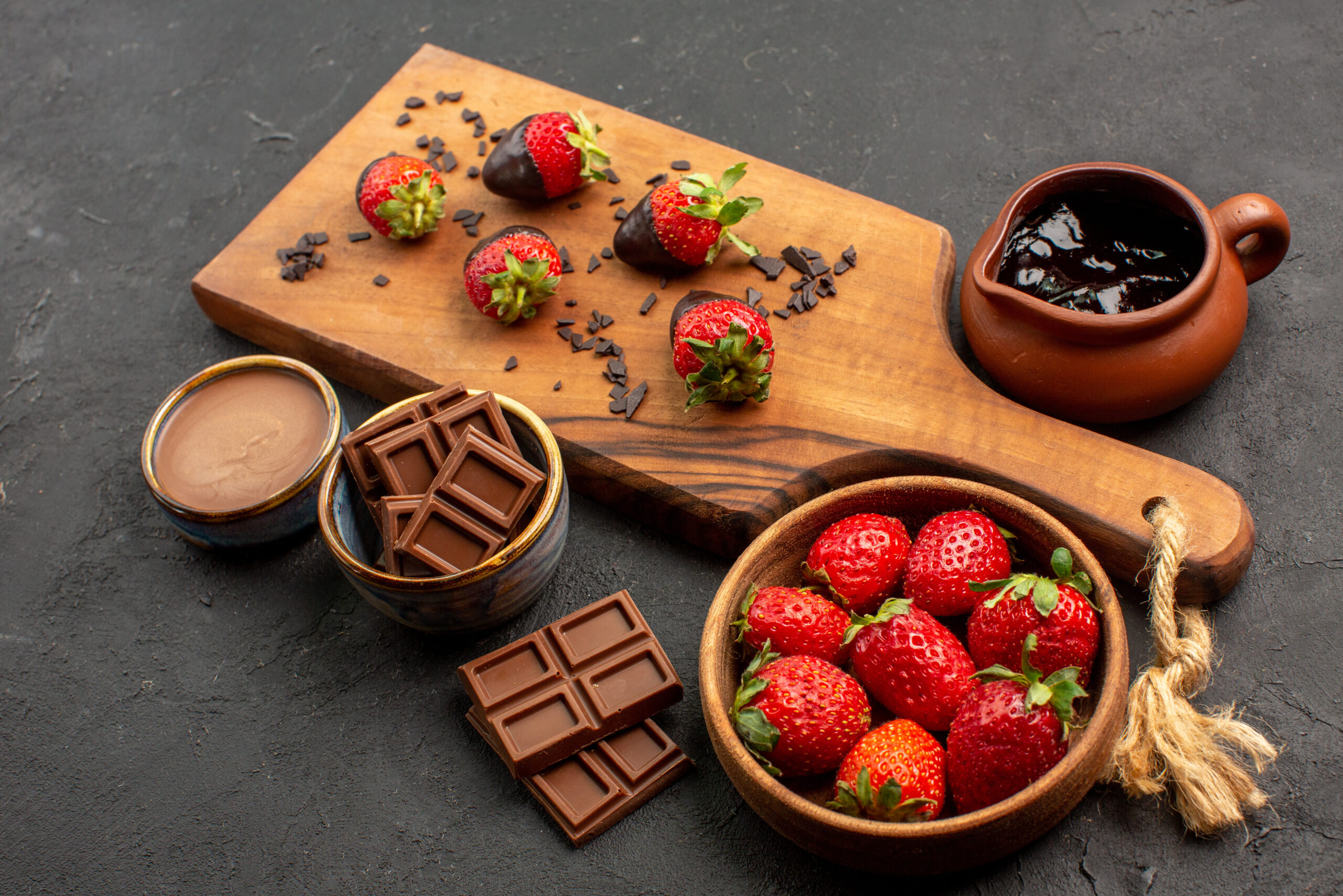
Yes, chocolate can fit into a low-calorie plan.
Use dark chocolate (70% cocoa or higher) and keep portions small.
How to make it:
- Dip strawberries in melted chocolate
- Let them set
Why it works:
Strong chocolate flavour satisfies quickly, so you eat less.
7. Oatmeal with Banana and Cinnamon
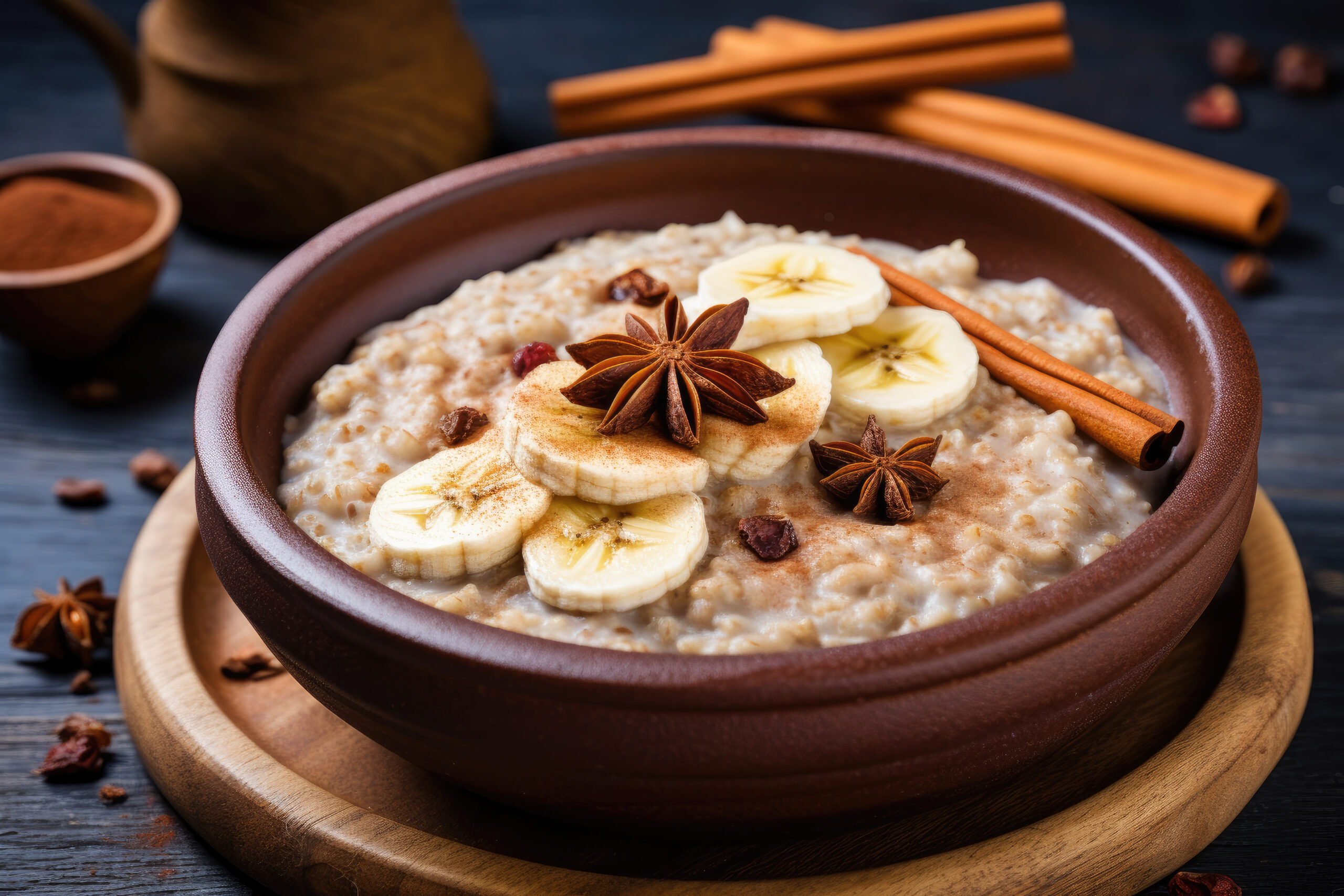
Oats don’t belong only at breakfast.
They provide beta-glucan fibre, which helps regulate blood sugar levels.
How to prepare:
- Cook oats with water or milk
- Add banana slices
- Sprinkle cinnamon
Why it works:
Slow-digesting carbs prevent sugar crashes.
“Looking for more meal ideas? Check out our guide on Healthy Appetizer Recipes.”
8. Frozen Yogurt Bar

This dessert looks fancy but takes minimal effort.
Steps:
- Spread Greek yogurt on a tray
- Add berries and nuts
- Freeze and break into pieces
Why it works:
Built-in portion control prevents overeating.
9. Date and Nut Energy Bites
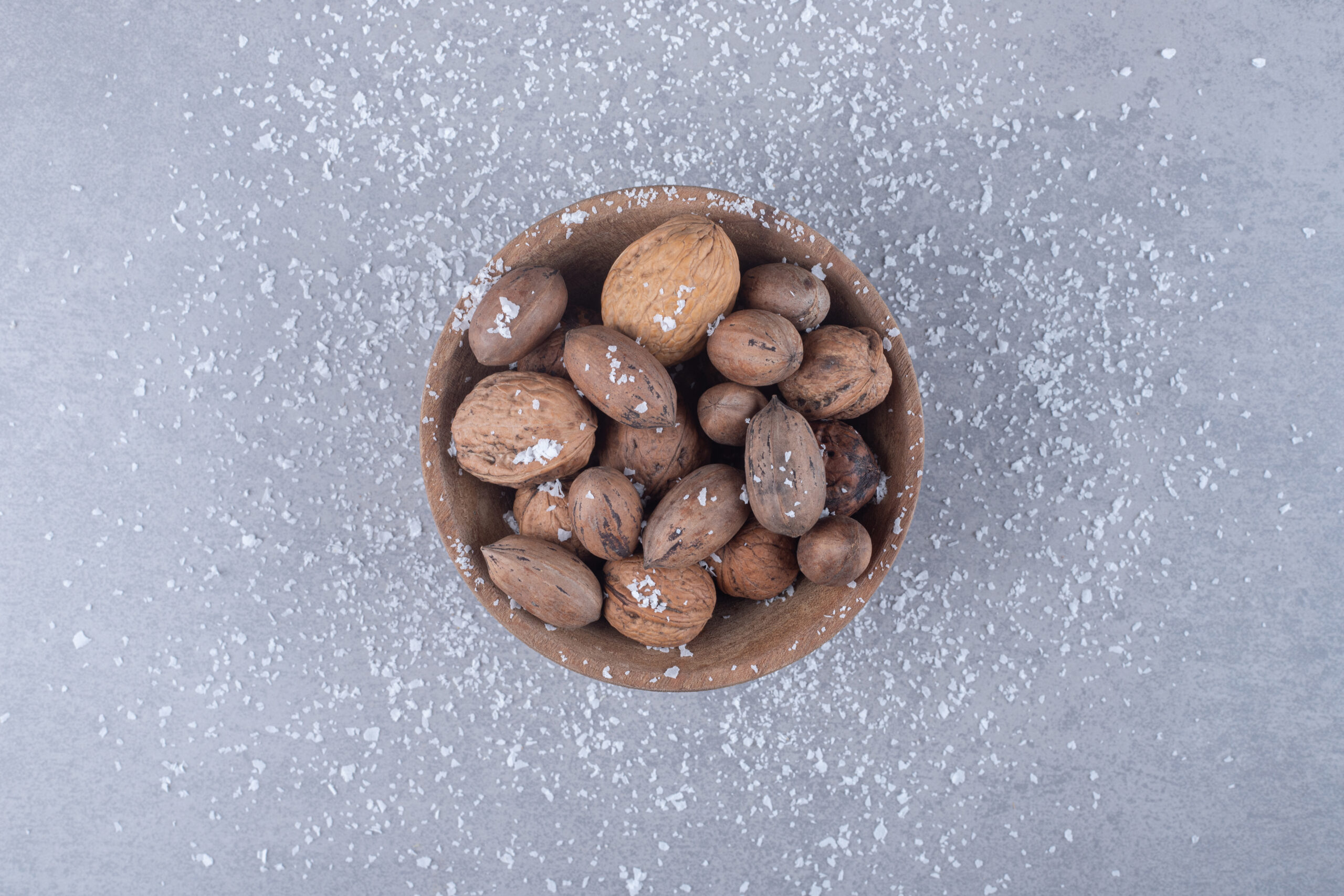
Naturally sweet and satisfying.
Dates provide fibre and natural sugar. Nuts add healthy fats and protein.
Quick method:
- Blend dates and nuts
- Roll into small balls
Why it works:
Balanced nutrients prevent sugar spikes.
10. Homemade Applesauce
Store-bought versions often contain added sugar. Homemade doesn’t.
How to make it:
- Cook apples with water
- Add cinnamon
- Mash or blend
Why it works:
Keeps fibre intact while enhancing natural sweetness.
11. Protein Chocolate Smoothie
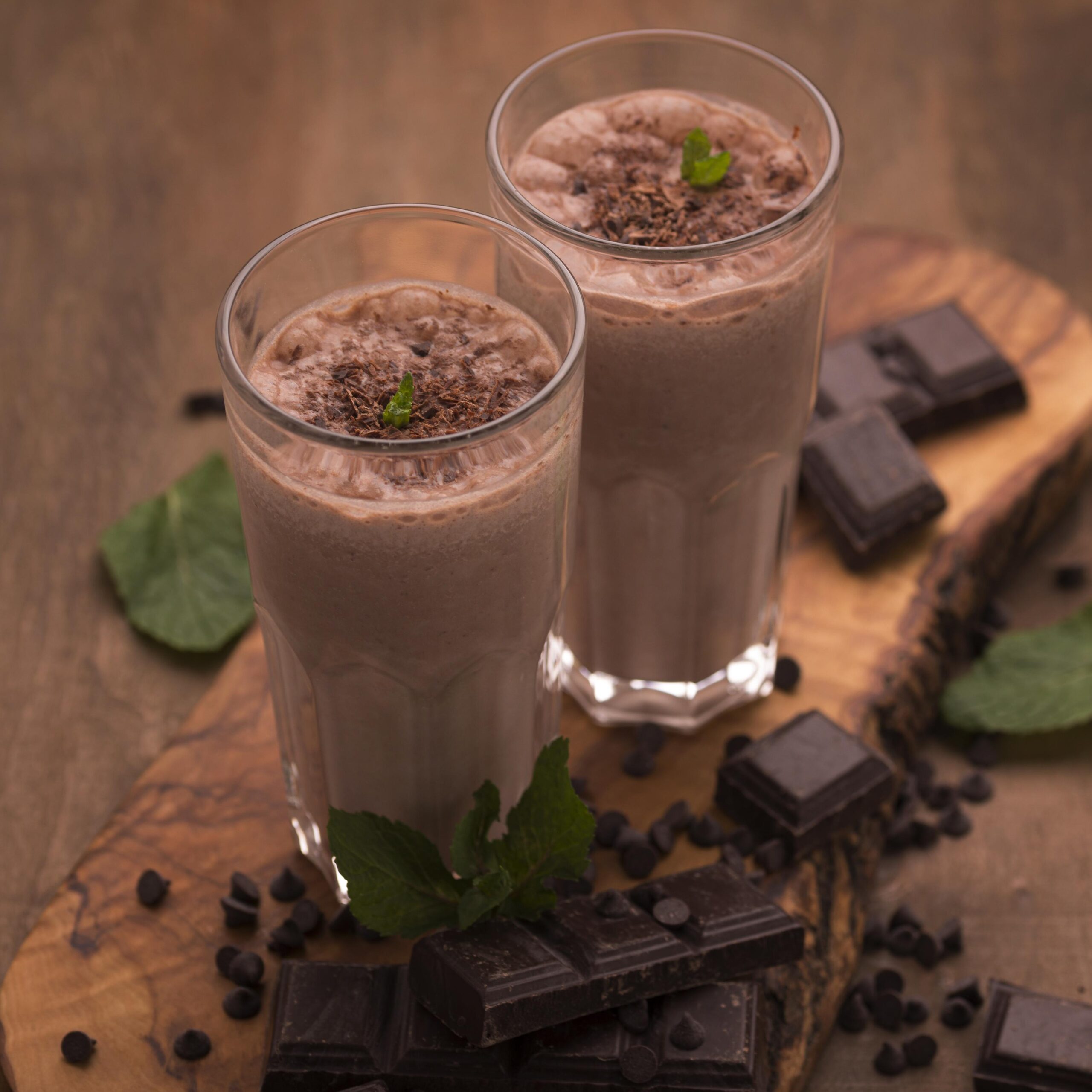
A dessert you can drink—and feel good about.
Ingredients:
- Protein powder
- Cocoa powder
- Almond milk
- Frozen berries
Why it works:
Protein supports fullness and recovery.
12. Ricotta with Honey and Berries
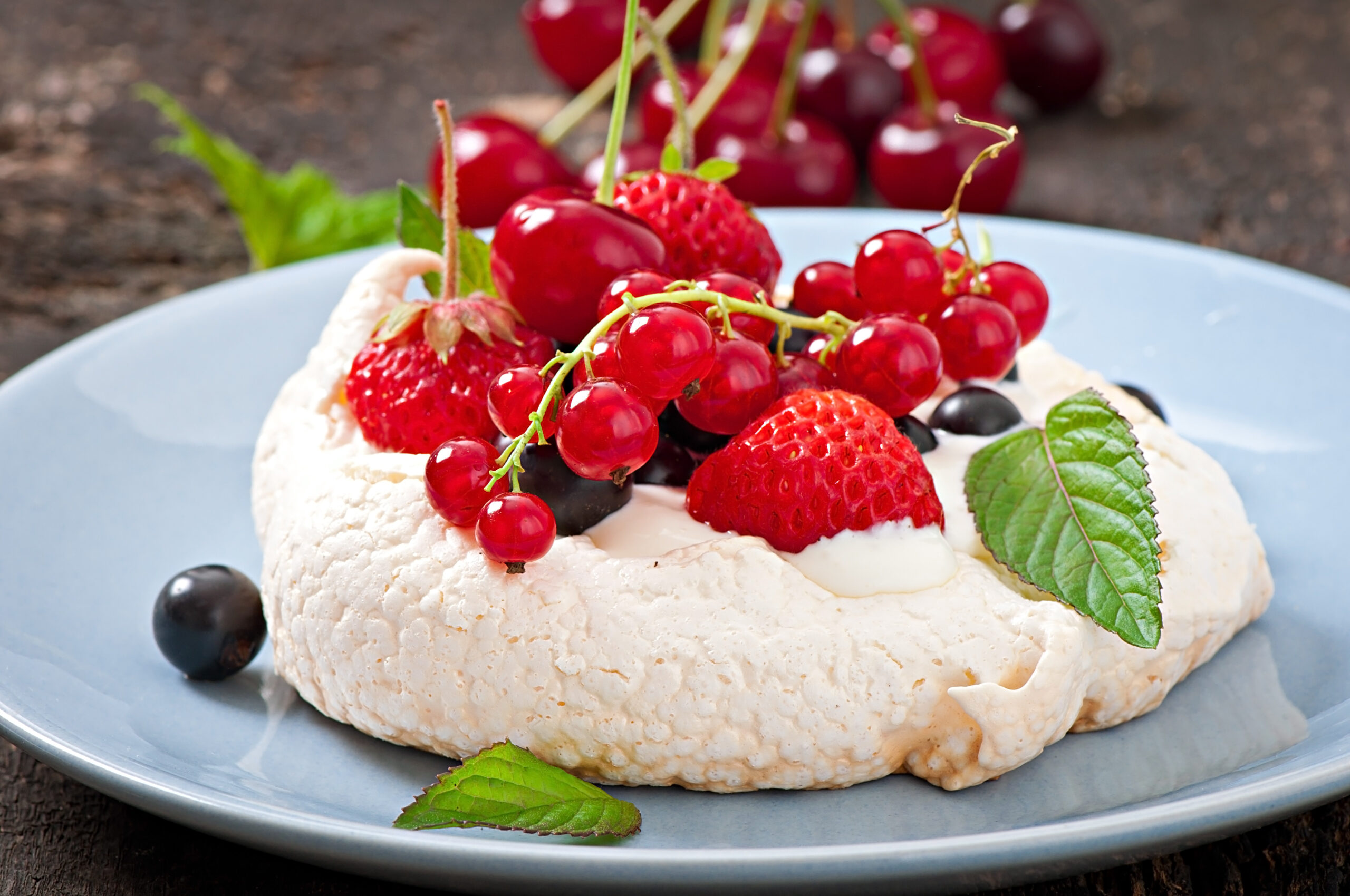
Creamy without being heavy.
Ricotta contains protein and calcium. Berries balance sweetness.
How to prepare:
- Add ricotta to a bowl
- Top with berries
- Drizzle honey lightly
Why it works:
Small portions feel indulgent but stay controlled.
Common Mistakes to Avoid
Even low-calorie desserts can go wrong if you:
- Ignore portion sizes
- Add too many toppings
- Use “diet” products with hidden ingredients
Mindful eating matters just as much as food choice.
“Looking for more meal ideas? Check out our guide on a healthy lifestyle Diet.”
Can You Really Eat Dessert Every Day?
Yes—you can.
The key lies in:
- Portion control
- Ingredient quality
- Overall calorie balance
Nutrition experts agree that consistency matters more than perfection. When desserts fit your routine, you avoid cycles of restriction and binge eating.
Final Thoughts
Low calorie desserts aren’t about replacing joy with rules. They’re about making smarter choices that support your goals without removing pleasure.
When you use whole ingredients, control portions, and stay consistent, desserts stop being a problem. They become part of the solution.
You don’t need to “earn” dessert. You just need to choose it wisely.
“Stop starving, start thriving — find out why low-calorie eating beats every fad diet out there!”
FAQs
1. What are low-calorie desserts?
Low-calorie desserts are sweet foods made with fewer calories than traditional desserts. They usually include whole ingredients like fruits, yogurt, oats, or nuts instead of refined sugar and heavy fats. The goal is to satisfy cravings while keeping calorie intake under control.
2. Can I eat low-calorie desserts every day?
Yes, you can eat low-calorie desserts daily if you manage portion sizes and maintain overall calorie balance. Nutrition experts, including those from Harvard Health, support moderation over restriction for long-term success.
3. Are low-calorie desserts good for weight loss?
Low-calorie desserts can support weight loss when they replace high-calorie sweets. They help control cravings and prevent overeating, which plays a key role in maintaining a calorie deficit.
4. Do low-calorie desserts contain sugar?
Most low-calorie desserts contain natural sugars from fruits or small amounts of honey. These sources come with fibre and nutrients, making them better than refined sugar when consumed in moderation.
5. What ingredients should I use for low-calorie desserts?
Focus on ingredients like:
- Fresh fruits
- Greek yogurt
- Oats
- Chia seeds
- Nuts (in small amounts)
- Unsweetened cocoa
These ingredients provide flavour, nutrition, and better satiety.
6. Are artificial sweeteners necessary in low-calorie desserts?
No, they are not necessary. Many healthy recipes rely on natural sweetness from fruits. Some people choose artificial sweeteners, but whole-food options often provide better nutritional value.
7. How do I keep low-calorie desserts tasty?
Use natural flavour boosters like cinnamon, vanilla extract, cocoa powder, and fresh fruits. These ingredients enhance taste without adding many calories.
8. What is the ideal portion size for low-calorie desserts?
A typical serving ranges from 100 to 250 calories, depending on your daily needs. Keeping portions controlled helps maintain balance without feeling restricted.