The big 4-0 is more than just a milestone birthday; it is a physiological shift. As you enter this decade, your body begins to navigate the subtle (and sometimes not-so-subtle) transition of perimenopause. Estrogen levels start to fluctuate, metabolism shifts, and your nutritional requirements evolve. While a balanced diet is the foundation of health, the modern lifestyle and changing biology often create “nutrient gaps” that food alone can’t bridge.
To read more articles, visit https://healthywithayesha.com/
In this comprehensive guide, we explore the 7 best vitamins for women over 40 that support your hormones, bone density, and cognitive health. Whether you are battling “brain fog,” noticing new aches, or simply want to stay ahead of the aging process, these nutrients are your essential toolkit for the years ahead.
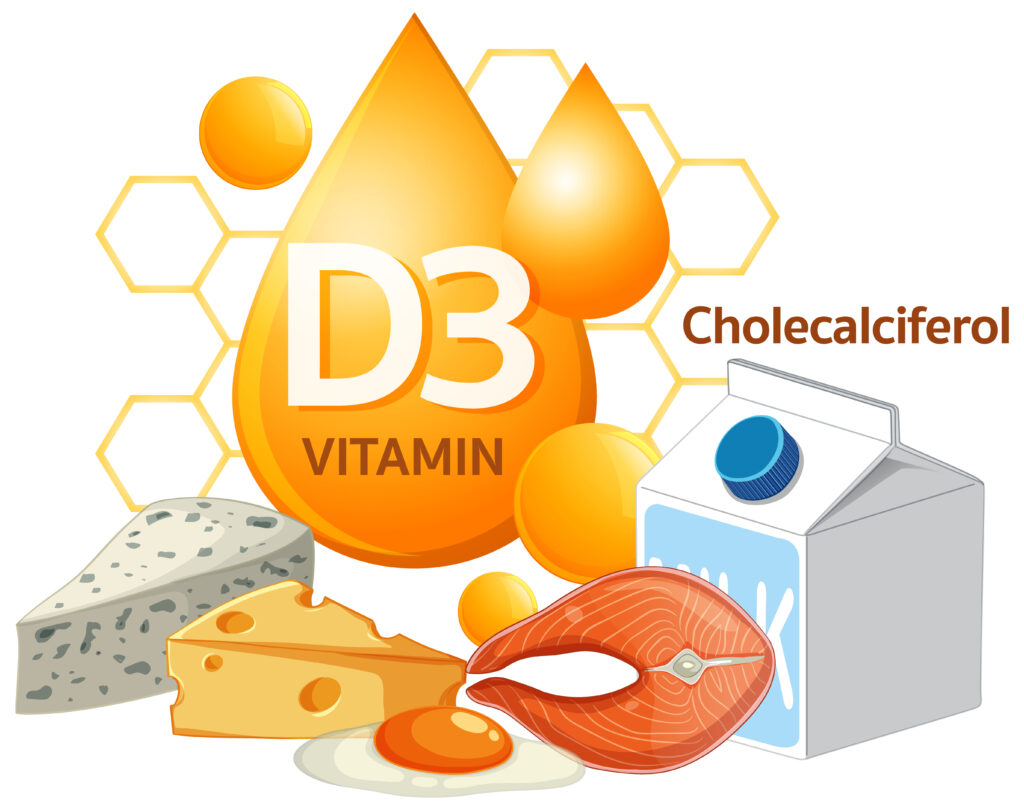
1. Vitamin D3: The Hormone Precursor
Often called the “sunshine vitamin,” Vitamin D3 is technically a pro-hormone. For women over 40, it is arguably the most critical nutrient in the cabinet.
Why It Matters Over 40
Vitamin D is the gatekeeper for calcium absorption. As estrogen declines during the perimenopausal transition, your risk for bone density loss increases significantly. Without adequate D3, your body cannot effectively use the calcium you consume, leading to weakened bones.
Key Benefits:
Immune Resilience: D3 modulates the immune system, helping to reduce the frequency of seasonal illnesses.
Mood Regulation: Low levels are strongly linked to Seasonal Affective Disorder (SAD) and general midlife anxiety.
Muscle Strength: It helps maintain the muscle fibers that protect your joints from injury.
Statistic to Know: According to recent data from the National Institutes of Health (NIH), nearly 42% of American adults are Vitamin D deficient, with even higher rates in women as they age and spend more time indoors.
Best Food Sources Vitamin D3 (The Sunshine Vitamin):
Because Vitamin D is primarily synthesized through the skin, it is the hardest nutrient to get from food alone. However, you can support your levels with:
- Fatty Fish: Wild-caught salmon, mackerel, and sardines.
- Egg Yolks: Opt for pasture-raised eggs, which contain significantly more Vitamin D than conventional ones.
- Beef Liver: A nutrient-dense source for those who enjoy organ meats.
- UV-Exposed Mushrooms: Some mushrooms are treated with UV light to boost their D2 content.
2. Magnesium: The "Master Mineral" for Sleep and Stress
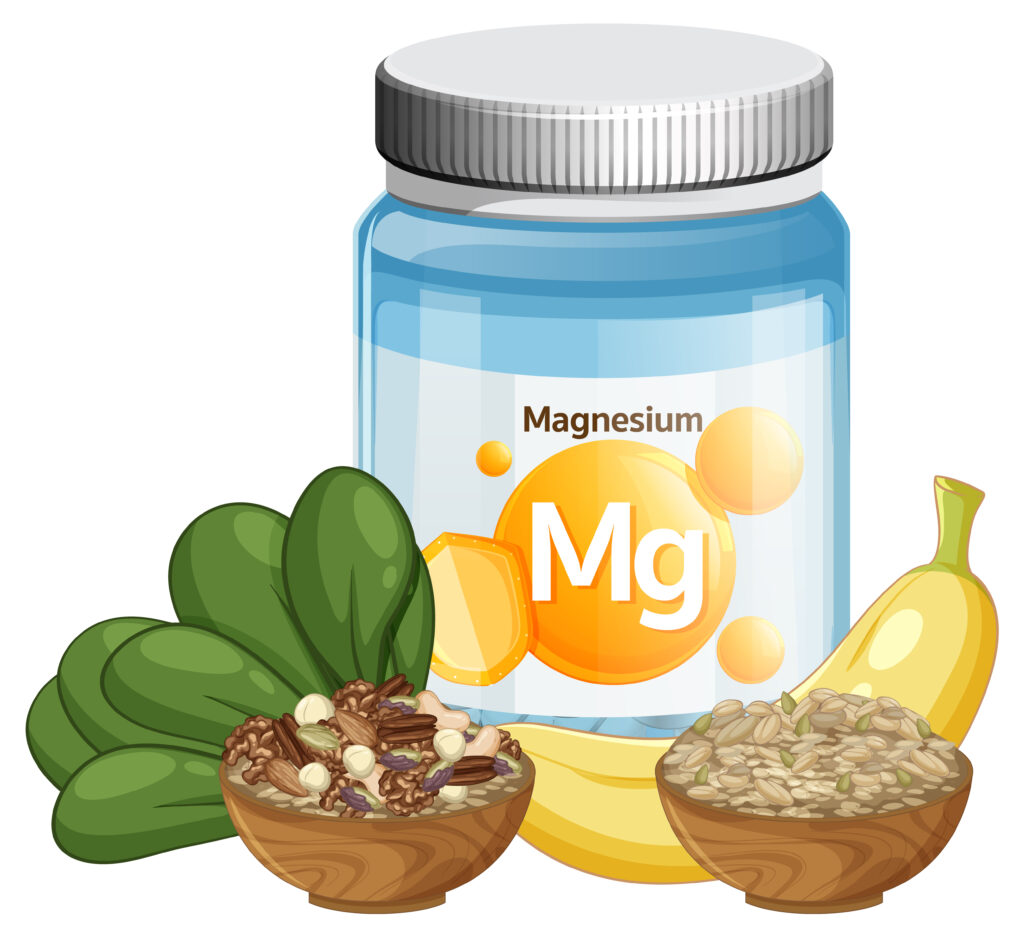
If there is one supplement that feels like a “hug in a bottle,” it’s magnesium. While not a vitamin, this mineral is a mandatory partner for women navigating the stress of their 40s.
The Calming Effect
Magnesium supports the nervous system by regulating GABA, the neurotransmitter responsible for “quieting” the brain. If you find yourself staring at the ceiling at 3 AM with a racing mind, a magnesium deficiency might be the culprit.
Which Form Should You Take?
Magnesium Bisglycinate: The best form for sleep and anxiety. It is highly absorbable and gentle on the stomach.
Magnesium Citrate: Helpful if you struggle with digestive regularity, though it can have a mild laxative effect.
Food Sources for Magnesium (The Relaxing Mineral)
Magnesium is found in the “chlorophyll” of plants, so think green.
- Pumpkin Seeds (Pepitas): One of the highest sources available.
- Dark Leafy Greens: Spinach, Swiss chard, and kale.
- Dark Chocolate: Aim for at least 70% cocoa for a healthy dose of magnesium and antioxidants.
- Legumes: Black beans, lentils, and chickpeas.
3. Vitamin B12: The Energy and Brain Booster
Have you ever walked into a room and forgotten why you were there? While often joked about as “mom brain,” this cognitive lag can be a sign that your B12 levels are dipping.
Absorption Challenges
As we age, our stomachs produce less hydrochloric acid, which is necessary to extract Vitamin B12 from animal proteins. This makes B12 one of the 7 best vitamins for women over 40 because the risk of deficiency increases naturally with every passing year.
Vital Functions:
Red Blood Cell Production: Prevents megaloblastic anemia, which causes profound fatigue.
Nerve Health: Protects the myelin sheath that covers your nerves, preventing tingling in the hands and feet.
Homocysteine Regulation: Lowering homocysteine levels is key to reducing the risk of heart disease—a risk that climbs post-40.
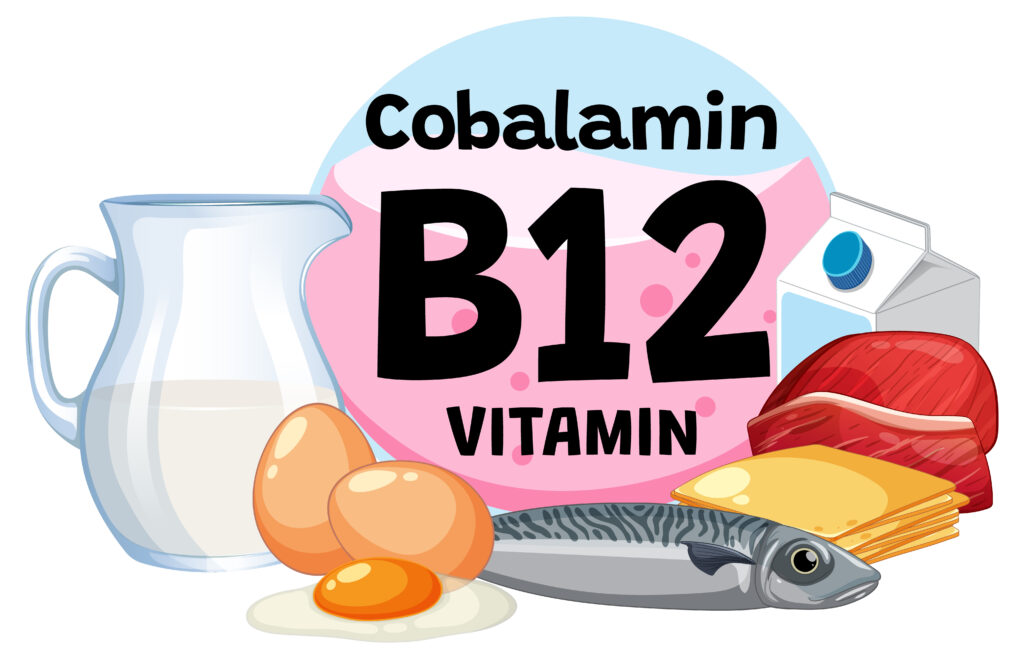
Food sources for Vitamin B12 (The Energy Essential)
B12 is almost exclusively found in animal products, making it a focus for vegetarian or vegan women over 40.
- Shellfish: Clams and mussels are incredibly high in B12.
- Grass-Fed Beef: Provides highly bioavailable B12 and heme iron.
- Dairy: Greek yogurt and cottage cheese.
- Nutritional Yeast: A great vegan source, often fortified with B12.
Looking for simple ways to eat healthier? Discover the 7 healthy eating habits that transformed my daily routine.
4. Vitamin K2: The Traffic Controller for Calcium
You’ve likely heard of Vitamin K for blood clotting, but Vitamin K2 (specifically the MK-7 form) is the unsung hero of women’s heart and bone health.
The Calcium Paradox
Taking calcium without Vitamin K2 can be risky. Without K2, calcium can end up in your arteries (causing calcification) instead of your bones. Vitamin K2 activates a protein called osteocalcin, which “glues” calcium into the bone matrix.
Why It’s Essential:
Arterial Health: It keeps your blood vessels flexible and clear of mineral buildup.
Bone Mineralization: Works synergistically with Vitamin D3 to ensure your skeletal system remains dense and strong.
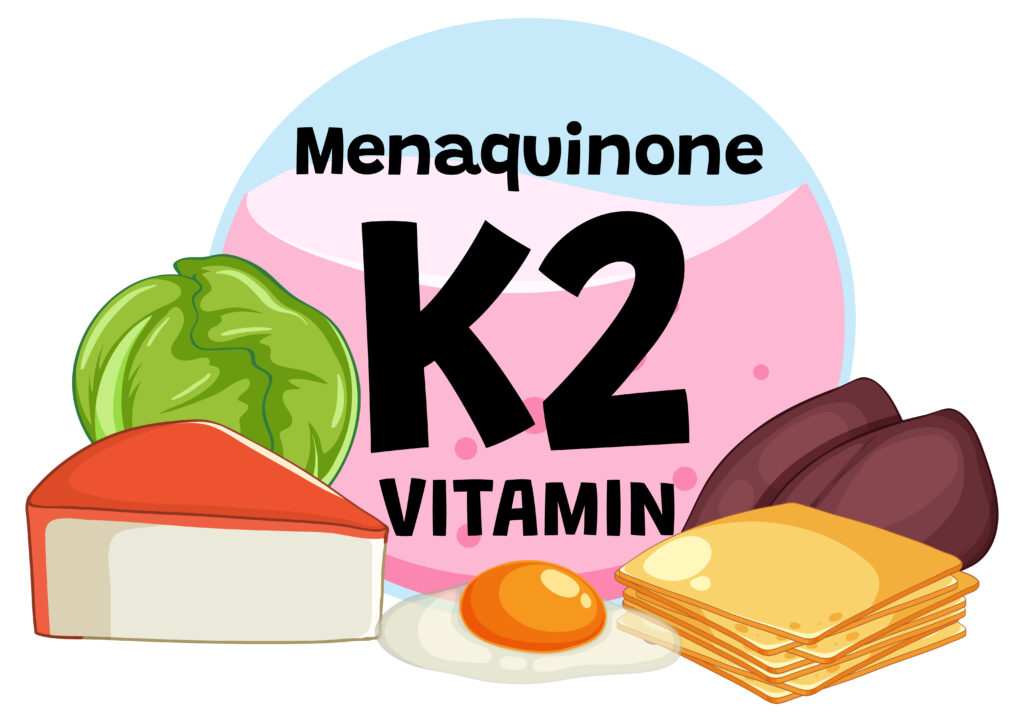
Food sources for Vitamin K2 (The Bone Builder)
Unlike K1 (found in greens), K2 is primarily found in fermented foods and specific animal fats.
- Natto: A fermented soybean dish that is the world’s richest source of K2 (MK-7).
- Hard Cheeses: Gouda and Jarlsberg are particularly high.
- Pasture-Raised Butter: The “grass-fed” component is key to K2 content.
- Sauerkraut: Traditional fermented cabbage provides a modest amount of K2 and probiotics.
5. Omega-3 Fatty Acids (EPA & DHA)
While technically a healthy fat rather than a vitamin, Omega-3s are non-negotiable for the over-40 demographic.
Reducing “Inflammaging”
Chronic, low-grade inflammation—often called “inflammaging“—is a primary driver of age-related diseases. Omega-3s are potent anti-inflammatories.
Heart Health: They help maintain healthy triglyceride levels and blood pressure.
Skin Elasticity: Omega-3s bolster the skin’s lipid barrier, helping to retain moisture and combat the dryness often associated with perimenopause.
Joint Support: They reduce stiffness and “creakiness” in the knees and hips that often begin in this decade.
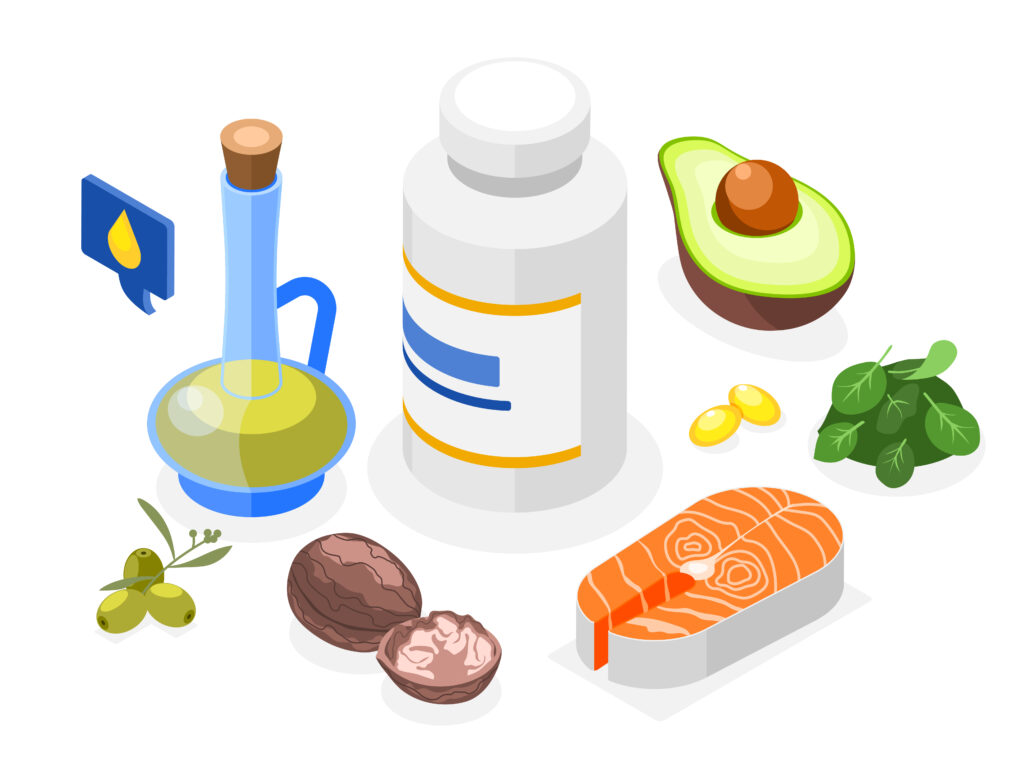
Food Sources for Omega-3 Fatty Acids (The Anti-Inflammatory)
To combat “inflammaging,” focus on marine-based sources for the most potent EPA and DHA.
- Walnuts: Great for ALA (plant-based omega-3), though the conversion to EPA/DHA is low.
- Chia Seeds and Flaxseeds: High in fiber and plant-based healthy fats.
- Anchovies and Sardines: Small fish are lower in mercury and high in healthy oils.
- Algae Oil: The primary source for vegan DHA.
6. Vitamin B6: The Hormone Balancer
If your PMS has suddenly become “PMS on steroids” in your 40s, Vitamin B6 might be your missing link.
Perimenopause Support
B6 plays a vital role in the production of serotonin and dopamine. In your 40s, as progesterone levels drop faster than estrogen (creating estrogen dominance), B6 helps the liver process excess hormones and supports mood stability.
The Benefit Breakdown:
Reduces Bloating: Acts as a mild natural diuretic.
Mental Clarity: Helps synthesize neurotransmitters that keep your focus sharp during a busy workday.
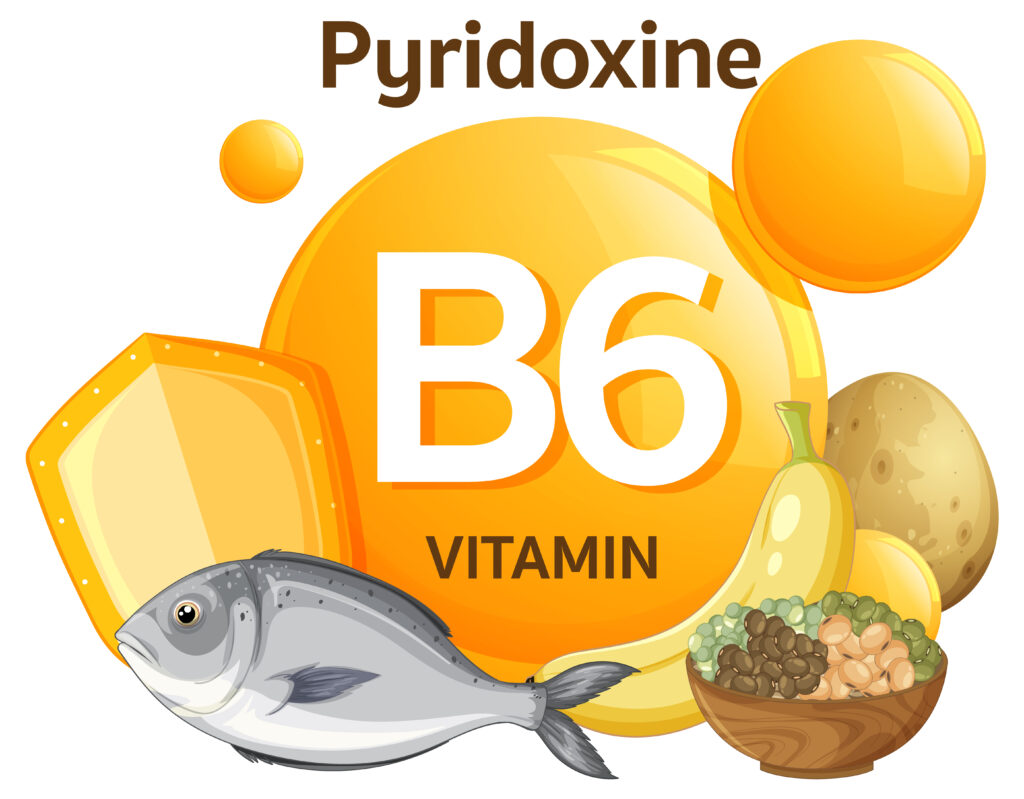
Food sources for Vitamin B6 (The Mood Balancer)
B6 is widely available in both plant and animal foods, making it easy to incorporate into every meal.
- Chickpeas: One of the best plant-based sources.
- Poultry: Chicken and turkey breast.
- Bananas: A convenient, portable source of B6 and potassium.
- Potatoes: Specifically, starchy vegetables like Russet or sweet potatoes.
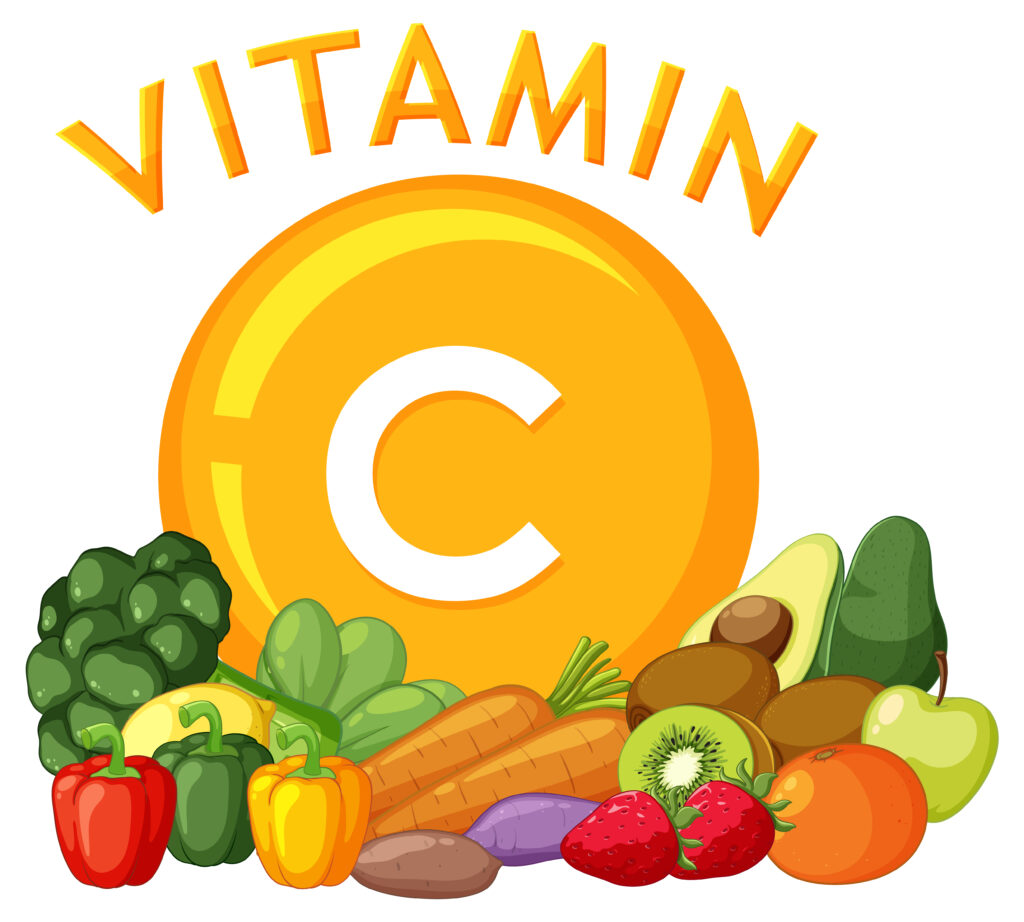
7. Vitamin C: The Collagen Protector
In your 40s, your body’s natural collagen production begins to plummet. While collagen powders are popular, your body cannot actually build collagen without Vitamin C.
More Than an Immunity Booster
Vitamin C is a powerful antioxidant that protects your cells from oxidative stress caused by pollution, UV rays, and metabolic waste.
Skin Health: It promotes the cross-linking of collagen fibers, which keeps skin firm and reduces the appearance of fine lines.
Iron Absorption: If you still have a heavy menstrual cycle, taking Vitamin C with plant-based iron sources (such as spinach) can significantly increase iron absorption.
Food Sources for Vitamin C (The Collagen Catalyst)
Vitamin C is heat-sensitive, so it is best to consume these sources raw or lightly steamed.
- Bell Peppers: Yellow and red peppers actually contain more Vitamin C than oranges.
- Cruciferous Vegetables: Broccoli, Brussels sprouts, and cauliflower.
- Kiwi: Two small kiwis provide over 100% of your daily requirement.
- Berries: Strawberries, raspberries, and blueberries.
Want to know why avocados are considered a superfood? Discover the 12 essential nutrients packed into every bite.
Quick Comparison Table: Nutrient Density
Nutrient | Primary Function for Women 40+ | Top Food Source |
Vitamin D3 | Bone Density & Mood | Wild Salmon |
Magnesium | Sleep & Muscle Cramps | Pumpkin Seeds |
Vitamin B12 | Energy & Brain Health | Clams/Beef |
Vitamin K2 | Heart & Bone Safety | Natto/Aged Cheese |
Omega-3 | Joint & Skin Health | Sardines |
Vitamin B6 | Hormonal Balance | Chickpeas |
Vitamin C | Collagen & Immunity | Bell Peppers |
How to Choose Quality Supplements
Not all vitamins are created equal. When shopping for the 7 best vitamins for women over 40, keep these criteria in mind:
Third-Party Testing: Look for seals from USP, NSF, or Informed-Sport. This ensures the bottle actually contains what the label claims.
Bioavailability: Look for “active” forms, such as Methylcobalamin for B12 and Methylfolate for B9. These are easier for your body to use immediately.
Whole Food vs. Synthetic: Some women find that food-based vitamins are gentler on the digestive system than high-dose synthetic versions.
“Supplementation is not a replacement for a poor diet, but it is a vital insurance policy against the physiological changes of midlife.” — Dr. Elena Rodriguez, Women’s Health Specialist
Ready to make dinner easy? Tap the link and grab your 7-day meal plan now!
Conclusion
Navigating your 40s is a powerful transition, but it requires a new level of self-care. By incorporating the 7 best vitamins for women over 40 into your daily routine, you aren’t just “getting older”—you are getting stronger, sharper, and more resilient. Focus on high-quality ingredients, listen to your body, and consult with a healthcare professional to tailor these suggestions to your unique needs.
If you’re trying to adopt a healthier eating plan, don’t forget to look at a high-protein, anti-inflammatory meal plan
Take the next step: Schedule a blood panel with your doctor this month to check your Vitamin D and B12 levels. Knowledge is the first step toward optimal health!
Frequently Asked Questions (FAQ)
Can I just take a multivitamin?
A high-quality multivitamin can provide a baseline, but they often lack therapeutic doses of Magnesium or Vitamin D3. For women over 40, targeted supplementation based on blood work is usually more effective.
Should I take these vitamins in the morning or at night?
B vitamins and Vitamin C are best taken in the morning for energy. Magnesium is best taken in the evening to support relaxation and sleep quality.
Is iron necessary for women over 40?
It depends on your cycle. If you still have heavy periods, you may need iron. However, once you reach menopause, your iron needs drop significantly. Always test your ferritin levels before supplementing with iron.
Can vitamins help with hot flashes?
Some studies suggest that Vitamin E and Vitamin B6 can help manage the severity of hot flashes, though they work best when combined with lifestyle changes like reducing caffeine and alcohol.
How long does it take to feel a difference?
Nutrient levels don’t change overnight. Most women report feeling a shift in energy or mood after 4–8 weeks of consistent supplementation.
Gut health is the foundation of overall wellness. Here’s why The Ultimate Guide to Gut Health: Foods, Habits, and Natural Healing