
Table of Contents
Plant based diabetic diet approaches are becoming increasingly popular—and for good reason. They can help stabilize blood sugar, improve energy levels, support weight management, and even lower the risk of chronic complications. But while a plant-focused lifestyle offers amazing benefits, it’s not automatically healthy. Many people unknowingly make simple mistakes that can lead to sugar spikes, cravings, nutrient deficiencies, and frustration.
Below are the eight most common mistakes to avoid on a plant based diabetic diet, along with practical tips to help you stay on track without feeling restricted or overwhelmed.
To read more articles, visit https://healthywithayesha.com/
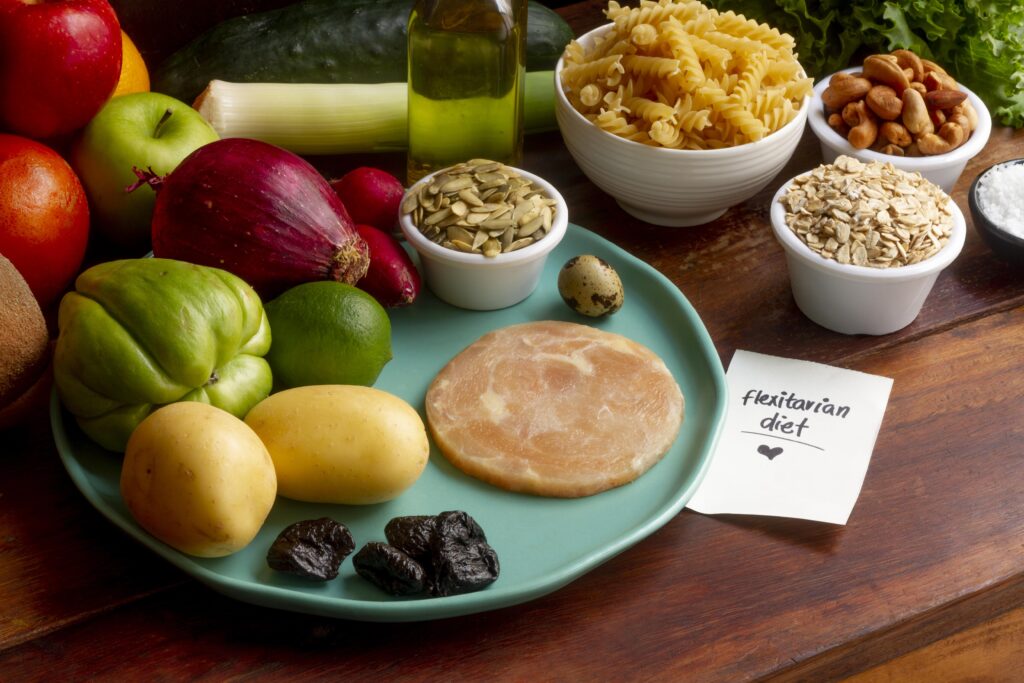
Not Eating Enough Protein
One of the biggest challenges people face on a plant based diabetic diet is getting enough high-quality protein. When your meals are mostly vegetables, fruits, and grains, you may accidentally skip the protein your body needs to stabilize blood sugar. Protein slows digestion, reduces sugar spikes, helps you feel full longer, and supports muscle health—all crucial for diabetes management.
Without adequate protein, meals digest too quickly, leading to hunger, cravings, and unstable glucose levels. You might even start overeating carbs simply because your meals don’t satisfy you.
Great plant-based protein sources include:
Lentils
Chickpeas
Black beans
Tofu & tempeh
Edamame
Seitan
Hemp seeds
Quinoa
Chia seeds
Try including protein in every meal and snack. For example, add chickpeas to salads, tofu to stir-fries, quinoa to bowls, or hemp seeds to smoothies. Simple changes like these keep your blood sugar steady and ensure you’re getting well-rounded nutrition.
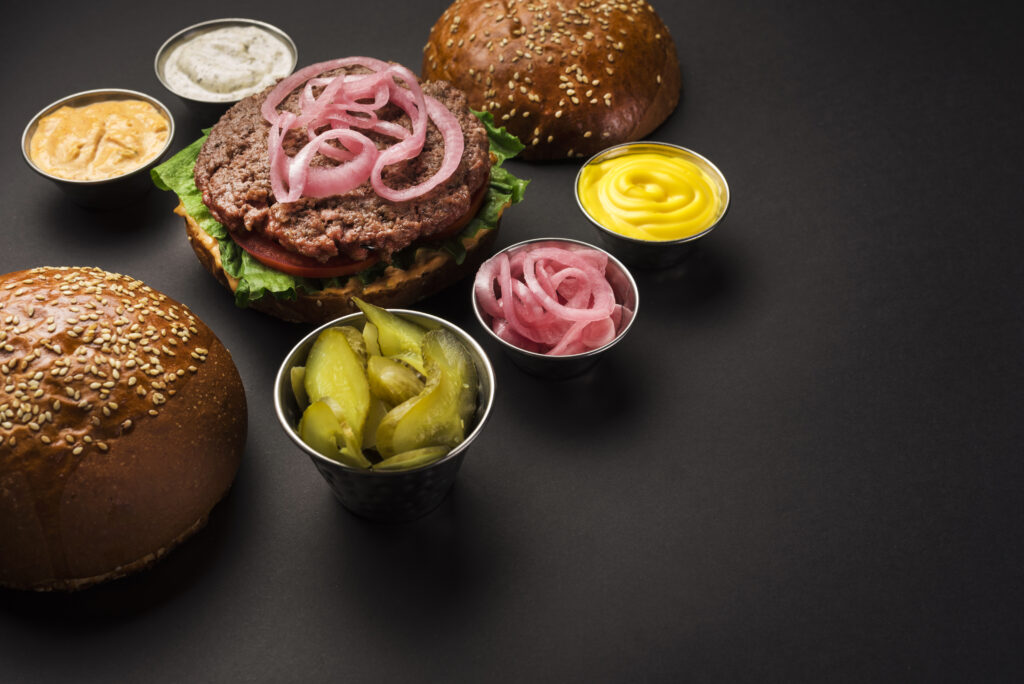
Relying Too Much on Processed Plant Based Foods
Something is not necessarily healthy just because it is labelled as “plant based,” particularly for diabetics.
Many people switch to a plant based diet and fill their carts with vegan nuggets, plant based burgers, sugary oat milk, packaged snacks, and highly processed meat substitutes.
These products are often:
High in refined carbs
Packed with added sugars
Loaded with unhealthy oils
Very low in fiber
This combination can cause blood sugar spikes, inflammation, and weight gain.
Instead, focus on whole-food options such as:
Beans and legumes
Nuts and seeds
Whole grains
Fresh vegetables and fruits
Homemade plant based meals
A whole-food-focused approach keeps your diet clean, simple, and naturally blood-sugar-friendly.
Ignoring Carbohydrate Quality and Quantity
Carbs aren’t the enemy—but the wrong carbs, in the wrong amounts, definitely are.
Many plant based foods are carb-heavy, and without watching portions, you may eat more than your body can handle at once. Even healthy carbs like brown rice, sweet potatoes, or whole-grain pasta can affect blood sugar if consumed in excess.
Carbohydrates fall into two categories:
Slow-digesting carbs (whole grains, legumes, vegetables) → steady energy
Fast-digesting carbs (white bread, sugary drinks, pastries) → sugar spikes
Instead of cutting carbs altogether (which many people mistakenly try), learn to balance and portion them. Combine carbs with:
Protein
Fiber
Healthy fats
This slows digestion and keeps blood glucose stable throughout the day.
Beat dehydration in the tastiest way — your 8 low-sugar drink ideas are just one click away!”
Skipping Healthy Fats
Another common mistake on a plant based diabetic diet is avoiding fats altogether. Many people fear fats because they assume fat equals weight gain. But healthy fats are essential—especially for diabetics.
They help:
Stabilize blood sugar
Increase satiety
Improve nutrient absorption
Reduce inflammation
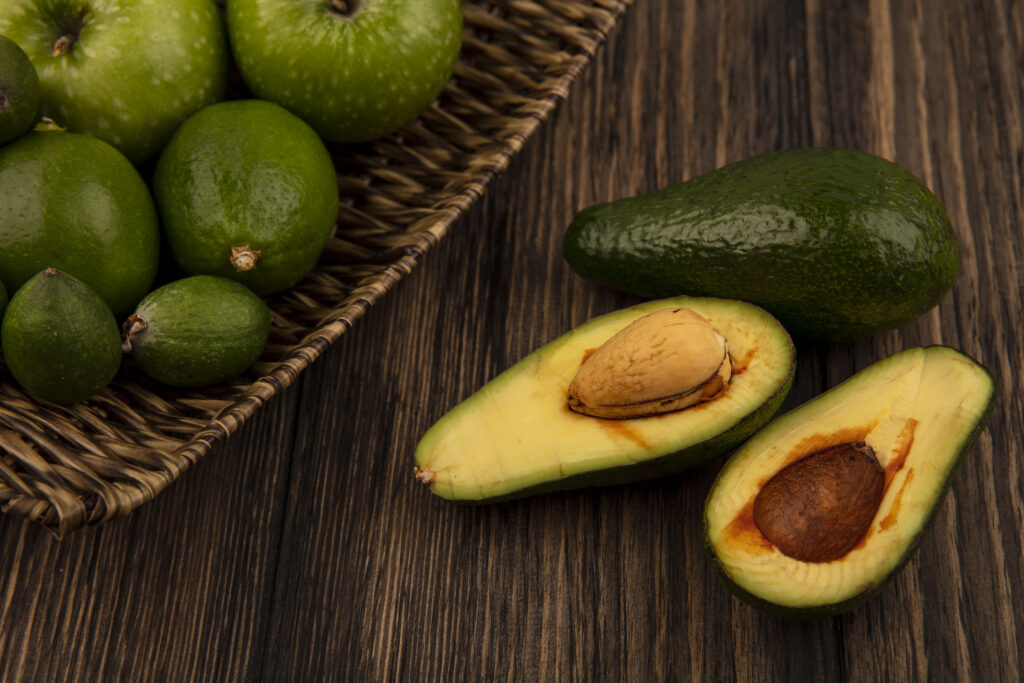
Great plant-based fats include:
Avocados
Extra-virgin olive oil
Nuts and nut butters
Seeds
Flaxseed and chia
Coconut in moderation
Adding a handful of nuts, a drizzle of olive oil, or sliced avocado to your meals can dramatically improve how your blood sugar responds.
Avoiding All Carbs Out of Fear
Some diabetics go plant based and immediately cut out all carbohydrates, thinking it will solve their blood sugar issues. But eliminating all carbs isn’t sustainable—or healthy.
Your brain needs glucose to function, and whole-food carbohydrates provide essential vitamins, minerals, and fiber your body depends on.
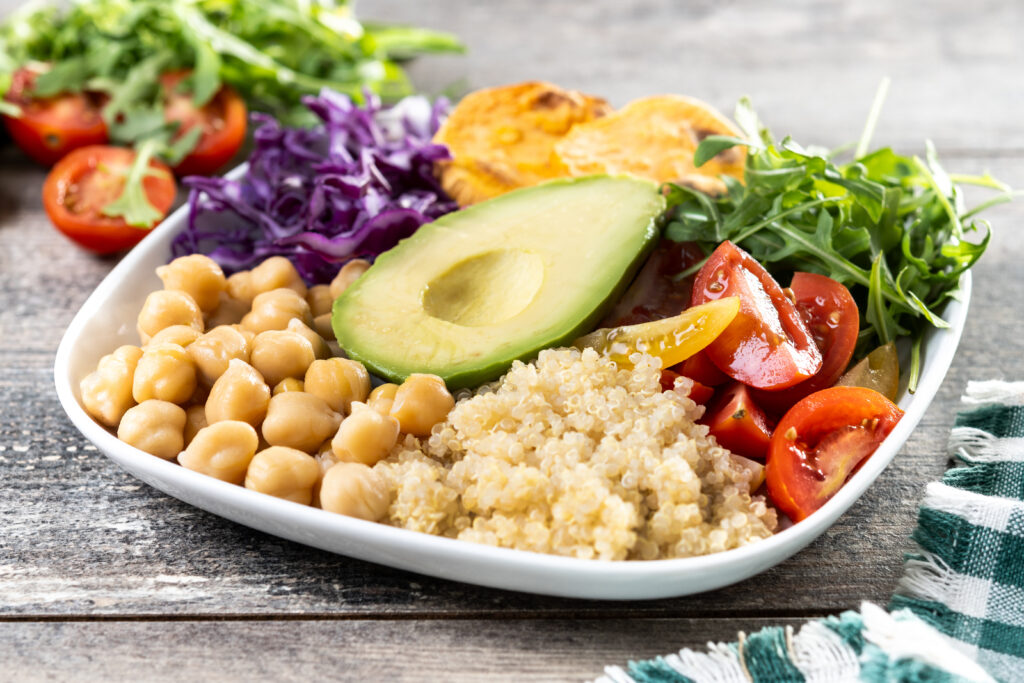
The key is choosing slow-digesting, nutrient-rich carbs, such as:
Quinoa
Oats
Lentils
Chickpeas
Berries
Non-starchy vegetables
Instead of fearing carbs, embrace them in balanced portions. Pair carbs with protein and fats to keep your meals stabilizing instead of spiking your glucose.
Not Planning Meals Properly
A plant based diabetic diet requires some planning to maintain stable blood sugar. Without planning, you may end up grabbing high-carb snacks, skipping meals, or relying on processed foods.
Good meal planning helps you:
Control your macros
Avoid sugar crashes
Stay consistent
Prevent overeating
Plan simple meals like:
Breakfast: oatmeal with chia, berries, and almond butter
Lunch: quinoa bowl with tofu, broccoli, and tahini
Dinner: lentil stew with vegetables
Even preparing ingredients in advance—like cooked beans or chopped veggies—can make plant based eating easier and more sustainable.
Neglecting Fiber Intake
Fiber is one of the most powerful tools for managing diabetes, and plant based diets naturally provide it—if you’re eating whole foods. But if your meals rely on refined grains or processed snacks, you’re missing out.
Fiber helps:
Slow digestion
Reduce sugar spikes
Feed gut bacteria
Improve cholesterol
Increase fullness
High-fiber foods include:
Lentils
Beans
Broccoli
Chia seeds
Whole grains
Leafy greens
Berries
Aim for 25–35 grams of fiber per day, spread across meals.
Failing to Monitor Blood Sugar Regularly
Even with a clean plant based diet, regular monitoring is essential. Every body reacts differently to foods, and what keeps one person’s glucose stable may spike another’s.
Tracking your numbers helps you:
See which meals work best
Adjust carb portions
Identify trigger foods
Stay in control of your progress
Continuous glucose monitors (CGMs) can provide real-time feedback, but traditional finger-stick testing works well too. Consistency is what matters.
Conclusion
A plant based diabetic diet can be one of the most powerful ways to support your health, reduce blood sugar fluctuations, and boost your overall well-being. But like any eating plan, it requires awareness and balance. By avoiding these eight common mistakes—like skipping protein, relying on processed foods, ignoring carbs, or forgetting healthy fats—you’ll set yourself up for long-term success.
Focus on whole foods, balanced meals, good planning, and consistent monitoring. With the right approach, a plant based diet can become a sustainable, energizing, and blood-sugar-friendly lifestyle.
If you’re trying to adopt a healthier eating plan, don’t forget to look at a high-protein, anti-inflammatory meal plan
FAQs
1. Is a plant based diet good for diabetics?
Yes, when done correctly, it can improve insulin sensitivity, reduce sugar spikes, and promote weight loss.
2. Can plant based diets reverse diabetes?
Some studies show improved insulin resistance and even remission, but it depends on long-term consistency and lifestyle factors.
3. Do plant based diabetics need supplements?
You may need B12, omega-3, vitamin D, or iron, depending on your diet. Consult a healthcare provider.
4. Are plant based meat substitutes okay for diabetics?
Occasionally, yes, but whole foods are always better because processed substitutes often contain sodium, oils, and additives.
5. Can I eat fruit on a plant based diabetic diet?
Absolutely—choose low-glycemic fruits like berries and apples and pair them with protein or fats.