
Table of Contents
Are you one of those people whose periods are irregular, painful, or unpredictable? Also, they are facing mood swings, acne, or hormonal weight gain.
Then, Seed cycling is one of the most natural and affordable ways to balance hormones.
These seeds are commonly found in your kitchen.
INTRODUCTION
Hormonal imbalances affect millions of women — whether it’s irregular periods, PCOS, mood swings, or acne. Many women are turning to food-based healing methods instead of pills and chemicals. One such natural and increasingly popular practice is called Seed Cycling.
But what is seed cycling exactly? Can a few tablespoons of seeds actually impact your hormones?
Let’s break it down.
What is Seed Cycling?
Seed cycling, a natural wellness practice that involves eating specific seeds during different phases of the menstrual cycle. Which was used for hundreds of years, but it’s recently gain popularity as influencers, social media, and human wellness brands have begun sharing the details. This ancient practice claims to serve as a natural means of balancing a woman’s hormones such as, estrogen and progesterone, the two primary female sex hormones.In the result it reduces the symptoms of premenstrual syndrome (PMS), menopause, polycystic ovary syndrome (PCOS), and endometriosis.
Each group of seeds is rich in nutrients that are believed to gently encourage the body’s own hormonal rhythm — without synthetic hormones or side effects.
But does it actually safe to use? And what does it take to do it? Join us as we dig into the research.
How Do Hormones Work in the Female Body?
Phase
Follicular
Luteal
Days
Dominant Hormone
Progesterone
Body’s Goal
Hormonal imbalances can cause:
- Irregular or painful periods
- Acne or weight gain
- Fertility struggles
- Mood disorders (like anxiety, irritability)
How Does Seed Cycling Work?
The actual idea behind seed cycling is to rotate specific seeds during each phase of your menstrual cycle it helps to promote healthy hormone levels in your body.
Phase 1: Follicular (Day 1 to 14)
The main focus of this phase is to boost estrogen naturally and detox excess hormones. Seeds:
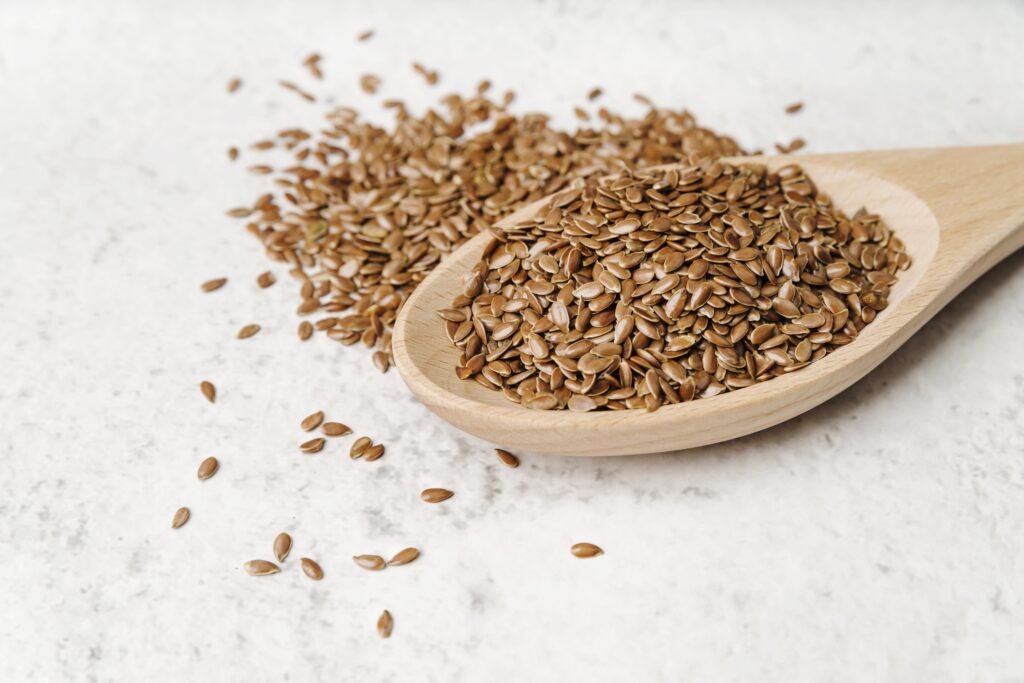
- 1 tablespoon Flaxseeds (rich in lignans – balance estrogen)
- 1 tablespoon Pumpkin seeds (zinc – supports estrogen metabolism)
Phase 2: Luteal (Day 15 to 28)
The focus of this phase is to support progesterone production
Seeds:
- 1 tablespoon Sesame seeds (lignans + calcium)
- 1 tablespoon Sunflower seeds (selenium + vitamin E)
If your periods are irregular or missing, you can follow the moon cycle:
- New moon to full moon → Phase 1
- Full moon to new moon → Phase 2
How Seeds Influence Hormones
Here’s how these super seeds can influence your hormonal health:
- Flaxseeds
Flaxseeds are rich in lignans, compounds that bind excess estrogen and promote hormone balance.
Source: Thompson et al., Am J Clin Nutr, 1996
- Pumpkin Seeds
High in zinc, which helps the body convert cholesterol into hormones.
Zinc also supports FSH and LH, hormones needed for ovulation.
- Pumpkin Seeds
Source: Biological Trace Element Research, 2015
- Sunflower Seeds
Packed with selenium and vitamin E, both essential for liver detox and progesterone production.
Source: National Institutes of Health (NIH)
- Sesame Seeds
Also rich in lignans and calcium, it helps manage PMS symptoms and regulate hormones.
How to Start Seed Cycling – Step by Step
- Track your cycle (or follow the moon if irregular)
- Grind your seeds weekly for freshness and better absorption
- Consume 1 tbsp of each seed daily, depending on the phase
- Ways to add seeds:
- Mix in smoothies or yogurt
- Stir into oatmeal
- Add to roti or paratha dough
- Sprinkle on salads or soups
Remember: Store ground seeds in airtight jars in the fridge
Benefits of Seed Cycling (What Women Report)
Thousands of women around the world and in Pakistan have found relief using this simple practice.
Reported benefits include:
- More regular cycles
- Less PMS, bloating, and breast tenderness
- Better skin, fewer hormonal breakouts
- Improved mood, sleep, and energy
- Support for PCOS, perimenopause, and fertility
Things to Keep in Mind
- Seed cycling is not a quick fix – give it at least 2–3 months
- Always grind your seeds for bioavailability
- Use organic/raw seeds if possible
- If you’re under medical treatment (thyroid, fertility, etc.), consult your doctor
✅ FAQs – Seed Cycling for Hormone Balance
Is seed cycling worth it?
Unfortunately, this is not a 100 % cure of hormonal imbalance, actually it gives natural and gentle support to your body to return to balance. However, seeds are a healthy part of a balanced diet, and they’re rich in fiber, protein, and essential vitamins and minerals.
What is seed cycling?
Seed cycling is a natural method of supporting hormonal balance by eating specific seeds (flax, pumpkin, sunflower, and sesame) during different phases of the menstrual cycle.
How does seed cycling work?
Seed cycling works by providing essential nutrients and healthy fats that support estrogen and progesterone production, helping regulate menstrual cycles and improve hormonal health.
Which seeds are used in seed cycling?
Follicular Phase (Day 1–14): Flax seeds & pumpkin seeds (boost estrogen).
Luteal Phase (Day 15–28): Sunflower seeds & sesame seeds (support progesterone).
Can seed cycling help with irregular periods or PCOS?
Many women report improvements in irregular periods, PMS symptoms, and PCOS-related hormonal imbalances, but scientific research is still limited.
How long does it take to see results with seed cycling?
Most women notice changes in 3–6 months, but consistency and a healthy diet are key for the best results.
Can men try seed cycling?
Yes, men can consume these seeds for overall health, but seed cycling specifically targets female hormonal balance.
Are there any side effects of seed cycling?
Generally, it’s safe for most people, but those with seed allergies or digestive issues should consult a nutritionist or doctor before starting.
Let food be your first medicine. Begin today, and stay consistent.
Final Thoughts
Your body is always trying to return to balance. With seed cycling, you’re simply giving it the support it needs — gently and naturally.