
Table of Contents
Introduction:
Meal prepping doesn’t just save time—it saves stress, money, and even your health. Imagine starting the week knowing that every dinner is already halfway done. That’s the power of a solid Sunday meal prep plan. In this guide, we’ll walk through how to prepare all the essentials for a week of Easy Main Dish Recipes, so your weeknight dinners take 15–20 minutes max without sacrificing flavor or nutrition.
To read more articles, visit https://healthywithayesha.com/
Why Sunday Meal Prep is a Game-Changer
Cooking from scratch every night can feel overwhelming—especially after a long day. That’s where meal prep comes in. By setting aside 90 minutes on Sunday, you can:
Cut down chopping and cooking time each night.
Reduce decision fatigue (no more “What’s for dinner?” stress).
Save money by avoiding last-minute takeout.
Ensure your family gets balanced, homemade meals.
Think of it as investing one hour to gain seven relaxed evenings.
Step 1: Organize and Wash Everything
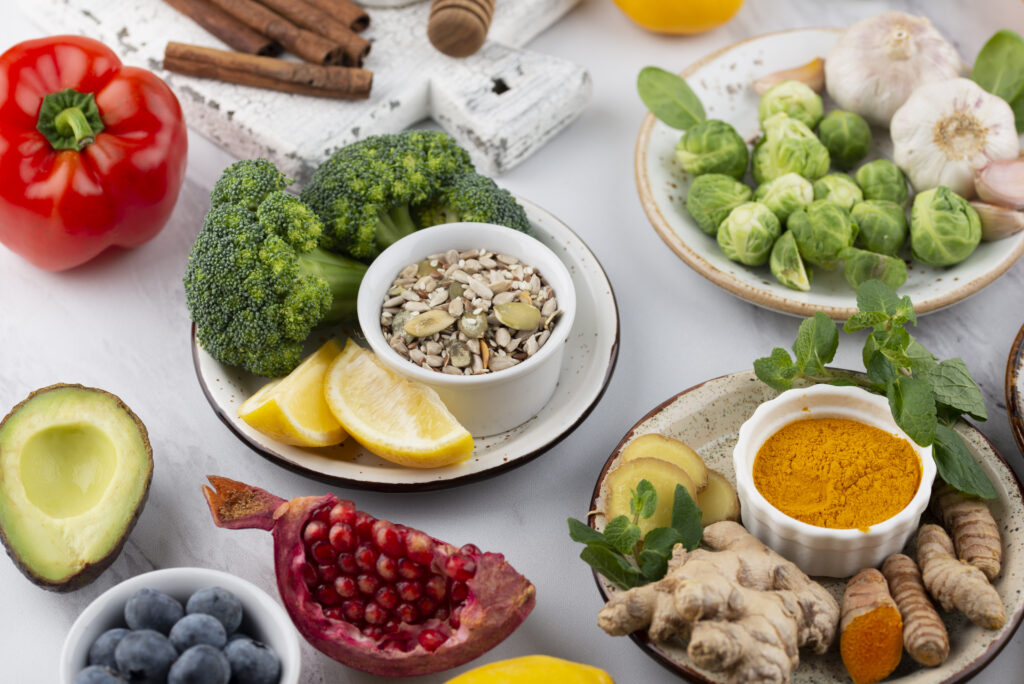
Before chopping, cooking, or freezing, get everything in place.
Lay out all proteins, veggies, grains, and pantry items from your shopping list.
Wash produce in one go—rinse spinach, herbs, peppers, and carrots.
Pat proteins dry so they’re ready for seasoning or freezing.
Pro tip: Use labeled containers or bags for each recipe (e.g., “Day 2 Stir-Fry Veggies,” “Day 3 Taco Toppings”). This makes weeknight cooking as simple as grab-and-go.
Step 2: Prep the Proteins
Proteins usually take the longest to cook, so prepping them first saves a huge amount of time.
Chicken (4 lbs):
Slice half into strips for stir-fry and teriyaki bowls.
Leave the other half as whole breasts for baked dishes.
Store in freezer bags with labels (e.g., “Day 2 Stir-Fry Chicken”).
Ground Beef (2 lbs):
Brown 1 lb with onions and taco seasoning (for tacos). Refrigerate.
Brown 1 lb with garlic and onions (for spaghetti Bolognese). Freeze in a labeled container.
Shrimp (1 lb):
Peel and devein if needed. Store raw in an airtight container with a paper towel.
Salmon & Tilapia (4 fillets each):
Pat dry, season lightly with salt and pepper, wrap in parchment, and freeze individually.
Chickpeas (4 cans):
Drain, rinse, and refrigerate in a large airtight container.
Step 3: Chop All Veggies at Once
Chopping is the biggest time-waster on busy nights. Do it in bulk.
Onions (3): Dice and store in a sealed container.
Garlic (12 cloves): Mince and store submerged in olive oil in a small jar.
Bell Peppers (2): Slice for stir-fry and omelets.
Carrots (2): Dice for Bolognese.
Mushrooms (½ cup) + Spinach (1 cup): Store together for omelet night.
Tomatoes (4): Dice for tacos and fresh salsa.
Herbs (parsley, dill, basil): Wash, dry, and wrap in paper towels to stay fresh.
Pro tip: Pre-label containers by recipe so you don’t waste time guessing.
Step 4: Cook Grains & Carbs
Cooking grains in advance saves 20–30 minutes during the week.
Rice (2 cups uncooked): Cook, then divide into two containers (for stir-fry and teriyaki bowls).
Quinoa (1 cup uncooked): Cook for salmon night.
Spaghetti (10 oz for shrimp pasta): Cook now, toss with olive oil, and refrigerate. (Leave Bolognese pasta to cook fresh on Day 7.)
Step 5: Pre-Mix Sauces & Bases
Homemade sauces save money and cut weeknight hassle.
Stir-Fry Sauce: Mix soy sauce, garlic, and ginger in a jar.
Teriyaki Sauce: Pre-measure into a container.
Curry Base: Combine curry powder, garlic, onion, and coconut milk in a container. Add chickpeas later.
Taco Toppings: Prep salsa, shred lettuce, and grate cheese in advance.
Your stress-free week starts here — click to get the full shopping list!”
Balancing Nutrition in Your Weekly Meal Plan
Meal prep isn’t just about convenience—it’s also a great opportunity to improve your nutrition. When you plan your meals ahead of time, you have full control over ingredients, portion sizes, and overall balance.
Start by focusing on portion control. Prepping meals in individual containers makes it easier to avoid overeating, since each box is already portioned out. If weight management is one of your goals, this method works wonders.
Next, make sure each meal has a balance of
- protein
- fiber
- healthy fats.
For example, grilled chicken with brown rice and broccoli covers protein and carbs, but adding avocado or olive oil ensures you’re getting good fats. This combination helps keep you full longer and prevents energy crashes.
Another simple hack for better nutrition is to sneak in extra veggies. Roast a big tray of colorful vegetables on Sunday and add them to different meals throughout the week. You’ll boost your vitamin intake without extra prep time.
Finally, variety matters. Eating chicken and broccoli every single day might hit your macros, but your body also needs a wide range of nutrients. Mix in different proteins like fish, eggs, beans, and tofu, and rotate your vegetables seasonally.
By balancing portions, macros, and variety, your Sunday meal prep can be both delicious and incredibly nourishing.
Your 7-Day Dinner Made Easy
Here’s how prep pays off each night:
Day 1: Garlic Butter Shrimp Pasta → Just cook shrimp and toss with pre-cooked pasta.
Day 2: Chicken Stir-Fry → Add prepped chicken strips, veggies, and stir-fry sauce.
Day 3: Beef Tacos → Reheat beef, assemble tacos with prepped toppings.
Day 4: Baked Salmon with Dill → Bake frozen salmon, serve with quinoa.
Day 5: Chickpea Curry → Heat curry base, add chickpeas and rice.
Day 6: Teriyaki Chicken Bowl → Reheat chicken and rice, mix with sauce.
Day 7: Spaghetti Bolognese → Reheat beef base, boil fresh pasta, combine.
Each meal takes 15–25 minutes max thanks to your Sunday prep.
“Discover how protein supports your goals in our detailed post on 10 easy main dish recipes you can make in under 30 minutes.”
Common Mistakes to Avoid in Meal Prep
Like anything, meal prep comes with a learning curve. If you want to set yourself up for success, it helps to know the common mistakes beginners make—and how to avoid them.
One big mistake is prepping too much food at once. If you cook seven days’ worth of meals on Sunday, chances are by Friday, your food will be less than appetizing. Instead, prep for 3–4 days at a time, then do a quick mid-week refresh.
Another trap is making the same meals every single week. While sticking to familiar recipes is easy, it quickly leads to boredom and burnout. Rotate your proteins, try new spices, and keep experimenting with recipes to stay motivated.
Food safety is another area where people slip up. Improper storage can make meals spoil faster or even cause illness. Always store food in airtight containers, keep your fridge at the right temperature, and don’t leave meals sitting out for too long.
Finally, avoid the “all-or-nothing” mindset. Some people give up on meal prep if they can’t cook everything perfectly in one session. But meal prep doesn’t have to be rigid—sometimes just cooking your protein ahead of time is enough to save you loads of stress during the week.
Learning from these mistakes makes your prep routine smoother, safer, and far more enjoyable.
How to Stay Consistent with Sunday Meal Prep
Starting meal prep is one thing—sticking with it is another. Many people dive in with enthusiasm, only to give up after a few weeks. The secret to long-term success is making meal prep a realistic, sustainable part of your lifestyle.
First, establish a weekly routine. Pick a set time every Sunday for your prep session, whether it’s morning after breakfast or evening before dinner. Treat it like a non-negotiable appointment, just like going to the gym or attending a meeting.
Second, set realistic goals. You don’t have to prep all three meals for seven days right from the start. Begin with just lunches or dinners, then expand as you get more comfortable. Small wins keep you motivated.
Third, keep track of your progress and results. Notice how much money you’re saving, how much healthier you’re eating, or how much time you’ve gained in your evenings. These benefits reinforce why you started in the first place.
And don’t forget flexibility. Life happens, and some weeks you might not have time for a full prep session. That’s okay—prep just your proteins or chop your veggies ahead of time. Even partial prep makes a big difference.
Consistency isn’t about being perfect every week—it’s about finding a rhythm that fits your lifestyle and sticking to it long-term.
Meal Prep for Special Diets and Lifestyles
The beauty of Sunday meal prep is that it can be tailored to any diet or lifestyle. Whether you’re keto, vegan, or just trying to eat more protein, prepping ahead makes it easier to stick to your goals.
- For low-carb and keto diets, focus on proteins like chicken, salmon, ground beef, and eggs, paired with low-carb veggies such as zucchini, cauliflower, and leafy greens. Meals like cauliflower rice stir-fry or zucchini noodle bowls are perfect for prepping.
- For those on a plant-based or vegan diet, beans, lentils, quinoa, tofu, and chickpeas should be your go-to proteins. Try prepping dishes like lentil curry, chickpea salad bowls, or quinoa-stuffed peppers. These meals are hearty, filling, and packed with nutrients.
- If you’re an athlete or someone focused on high-protein meals, prep dishes like grilled chicken breast with sweet potatoes, turkey chili, or salmon with quinoa. Adding boiled eggs, Greek yogurt, and protein shakes to your plan ensures you meet your protein goals.
Meal prep is incredibly flexible—just swap ingredients to match your needs. The key is knowing your dietary goals and planning recipes that align with them.
“Looking for more meal ideas? Check out our guide on a healthy lifestyle Diet.”
Conclusion: Cook Smarter, Not Harder
This Sunday Meal Prep Guide for Easy Main Dish Recipes ensures you’ll breeze through the week with healthy, home-cooked meals in half the time. By organizing, chopping, pre-cooking, and storing smartly, you transform hectic weeknights into stress-free dinners.
Think of meal prep as your weekly gift to yourself: work once, eat well all week.
FAQs
1. How long can meal prep meals last in the fridge?
Most cooked meals last 3–4 days in the fridge. If you’re prepping for a whole week, freeze the second half and thaw as needed.
2. What are the best containers for meal prep?
Glass containers with airtight lids are best. They’re durable, easy to clean, and safe for reheating.
3. How do I keep meals from getting soggy?
Store sauces and dressings separately, and reheat proteins and veggies differently to preserve texture.
4. Can I meal prep for more than one week at a time?
Yes, but freezing is necessary. Cook in bulk, freeze in portions, and thaw when needed.
5. What’s the fastest way to get started with meal prep?
Start small—prep just one meal, like lunches, for 3 days. As you build confidence, expand to other meals.
It’s about eating wholesome, satisfying meals that naturally keep your calorie intake in check while fueling your body with essential nutrients. You can check Low-Calorie Recipes for Weight Loss.