
Table of Contents
Gut health is one of those topics people usually ignore—until their body forces them to pay attention. Bloating after meals, low energy, poor digestion, frequent illness, stubborn weight gain, or even anxiety often start in the gut. Your digestive system does far more than break down food; it plays a key role in
- immunity
- hormones
- skin health
- mental well-being.
This guide to gut health is written to feel supportive, realistic, and easy to understand. No extreme diets. No complicated science. Just clear information, nourishing foods, and daily habits that help your gut heal naturally and sustainably.
To read more articles, visit https://healthywithayesha.com/
What Is Gut Health?
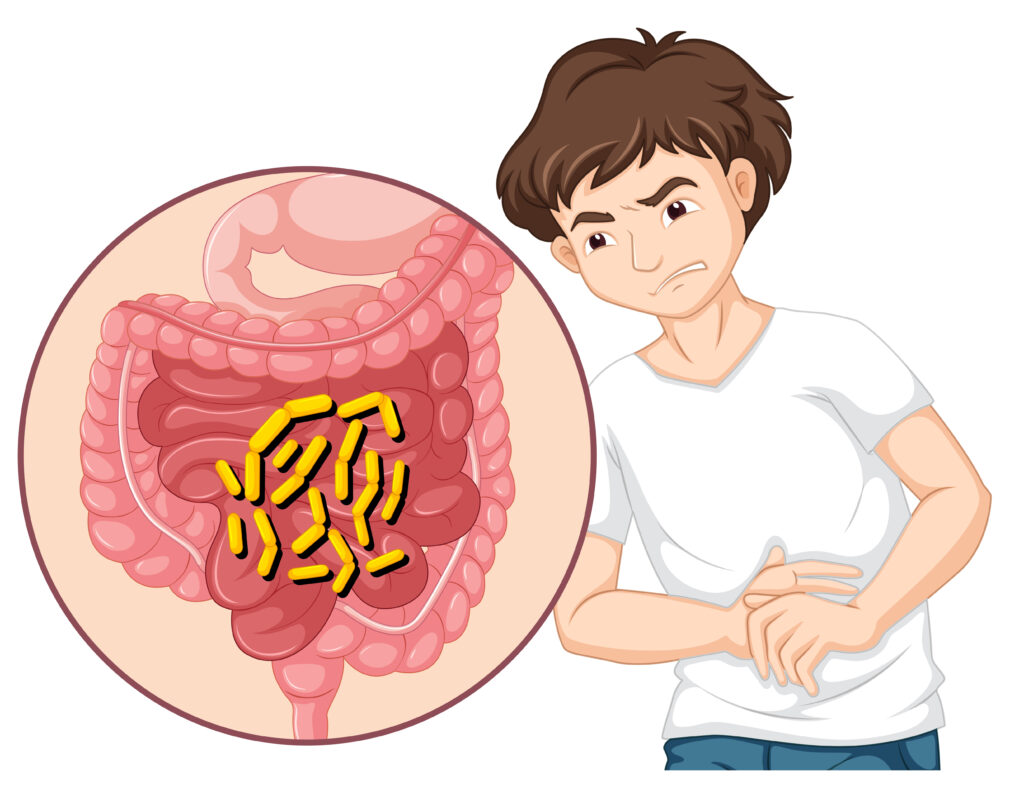
The state of your digestive tract and the balance of your gut flora are referred to as gut health. The gut microbiome is made up of trillions of microorganisms that live inside your intestines. These bacteria help digest food, absorb nutrients, regulate inflammation, and protect against harmful pathogens.
A healthy gut has a diverse balance of good bacteria. When that balance is disrupted—due to stress, poor diet, illness, or medications—digestive issues and whole-body symptoms can appear.
Gut health is not about having a “perfect stomach.” It’s about balance, resilience, and how well your body adapts and heals.

Why Gut Health Is the Basis of Total Well-Being
Your gut affects nearly every system in your body. Around 70% of your immune system is located in your gut, making it a major defense center. When gut health suffers, immunity weakens, inflammation rises, and the body becomes more vulnerable.
The Gut–Brain Connection
Your gut and brain are constantly communicating through the nervous system. The gut produces most of the body’s serotonin—the hormone responsible for mood and emotional balance. That’s why digestive problems often come with anxiety, brain fog, or low mood.
When you support gut health, many people notice better sleep, improved focus, and more stable emotions.
Signs Your Gut Health Is Poor
Digestive symptoms are the most obvious signs, including bloating, gas, constipation, diarrhea, acid reflux, and food sensitivities. However, gut health issues often manifest in unexpected ways.
You might notice
- frequent fatigue
- sugar cravings
- weakened immunity
- acne
- eczema
- headaches
- difficulty concentrating.
These symptoms are often normalized, but they are signals that your gut needs support.
If you’re trying to adopt a healthier eating plan, don’t forget to look at a high-protein, anti-inflammatory meal plan
Foods for Gut Health That Support Natural Healing
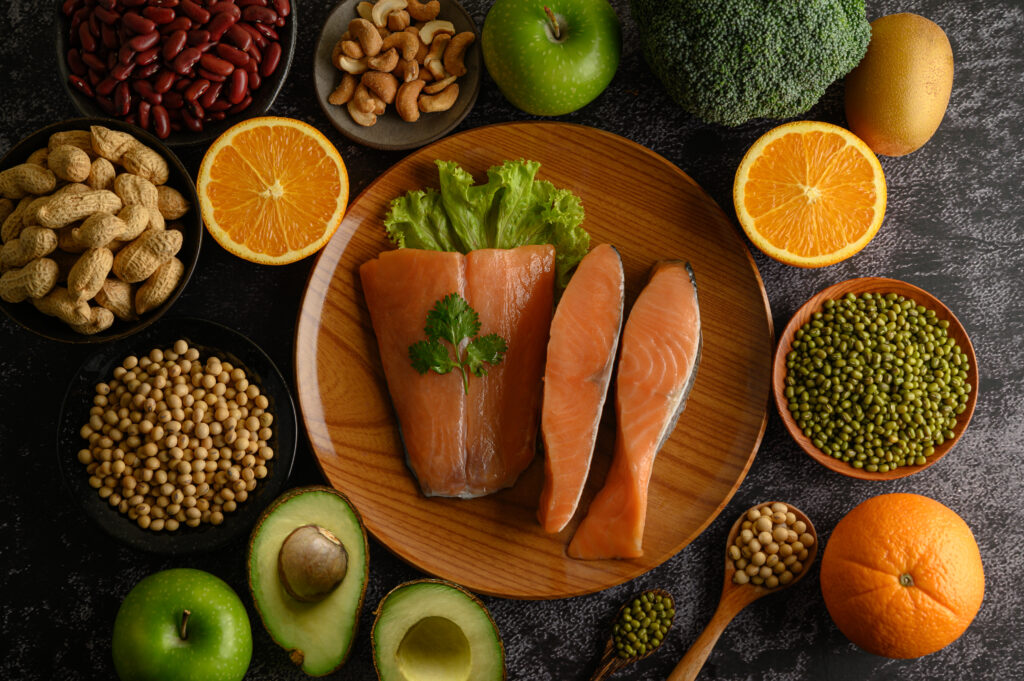
What you eat daily plays the biggest role in gut health. Nourishing foods feed beneficial bacteria and strengthen the gut lining.
Fiber-Rich Foods
Fiber acts as food for good gut bacteria. Vegetables, fruits, oats, seeds, legumes, and whole grains are essential foods for gut health. Apples, berries, leafy greens, flaxseeds, and lentils are excellent choices.
Fermented Foods
Fermented foods introduce beneficial bacteria into your gut. Yogurt with live cultures, kefir, sauerkraut, kimchi, and fermented vegetables help restore balance. Start slowly to avoid bloating.
Healthy Fats
Good fats shield the lining of the stomach against inflammation. Olive oil, avocado, nuts, seeds, and fatty fish support digestion and nutrient absorption.
Protein Sources
Protein helps repair tissues and maintain digestive enzymes. Eggs, fish, legumes, lean meats, and plant proteins are gentle on the gut when prepared simply.
Foods That Damage Gut Health
Highly processed foods, refined sugar, artificial sweeteners, and excessive alcohol disrupt gut bacteria balance. These foods feed harmful bacteria, increase inflammation, and weaken digestion.
This doesn’t mean perfection is required. Gut health improves through consistency—not restriction. Reducing harmful foods most of the time is enough to support healing.
Daily Habits That Improve Gut Health Naturally
- Your lifestyle is equally as important as your diet. Eating slowly, chewing well, and avoiding meals during stress improves digestion significantly.
- Sleep plays a major role in gut health. Inflammation is increased, and gut flora are disturbed by insufficient sleep. Aim for consistent, restful sleep.
- Stress management is essential. Chronic stress weakens digestion and damages the gut lining. Gentle movement, prayer, breathing exercises, journaling, or quiet walks help calm the nervous system.
- Hydration supports fiber digestion and regular bowel movements. In the morning, warm water can be very beneficial.
Gut Health for Women
Women’s gut health is closely linked to hormones. Estrogen and progesterone influence digestion, while gut bacteria help regulate hormone balance. Poor gut health can worsen PMS, hormonal acne, bloating, and fatigue.
Supporting gut health with fiber, fermented foods, and stress reduction often leads to better hormone balance and improved energy levels.
How Much Time Does Gut Healing Take?
Gut healing is a gradual process. Some people feel improvements in digestion within weeks, while deeper healing may take months. The timeline depends on consistency, lifestyle, and overall health.
The goal isn’t speed—it’s sustainability. Small daily changes create long-lasting results.
Ready to make dinner easy? Tap the link and grab your 7-day meal plan now!
Simple Steps to Start Improving Gut Health Today
Start small.
- Add more vegetables
- Drink more water
- Reduce sugar slightly
- prioritize sleep
- Introduce fermented foods slowly
- manage stress intentionally.
Listen to your body. Gut health is personal, and awareness is the most powerful tool for healing.
Final Thoughts: A Sustainable Approach to Gut Health
Gut health is the foundation of long-term wellness. When your gut is supported, digestion improves, immunity strengthens, and mental clarity follows. This guide to gut health is not about rules—it’s about nourishment, balance, and self-care.
By choosing the right foods for gut health and building supportive daily habits, you allow your body to heal naturally. Your gut works for you every day—caring for it is one of the most powerful investments you can make in your health.
FAQs
1. What is gut health, and why is it important?
Gut health refers to how well your digestive system works and how balanced your gut bacteria are. A healthy gut supports digestion, immunity, hormone balance, mental health, and nutrient absorption. When gut health is poor, it can affect your entire body—not just your stomach.
2. What are the best foods for gut health?
The best foods for gut health include fiber-rich vegetables, fruits, whole grains, legumes, fermented foods like yogurt and sauerkraut, and healthy fats such as olive oil and nuts. These foods feed beneficial bacteria and help maintain a balanced gut microbiome.
3. How long does it take to improve gut health naturally?
Some people notice improvements in digestion and bloating within a few weeks, while deeper gut healing can take several months. Consistency with healthy eating, stress management, sleep, and hydration is key to long-term gut health.
4. Can poor gut health affect mental health?
Yes. The gut and brain are closely connected. An unhealthy gut can contribute to anxiety, low mood, brain fog, and poor sleep. Improving gut health often leads to better emotional balance and mental clarity.
5. What are common signs of poor gut health?
Common signs include bloating, gas, constipation, diarrhea, acid reflux, food sensitivities, frequent fatigue, skin issues, low immunity, and sugar cravings. These symptoms often improve when gut health is supported.
6. Are probiotics necessary for gut health?
Probiotics can be helpful, but they are not always necessary. Many people can improve gut health by regularly consuming fermented foods and fiber-rich meals. Supplements may be useful in certain cases, such as after antibiotics.
7. How does stress affect gut health?
Chronic stress disrupts digestion by reducing blood flow to the gut and altering gut bacteria balance. Managing stress through sleep, gentle exercise, breathing practices, and relaxation supports better gut function.
8. Is gut health especially important for women?
Yes. Gut health plays a key role in hormone balance, PMS, energy levels, and skin health. Supporting gut health can help improve hormonal symptoms and overall well-being in women.
9. Can gut health improve immunity?
Absolutely. Since most of the immune system is located in the gut, a healthy gut helps protect against infections and reduces inflammation, leading to stronger overall immunity.
10. What is the easiest way to start improving gut health today?
Start with small changes: eat more vegetables, drink enough water, reduce sugar intake, eat slowly, and prioritize sleep. Even one or two daily improvements can make a noticeable difference over time.
“Healthy, hearty, and oh-so-delicious! Click to grab the recipes for 10 easy soups that make weight loss feel effortless.”
Pingback: 10 Worst Foods for Gut Health You Should Limit Immediately