
Every day, health issues rarely need dramatic solutions. A sore throat, mild nausea, or occasional constipation usually responds well to simple, consistent care. And often, the most effective support comes from your kitchen—not your medicine cabinet.
To read more articles, visit https://healthywithayesha.com/
Research confirms that certain foods actively support digestion, reduce inflammation, and help the body recover naturally. The secret is to use them consistently and appropriately.
This expanded guide dives deeper into 15 powerful food remedies, explaining not just what works but how and why it works, along with practical ways to use each remedy effectively.
1. Honey and Warm Water for Sore Throat

Why It Works
Honey acts as a natural demulcent, meaning it coats and soothes irritated throat tissues. It also contains antimicrobial compounds that may help reduce bacterial activity. The World Health Organization (WHO) supports honey for soothing cough and throat irritation.
How to Use It Properly
- Mix 1 tablespoon of raw or natural honey into a cup of warm (not hot) water
- Sip slowly, allowing it to coat your throat
- Use 2–3 times daily
Extra Tips
- Add a few drops of lemon for vitamin C and flavor
- Avoid very hot water, as it may reduce honey’s beneficial properties
Best For
- Dry throat
- Mild infections
- Night-time irritation
2. Ginger Tea for Nausea

Why It Works
Ginger contains compounds like gingerol that support digestion and help calm the stomach. We recognize ginger as an effective natural option for nausea, especially mild cases.
How to Use It Properly
- Slice 1–2 inches of fresh ginger root
- Boil in water for 10 minutes
- Strain and drink warm
Extra Tips
- Sip slowly instead of drinking quickly
- Combine with a small meal if nausea comes from an empty stomach
Best For
- Motion sickness
- Morning nausea
- Indigestion
3. Bananas for Acid Reflux

Why It Works
Bananas have low acidity and a soft texture, which makes them easy on the stomach lining. They may help neutralize stomach acid and reduce irritation.
How to Use It Properly
- Eat one ripe banana between meals
- Stay away from excessive eating as this might lead to bloating.
Extra Tips
- Pair with oatmeal for better digestive support
- Avoid unripe bananas if you have sensitive digestion
Best For
- Mild heartburn
- Acid reflux prevention
- This remains one of the simplest and most accessible acid reflux food remedies.
4. Oatmeal for Acid Reflux

Why It Works
Oatmeal absorbs stomach acid and provides soluble fibre, which improves digestion and prevents sudden acid spikes.
How to Use It Properly
- Cook oats with water or low-fat milk
- Avoid adding sugar or high-fat toppings
Extra Tips
- For natural sweetness, add berries or banana slices.
- To decrease reflux throughout the day, eat first thing in the morning.
Best For
- Chronic mild acid reflux
- Digestive balance
5. Peppermint Tea for Headaches

Why It Works
Peppermint helps relax muscles and may improve blood circulation. It often helps reduce tension-related headaches.
How to Use It Properly
- In boiling water, steep tea bags or peppermint leaves.
- Drink slowly in a calm environment
Extra Tips
- Inhale the steam for added relaxation
- Avoid if you experience acid reflux, as peppermint may trigger it
Best For
- Tension headaches
- Stress-related discomfort
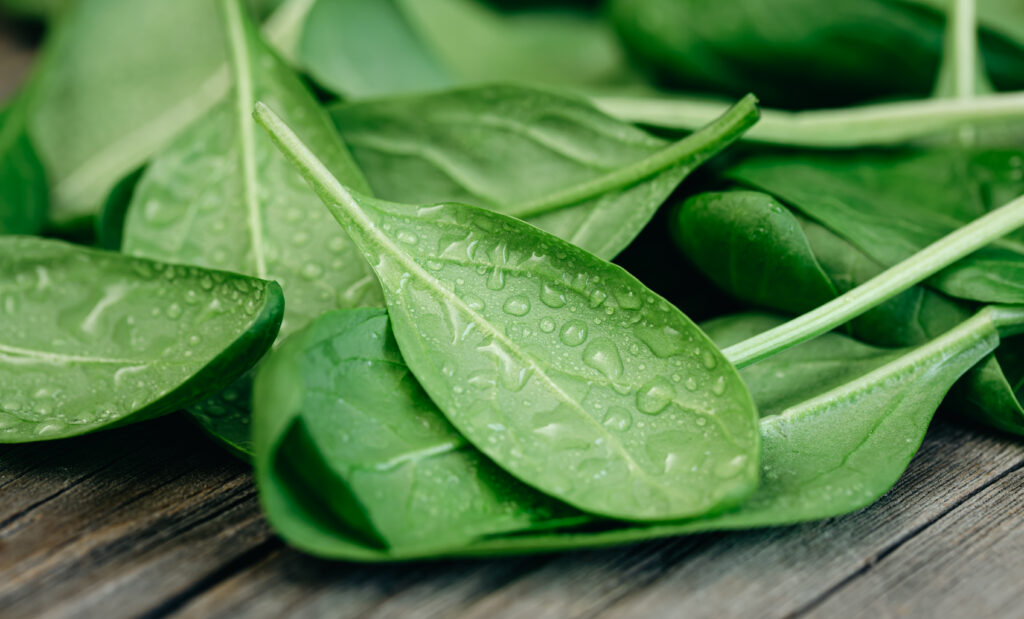
6. Spinach for Headache Relief
Why It Works
Spinach provides magnesium, a mineral linked to nerve function and muscle relaxation. Low magnesium levels are often associated with headaches.
How to Use It Properly
- Add fresh spinach to smoothies, salads, or cooked meals
- For improved absorption, combine with meals high in vitamin C.
Extra Tips
- Include regularly in your diet rather than using it once
- Pair with nuts or seeds for added nutrients
Best For
- Recurring headaches
- Nutritional support
Want to know why avocados are considered a superfood? Discover the 12 essential nutrients packed into every bite.
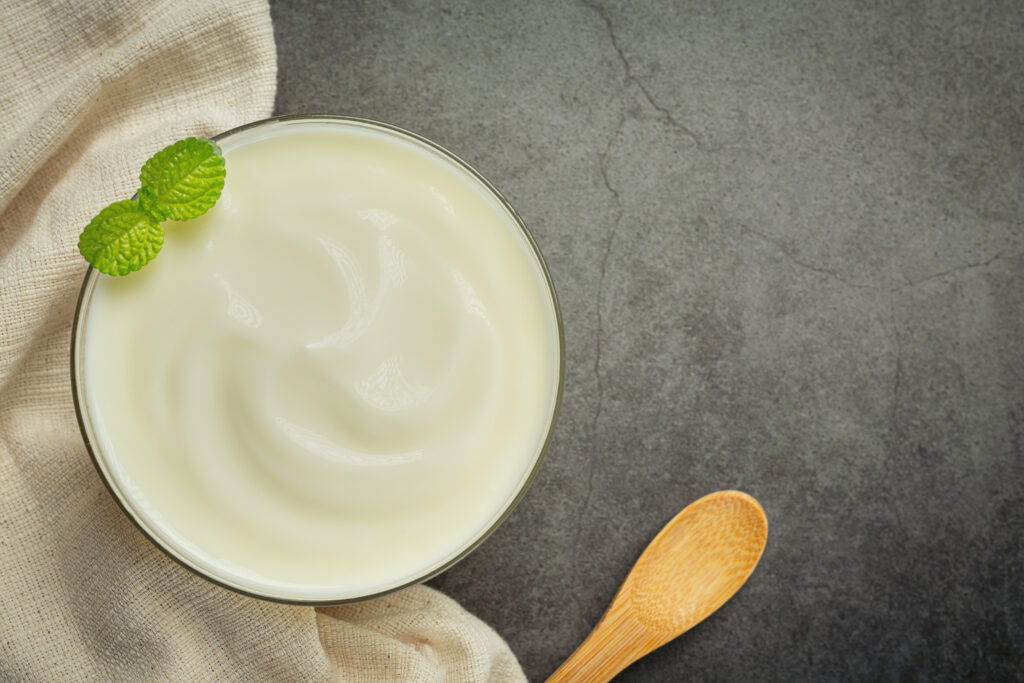
7. Yogurt for Gut Health and Digestion
Why It Works
Yogurt contains probiotics—beneficial bacteria that support gut balance. A healthy gut reduces bloating, gas, and mild digestive issues.
How to Use It Properly
- Choose plain, unsweetened yogurt
- Eat once daily, preferably after meals
Extra Tips
- Avoid flavored yogurts with added sugar
- Combine with fruit for natural sweetness
Best For
- Digestive imbalance
- Mild stomach discomfort
8. Apples for Constipation

Why It Works
Apples contain pectin, a soluble fibre that supports bowel movement and gut health.
How to Use It Properly
- Eat apples with skin for maximum fibre
- Drink water alongside for a better effect
Extra Tips
- Consume in the morning for better digestion throughout the day
- Avoid processed apple products like juices
Best For
- Mild constipation
- A reliable and simple constipation food remedy.
9. Prunes for Constipation

Why It Works
Prunes contain sorbitol, which helps draw water into the intestines and soften stool.
How to Use It Properly
- Eat 3–5 prunes daily
- Drink plenty of water
Extra Tips
- Start with small amounts to avoid discomfort
- Combine with fibre-rich foods
Best For
- Occasional constipation
10. Rice and Toast for Nausea

Why It Works
Bland foods reduce stomach irritation and are easy to digest. This approach aligns with clinical recommendations for managing nausea.
How to Use It Properly
- Eat small portions of plain rice or toast
- Avoid butter or heavy toppings
Extra Tips
- Eat slowly
- Stay hydrated
Best For
- Upset stomach
- Food-related nausea
- A trusted choice among food remedies for nausea.
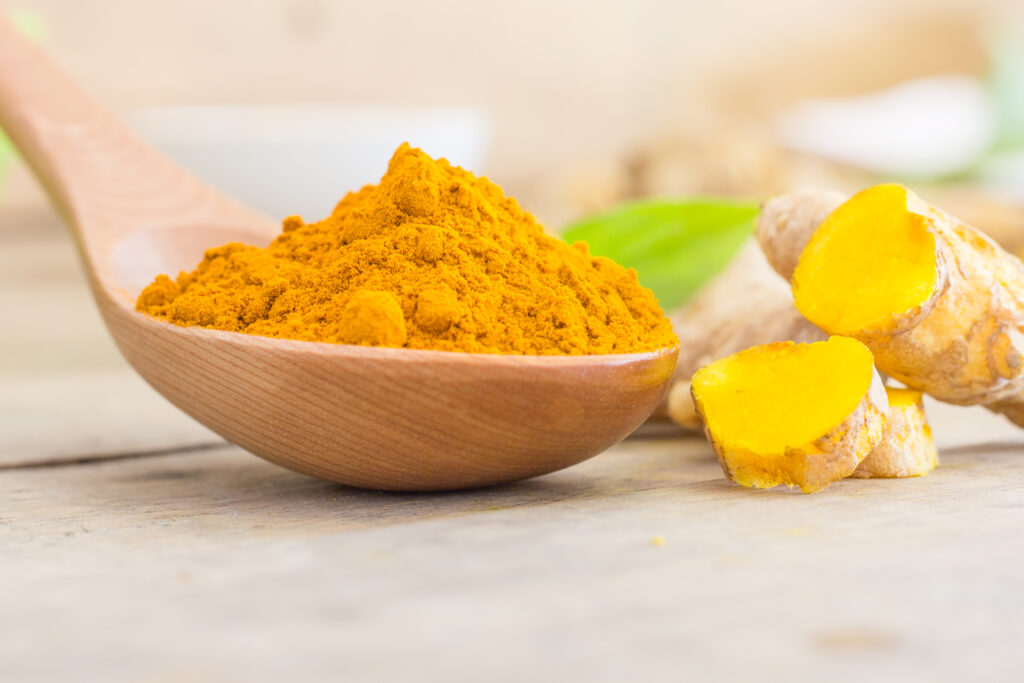
11. Turmeric Milk for Inflammation
Why It Works
Curcumin, which has anti-inflammatory qualities, is found in turmeric. Harvard Health highlights its role in managing inflammation.
How to Use It Properly
- Add ½ teaspoon turmeric to warm milk
- Stir well and drink before bed
Extra Tips
- Add black pepper to improve absorption
- Use regularly for best results
Best For
- Body aches
- Mild inflammation
12. Lemon Water for Digestion

Why It Works
Lemon stimulates digestive enzymes and supports hydration, which improves overall digestion.
How to Use It Properly
- Add fresh lemon juice to warm water
- Drink in the morning
Extra Tips
- Use a straw to protect the enamel of your teeth
- Avoid if you have severe acid reflux
Best For
- Mild digestive issues
13. Almonds for Heartburn

Why It Works
Almonds contain healthy fats that may help balance stomach acid levels.
How to Use It Properly
- Eat a small handful (8–10 almonds)
- Chew thoroughly
Extra Tips
- Avoid salted or flavored almonds
- Do not overconsume
Best For
- Mild heartburn
14. Chamomile Tea for Relaxation and Headaches

Why It Works
Chamomile has calming properties that reduce stress, a common headache trigger.
How to Use It Properly
- Brew tea for 5–7 minutes
- Drink before bedtime
Extra Tips
- Combine with good sleep habits
- Avoid excessive intake
Best For
- Stress headaches
- Sleep-related issues
15. Coconut Water for Hydration
Why It Works
Coconut water provides electrolytes like potassium, which support hydration and prevent headaches caused by dehydration.
How to Use It Properly
- Drink fresh coconut water
- Consume after physical activity or illness
Extra Tips
- Avoid sweetened packaged versions
- Use as a hydration booster, not a replacement for water
Best For
- Dehydration
- Fatigue
Final Thoughts
These food remedies for sore throat, acid reflux food remedies, food remedies for nausea, headache food remedies, and constipation food remedies offer practical, everyday solutions backed by trusted health guidance.
They don’t promise instant miracles. Instead, they support your body naturally, reduce symptoms, and improve overall well-being when used consistently.
Smart health choices don’t have to be complicated. Sometimes, the simplest solutions work best.
FAQs – Food Remedies for Common Health Problems
1. Do food remedies really work for common health problems?
Yes, food remedies can help manage mild health issues like sore throat, nausea, constipation, and acid reflux. Trusted sources confirm that certain foods support digestion, reduce inflammation, and promote natural healing. However, they work best for minor conditions and not as a replacement for medical treatment.
2. How quickly do food remedies show results?
Some remedies, like honey for a sore throat or ginger for nausea, can provide relief within hours. Others, such as fibre-rich foods for constipation, may take a day or two. Consistency plays a key role in seeing lasting results.
3. Are food remedies safe for daily use?
Most food remedies are safe when used in normal amounts as part of a balanced diet. Foods like oats, yogurt, fruits, and herbal teas can be included daily. Avoid excessive intake, as overconsumption may lead to unwanted side effects.
4. Can food remedies replace medications?
No, food remedies should not replace prescribed medications, especially for chronic or severe conditions. They act as supportive measures to improve symptoms and overall health. Always consult a healthcare professional if symptoms persist.
5. Which food remedies are best for digestive issues?
For digestion, some of the most effective options include:
Ginger for nausea
Yogurt for gut health
Oats for acid reflux
Apples and prunes for constipation
These foods help improve digestion naturally and support gut balance.