
We live in a culture obsessed with what we eat. From low-carb keto structures to plant-forward plant plates, grocery carts are under constant scrutiny. However, modern nutritional science indicates that changing when you eat can be just as revolutionary as changing what is on your fork. Enter time-restricted eating.
While many people view this practice as a temporary tool to shed a few pounds, the true scope of intermittent fasting benefits extends far into cellular biology, neurological health, and systemic longevity. Fasting does not simply restrict calories; it flips an evolutionary metabolic switch that optimizes your entire physical system.
To read more articles, visit https://healthywithayesha.com/
In this deep dive, we explore 8 surprising benefits of intermittent fasting that demonstrate how structured eating windows can fundamentally upgrade your health. Whether you seek sharper mental clarity or a sturdier cardiovascular profile, this approach offers an evidence-backed roadmap to long-term vitality.
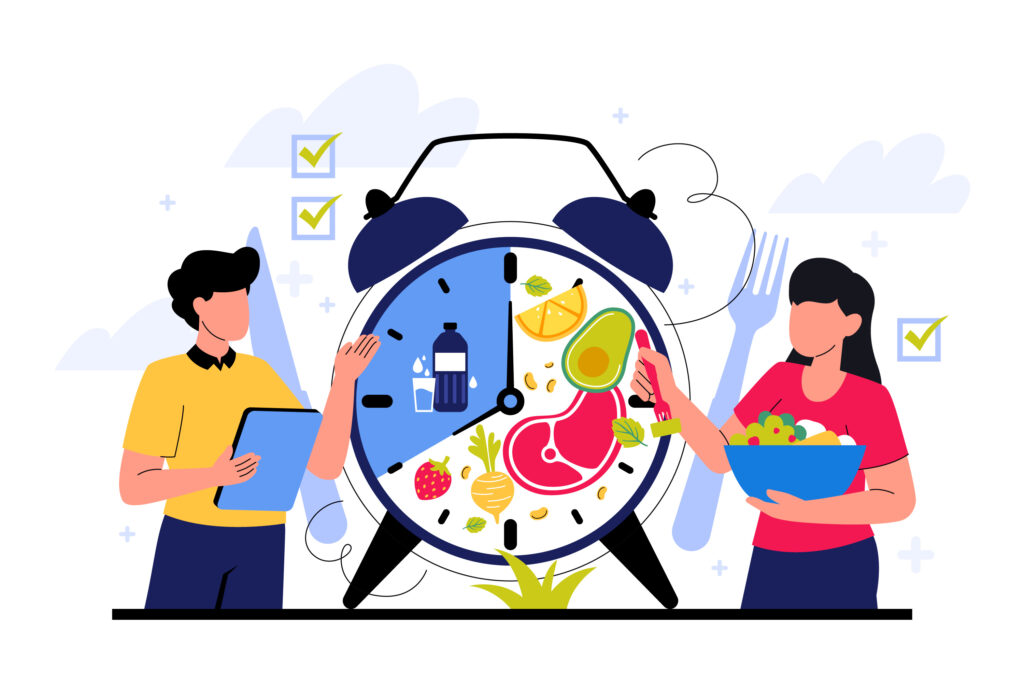
The Metabolic Switch: Benefits of intermittent fasting in the Body
Before uncovering the hidden advantages, we must examine the underlying physiology. When you eat throughout the day, your body relies on glucose from food for its primary energy supply. Excess glucose gets packed away in the liver and muscle tissues as glycogen or stored as body fat.
Learn how proper hydration supports healthy weight loss and boosts your metabolism. How Much Water Should You Drink Each Day?
When you stop eating for an extended window—typically 12 to 16 hours—your body burns through its available glycogen reserves. Once those stores run dry, your metabolism undergoes a profound shift called metabolic switching. Your liver begins converting stored fatty acids into molecules called ketones, which serve as an incredibly efficient fuel source for your brain and muscles.
According to data compiled by Johns Hopkins Medicine, this metabolic transition catalyzes cellular defense mechanisms that shield your organs against chronic issues. It moves your body out of a constant state of storage and into a highly coordinated state of repair.
1. Accelerated Cellular Clean-Up (Autophagy)
Think of your cells like a busy restaurant kitchen. Over time, metabolic waste, damaged proteins, and dysfunctional cellular components accumulate. If you never close the kitchen for a deep clean, performance plummets.
The Self-Cleaning Mechanism:
Fasting triggers a vital biological process known as autophagy. Autophagy, which comes from the Greek words meaning “self-eating,” is your body’s internal recycling system. When external nutrients disappear during a fast, your cells look inward for survival. They systematically seek out, break down, and clear away damaged cellular machinery and old proteins.
The Connection to Longevity:
Autophagy keeps your body’s tissues functioning properly by removing this cellular debris. This constant cellular rejuvenation is a primary reason why researchers are so interested in how intermittent fasting impacts aging and longevity.
2. Enhanced Brain Health and Mental Focus
Many people assume that going hours without a meal leads to crushing brain fog. In reality, once your body adapts to an eating window, you will likely experience a sharp surge in cognitive clarity and focus.
The Power of Ketones:
Your brain loves ketones. Unlike glucose, which can cause erratic energy spikes and crashes, ketones provide a steady, long-lasting stream of fuel to your neurons.
Brain-Derived Neurotrophic Factor (BDNF):
Fasting acts as a positive environmental stressor that stimulates the production of a crucial protein called Brain-Derived Neurotrophic Factor (BDNF). Consider BDNF to be your brain cells’ fertiliser.
- It plays a foundational role in promoting the growth of entirely new neurons.
- Strengthening synaptic connections.
- Protecting existing brain cells against degenerative stress.
3. Drastic Reduction in Insulin Resistance
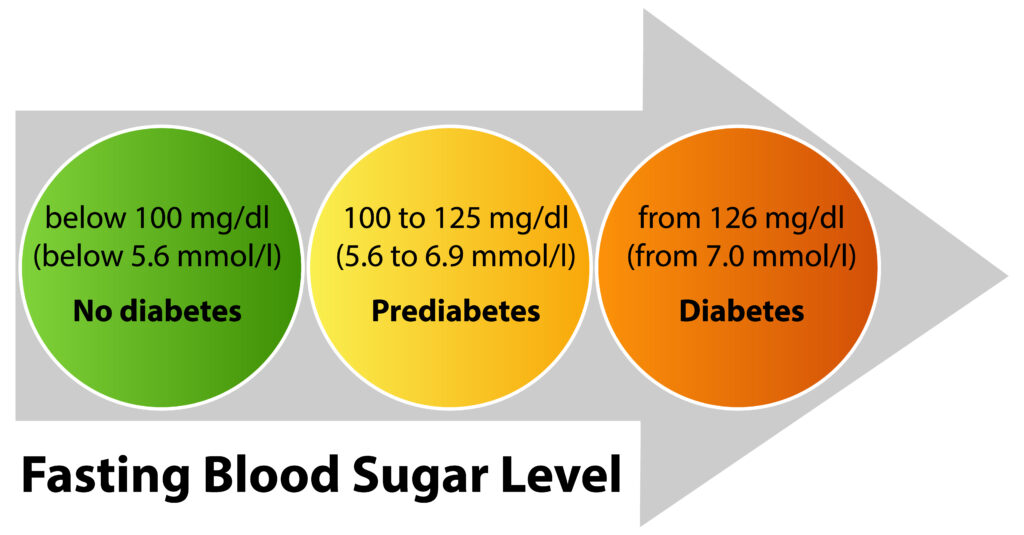
Type 2 diabetes and metabolic syndrome have reached epidemic proportions globally. At the root of these conditions lies insulin resistance—a state where your cells become numb to insulin, causing blood sugar levels to spiral upward.
Giving Your Pancreas a Break
Every time you consume food, your pancreas releases insulin to usher glucose into your cells. If you graze continuously from morning until late at night, your insulin levels stay elevated. Over time, your cells simply stop responding.
Intermittent fasting breaks this continuous cycle. By introducing a prolonged fasting window, you allow your baseline insulin levels to drop drastically. This rest period allows your cells to regain their natural sensitivity to insulin, making it much easier for your body to manage blood sugar efficiently and reduce body fat storage.
4. Reduced Systemic Inflammation
Chronic, low-grade inflammation is the silent driver behind nearly every major modern health challenge, from arthritis to cardiovascular disease.
Suppressing Inflammatory Cytokines
Clinical studies show that periods of fasting significantly suppress the production of pro-inflammatory cytokines—the chemical messengers that trigger swelling and tissue damage throughout the body. By dampening this background inflammation, intermittent fasting helps ease the physical burden on your immune system.
Many individuals find that long-standing joint stiffness, skin flare-ups, and digestive irritability improve noticeably once they adopt a consistent fasting window.
Want to know why avocados are considered a superfood? Discover the 12 essential nutrients packed into every bite.
5. Improved Cardiovascular Biomarkers
While weight loss naturally supports your cardiovascular system, the specific intermittent fasting benefits for heart health go much deeper than numbers on a bathroom scale.
Shifting the Lipid Profile:
Fasting alters how your liver processes cholesterol and fats. Research demonstrates that structured fasting protocols, particularly alternate-day fasting, help optimize blood lipid markers by reducing overall triglycerides and low-density lipoprotein (LDL) cholesterol.
Blood Pressure Regulation:
Fasting helps relax blood vessels and calms your sympathetic nervous system (your “fight-or-flight” response). This shifts your body into a parasympathetic, restorative state, which naturally helps stabilize your resting heart rate and blood pressure.
Looking for simple ways to eat healthier? Discover the 7 healthy eating habits that transformed my daily routine.
6. Optimization of Human Growth Hormone (HGH)
Hormone (HGH)Human Growth Hormone (HGH) is a powerful anabolic hormone produced naturally by your pituitary gland. It is essential for muscle retention, fat metabolism, and tissue repair.
Preventing Muscle Loss:
A major flaw of traditional, continuous low-calorie dieting is that your body often breaks down lean muscle tissue in addition to fat to fulfil its energy needs. Fasting prevents this muscle wasting by triggering a massive natural surge in HGH production. This hormone shields your lean muscle mass, ensuring that your body targets fat stores exclusively for energy during the fasting window.
7. Simplification of Daily Habits and Mindfulness
We often overlook the psychological and lifestyle perks of time-restricted eating, yet they are incredibly powerful for long-term health adherence.
Overcoming Food Obsession
Traditional diets require you to measure, log, and worry about six small meals every day. This continual focus might fuel an unhealthy preoccupation with eating. Intermittent fasting simplifies your mental energy. Instead of constantly calculating calories, you simply manage a clock.
This structure helps reset your relationship with food, teaching you to distinguish between true physiological hunger and habitual, emotional snacking.
8. Alignment of Your Internal Circadian Rhythm
Your body operates on a highly precise 24-hour internal clock known as the circadian rhythm. This clock dictates your sleep quality, hormone release, and metabolic rate.
Syncing the Cellular Clock:
Emerging research from the German Institute of Human Nutrition shows that matching your eating window with natural daylight hours helps synchronize your body’s internal clocks. When you stop consuming food before late evening, you send a clear signal to your digestive organs that it is time to shift from processing nutrients to deep sleep and recovery mode. This alignment yields deeper, more restful sleep cycles and stable next-day energy levels.
Conclusion
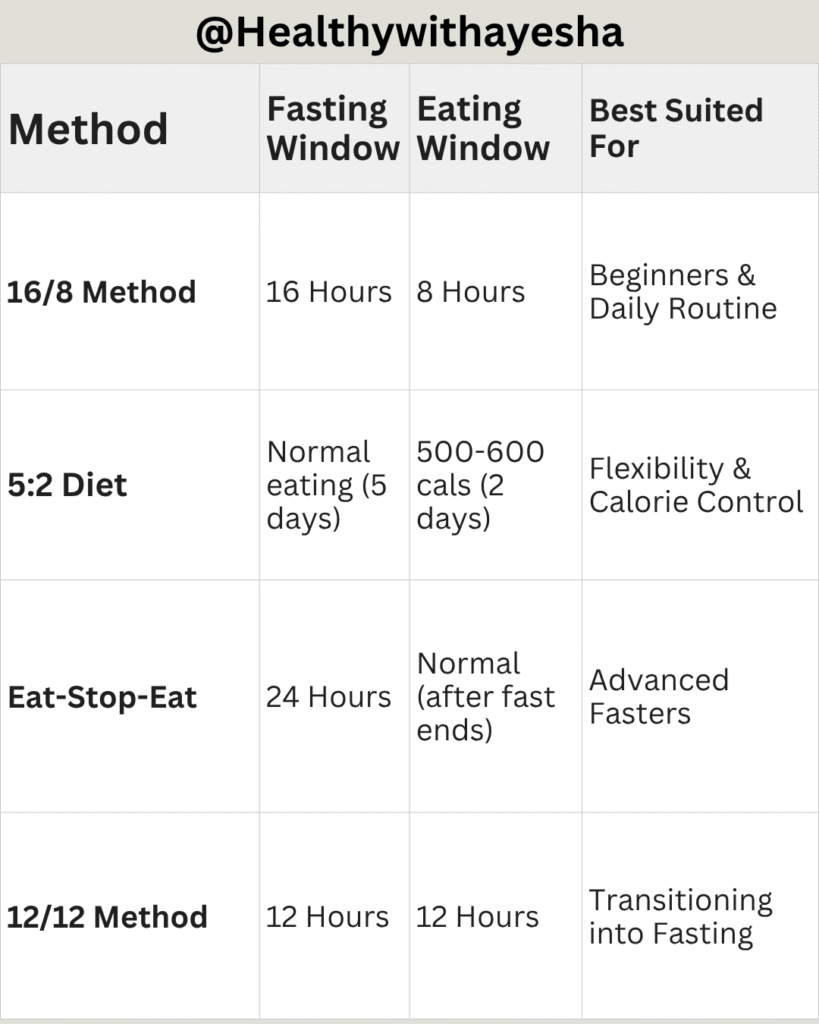
The true power of intermittent fasting benefits goes far beyond surface-level weight management. By adjusting your daily schedule to give your digestive system a dedicated break, you unlock an ancient evolutionary toolkit designed for cellular restoration, cognitive sharpness, and metabolic resilience. Do not jump straight into an intense 20-hour fast tomorrow morning. Start gently by keeping your eating window to 12 hours for a week, then naturally scale up to a 16:8 schedule as your body gets efficient at burning fats and ketones for fuel. Ready to optimize your daily nutrition? Explore our practical guides below to set up your wellness journey for success!
Looking for natural ways to reduce cholesterol? These foods have been scientifically proven to be effective.
Frequently Asked Questions (FAQ)
- Can I drink anything during the fasting window?
Yes, but you must avoid calories. Stick to water, sparkling water, black coffee, and unsweetened plain green or black tea. Avoid adding milk, cream, sugar, or artificial sweeteners, as these can trigger an insulin response and disrupt your fast.
2. Will intermittent fasting cause me to lose muscle?
No, provided your overall protein intake during your eating window is sufficient. The natural surge in Human Growth Hormone during a fast actively protects your lean tissues from being broken down for fuel. Pairing fasting with resistance training is the gold standard for fat loss and muscle maintenance.
3. Is intermittent fasting safe for everyone?
For the majority of healthy adults, time-restricted eating is harmless, but it is not a panacea. It should be avoided by individuals with a history of eating disorders, pregnant or breastfeeding women, and anyone under the age of 18. If you manage type 1 diabetes or take prescribed medications, always consult your physician before altering your eating schedule.
4. How long does it take for intermittent fasting to start showing results?
Localized metabolic changes, like stabilized blood sugar and steady morning energy, often emerge within the first week. Deeper system-wide advantages, such as lower systemic inflammation and improved blood lipid panels, typically require 4 to 12 weeks of consistent practice.
5. Will fasting mess up my hormones if I am a woman?
Women’s bodies are highly sensitive to signals of calorie scarcity. Drastic protocols like extended 24-hour fasts can sometimes disrupt delicate reproductive hormones. However, gentle variations like a balanced 14:10 or 16:8 window are generally well-tolerated and provide excellent metabolic support without stressing the endocrine system.