You wake up after eight hours in bed, but you still feel exhausted. By 3:00 PM, your brain feels foggy, your muscles feel tight, and late-afternoon sugar cravings hit like a tidal wave. During your period, menstrual cramps knock you off your feet, and when night comes, your mind races the second your head touches the pillow.
If this cycle sounds familiar, you are not alone. Millions of women navigate these exact symptoms every day without realizing that the root cause might be sitting right on their dinner plates.
To read more articles, visit https://healthywithayesha.com/
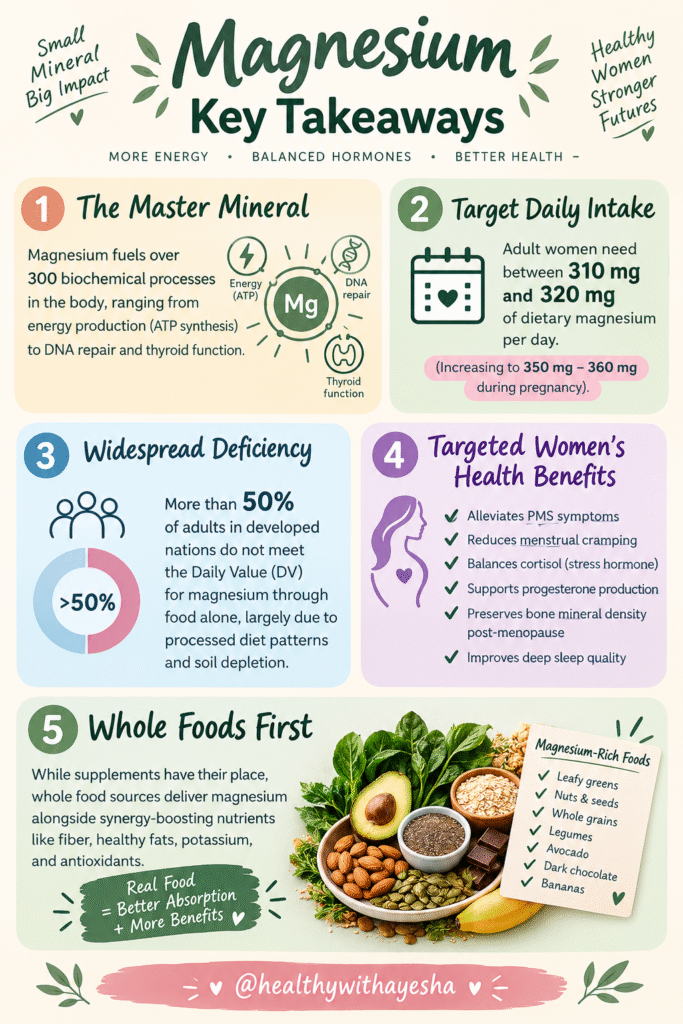
Magnesium participates as an essential enzymatic cofactor in more than 300 vital biochemical reactions across your body. It regulates nerve transmission, muscle contraction, heart rhythm, glucose metabolism, bone density, and hormone production. Yet despite its immense importance, clinical research shows that a vast majority of adult women fail to hit their daily recommended intake.
Prioritizing magnesium-rich foods in your daily diet offers one of the fastest, most effective ways to restore your physical energy, stabilize mood swings, calm your nervous system, and support long-term hormone balance. In this comprehensive guide, you will discover why women have unique biological needs for this master mineral, explore 18 nutrient-dense foods packed with magnesium, and learn actionable kitchen strategies to maximize nutrient absorption.
Why Women Urgently Need Magnesium-Rich Foods
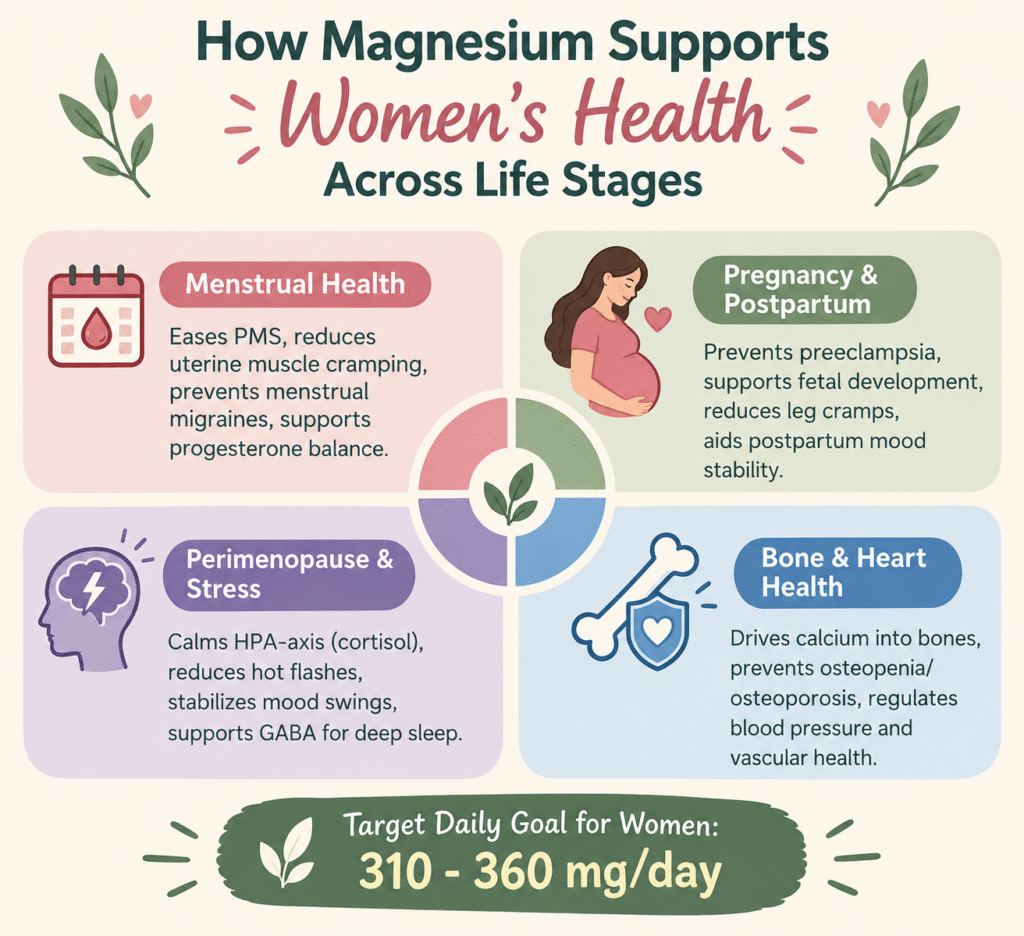
While both men and women require magnesium for basic survival, women experience unique physiological shifts throughout life that demand higher metabolic support. From monthly menstrual cycles to pregnancy, postpartum recovery, perimenopause, and menopause, magnesium acts as a foundational shock-absorber for female hormones.
1. Hormone Balance and PMS Relief
During the luteal phase of your menstrual cycle (the 10 to 14 days before your period), estrogen and progesterone fluctuate rapidly. Low magnesium levels exacerbate these shifts, leading to
- increased fluid retention
- painful breast tenderness
- mood irritability
- severe uterine cramping
Magnesium relaxes smooth muscle tissue in the uterus, directly dampening the production of prostaglandins—the inflammatory compounds responsible for painful menstrual cramps. Furthermore, magnesium assists the liver in metabolizing and clearing excess estrogen, preventing the hormone imbalances that trigger premenstrual dysphoric disorder (PMDD).
2. Stress, Cortisol, and Sleep Quality
Modern life places relentless demands on women’s nervous systems. When you experience chronic stress, your adrenal glands flood your bloodstream with cortisol and adrenaline. Here is the catch:
stress causes your body to excrete magnesium rapidly through urine.
This creates a vicious biological cycle. The lower your magnesium levels drop, the more sensitive your nervous system becomes to stress. Magnesium binds to gamma-aminobutyric acid (GABA) receptors in the brain—the same receptors targeted by anti-anxiety medications—which calms neural activity, lowers baseline anxiety, and allows you to fall into restorative slow-wave sleep.
3. Bone Density and Osteoporosis Prevention
When people think of strong bones, calcium usually gets all the spotlight. However, calcium cannot build bone tissue effectively without its biological partner: magnesium.
- Approximately 60% of the total magnesium in your body resides inside your skeletal structure.
- Magnesium activates vitamin D into its usable form (calcitriol), which allows your gut to absorb calcium properly.
- Without adequate magnesium-rich foods in your diet, supplemental calcium can deposit in your arteries and soft tissues rather than strengthening your skeleton—a major risk factor for post-menopausal women vulnerable to osteoporosis.
Real-Life Example: Sarah’s Journey to Recovery
Sarah, a 38-year-old graphic designer and mother of two, struggled with
- chronic afternoon fatigue
- severe leg cramps at night
- debilitating PMS mood swings.
Her blood work consistently came back “normal,” yet she felt constantly burnt out. After consulting a functional nutritionist, she discovered her diet relied heavily on refined grains and convenience foods low in micronutrients.
By deliberately integrating three to four magnesium-rich foods into her daily meals
- Adding pumpkin seeds to her morning oatmeal, eating a large spinach salad at lunch, and enjoying dark chocolate with almonds in the evening
Sarah noticed a dramatic change within three weeks. Her night cramps vanished, her sleep deepened, and her monthly cycle became significantly more manageable.
Looking for simple ways to eat healthier? Discover the 7 healthy eating habits that transformed my daily routine.
18 Best Magnesium-Rich Foods Every Woman Should Include in Her Diet
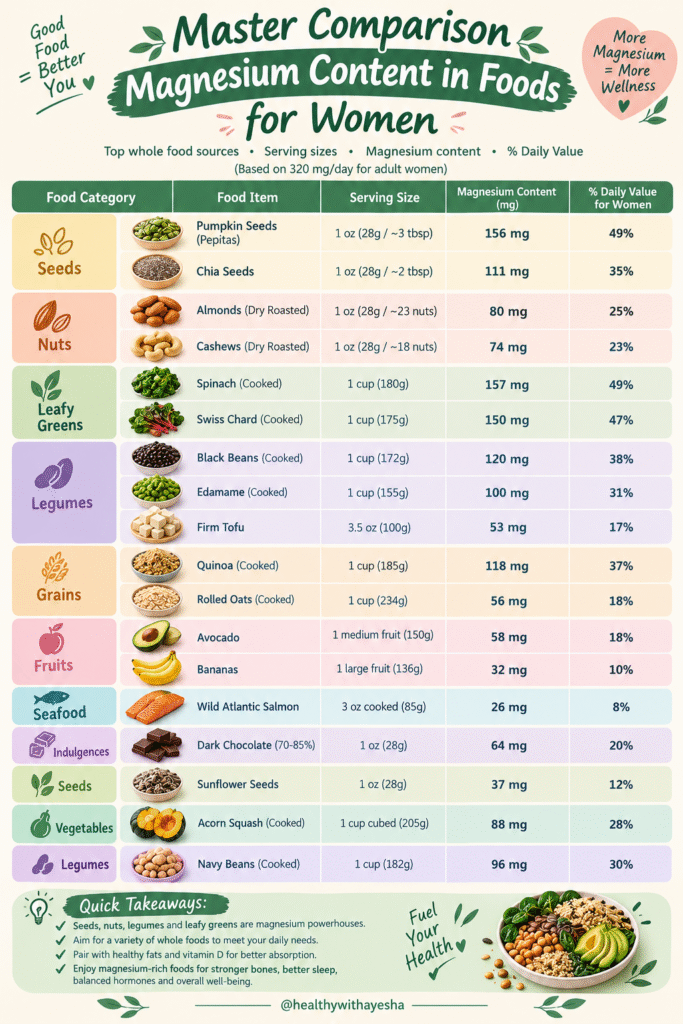
Integrating a diverse range of whole foods guarantees you hit your nutrient targets while enjoying varied flavors and textures throughout the week. Here are the 18 top magnesium-rich foods tailored for women’s health needs:
1. Pumpkin Seeds (Pepitas)
- Magnesium Content: 156 mg per 1 oz serving (49% DV)
Why Women Need It: Pumpkin seeds stand as one of the undisputed heavyweights of dietary magnesium. Beyond their incredible mineral density, pepitas are rich in zinc, which supports follicular development during your menstrual cycle and boosts thyroid hormone production.
Easy Meal Idea: Toast pumpkin seeds with a pinch of sea salt and smoked paprika for a crunchy snack, or sprinkle them over soups, smoothie bowls, and salads.
2. Cooked Spinach
Magnesium Content: 157 mg per 1 cup cooked (49% DV)
Why Women Need It: Raw spinach is great, but cooking it condenses the leaves, allowing you to consume significantly more nutrients per volume. Spinach provides a vital combination of magnesium, non-heme iron, and folate—three nutrients women lose during monthly menstruation.
Easy Meal Idea: Sauté two massive handfuls of fresh spinach in olive oil and minced garlic as a 5-minute side dish for dinner.
3. Swiss Chard
Magnesium Content: 150 mg per 1 cup cooked (47% DV)
Why Women Need It: Swiss chard contains rainbow-colored stems packed with polyphenols, potassium, and vitamin K. This dark leafy green helps manage blood glucose levels, preventing insulin spikes that trigger hormonal acne and polycystic ovary syndrome (PCOS) flare-ups.
Easy Meal Idea: Chop Swiss chard stems and leaves finely, then toss them into hearty vegetable stews or frittatas.
4. Black Beans
Magnesium Content: 120 mg per 1 cup cooked (38% DV)
Why Women Need It: Black beans combine high magnesium levels with soluble plant fiber and plant-based protein. This slow-digesting combination feeds beneficial gut bacteria, supporting healthy estrogen metabolism and digestive regularity.
Easy Meal Idea: Blend black beans with lime juice, cumin, and garlic to make a creamy homemade dip, or mix them into quinoa taco bowls.
5. Cooked Quinoa
Magnesium Content: 118 mg per 1 cup cooked (37% DV)
Why Women Need It: Unlike refined white grains stripped of their germ and bran during processing, quinoa is a naturally gluten-free pseudo-grain. It contains all nine essential amino acids, making it a complete protein that stabilizes energy levels for busy women.
Easy Meal Idea: Swap morning oatmeal for warm quinoa cooked in almond milk, topped with berries, cinnamon, and chopped nuts.
6. Chia Seeds
Magnesium Content: 111 mg per 1 oz serving (35% DV)
Why Women Need It: These microscopic powerhouses absorb up to 10 times their weight in water, forming a hydrating gel in your digestive tract. Chia seeds provide abundant alpha-linolenic acid (ALA)—a plant-based omega-3 fatty acid that reduces systemic inflammation and joint stiffness.
Easy Meal Idea: Stir 3 tablespoons of chia seeds into coconut milk with vanilla extract and cocoa powder; let it set in the fridge overnight for a high-magnesium pudding.
7. Edamame (Young Soybeans)
Magnesium Content: 100 mg per 1 cup cooked (31% DV)
Why Women Need It: Edamame offers a rich source of naturally occurring naturally protective isoflavones (phytoestrogens). Phytoestrogens help modulate estrogen receptor activity in women’s bodies, softening hot flashes and night sweats during perimenopause.
Easy Meal Idea: Steamed edamame pods sprinkled with coarse sea salt make an effortless, protein-rich afternoon snack.
8. Dry-Roasted Almonds
Magnesium Content: 80 mg per 1 oz serving (25% DV)
Why Women Need It: Almonds are packed with vitamin E, a fat-soluble antioxidant that protects cellular membranes from oxidative damage. Vitamin E works synergistically with magnesium to reduce premenstrual breast pain and improve skin elasticity.
Easy Meal Idea: Keep a small tin of raw or dry-roasted almonds in your purse or office desk for a quick, heart-healthy snack on busy workdays.
9. Dry-Roasted Cashews
Magnesium Content: 74 mg per 1 oz serving (23% DV)
Why Women Need It: Cashews provide copper and iron, two minerals essential for red blood cell synthesis and energy production. Their natural buttery texture makes them ideal for creating dairy-free sauces and creams for women with lactose sensitivities.
Easy Meal Idea: Blend soaked cashews with nutritional yeast, lemon juice, garlic, and water to make a silky, dairy-free cheese sauce.
Want healthier meals every day? Discover our 7 Healthy Cooking Methods That Preserve Nutrients and Flavor
10. Dark Chocolate (70–85% Cocoa)
Magnesium Content: 64 mg per 1 oz serving (20% DV)
Why Women Need It: Craving chocolate before your period is not a lack of willpower—it is a physical sign that your body wants magnesium and dopamine! High-percentage dark chocolate contains cocoa flavanols that boost microcirculation, improve cognitive focus, and elevate mood.
Easy Meal Idea: Enjoy two squares of quality 80% dark chocolate alongside a hot cup of chamomile tea as an evening wind-down ritual.
11. Medium Avocado
Magnesium Content: 58 mg per medium fruit (18% DV)
Why Women Need It: Avocados are rich in monounsaturated heart-healthy fats, potassium, and B-complex vitamins. The healthy fats in avocado assist your body in absorbing fat-soluble vitamins (A, D, E, and K) from other vegetables served in the same meal.
Easy Meal Idea: Mash half an avocado onto whole-grain sourdough toast, then top with an egg and a sprinkle of pumpkin seeds for a nutrient-dense breakfast.
12. Rolled Oats
Magnesium Content: 56 mg per 1 cup cooked (18% DV)
Why Women Need It: Oats contain beta-glucan, a specialized soluble fiber clinically proven to lower LDL cholesterol and balance blood sugar levels. Stabilizing your morning glucose prevents midday energy crashes and adrenal strain.
Easy Meal Idea: Prepare overnight oats with rolled oats, chia seeds, Greek yogurt, and almond milk inside a Mason jar for an easy grab-and-go morning meal.
13. Firm Tofu
Magnesium Content: 53 mg per 3.5 oz serving (17% DV)
Why Women Need It: Tofu is a versatile plant-based protein that provides calcium, iron, and magnesium without saturated fat. It absorbs flavors easily, making it a great staple for women following plant-forward or vegetarian lifestyle plans.
Easy Meal Idea: Cube firm tofu, toss with tamari and sesame oil, and air-fry for 12 minutes until crispy.
14. Baked Acorn Squash
Magnesium Content: 88 mg per 1 cup cooked (28% DV)
Why Women Need It: Winter squashes like acorn and butternut squash deliver rich amounts of carotenoids, potassium, and complex carbohydrates. These slow-burning carbs support thyroid conversion (T4 to active T3) and boost brain serotonin levels during stress.
Easy Meal Idea: Roast acorn squash wedges with a drizzle of maple syrup, olive oil, and ground cinnamon until fork-tender.
15. Cooked Navy Beans
Magnesium Content: 96 mg per 1 cup cooked (30% DV)
Why Women Need It: Navy beans boast an exceptional nutrient profile with high fiber, folate, iron, and magnesium. Their mild flavor makes them easy to blend silently into creamy vegetable soups without changing the taste profile.
Easy Meal Idea: Puree cooked navy beans into roasted tomato or butternut squash soup to instantly boost protein, fiber, and mineral content.
16. Sunflower Seeds
Magnesium Content: 37 mg per 1 oz serving (12% DV)
Why Women Need It: Sunflower seeds are exceptionally high in vitamin E and selenium. Selenium plays a critical role in supporting thyroid hormone synthesis and protecting the thyroid gland from autoimmune tissue inflammation.
Easy Meal Idea: Toss hulled sunflower seeds into homemade trail mix, or spread sunflower seed butter onto fresh apple slices.
17. Wild-Caught Salmon
Magnesium Content: 26 mg per 3 oz cooked fillet (8% DV)
Why Women Need It: While its magnesium content is modest compared to seeds and greens, salmon delivers preformed EPA and DHA omega-3 fatty acids. These potent marine fats fight systemic inflammation, protect cardiovascular health, and support brain cell structure.
Easy Meal Idea: Pan-sear a wild salmon fillet in avocado oil and serve alongside sautéed spinach and a side of cooked quinoa.
18. Bananas
Magnesium Content: 32 mg per 1 large fruit (10% DV)
Why Women Need It: Bananas are famous for potassium, but they also provide magnesium, vitamin B6, and prebiotic fiber. Vitamin B6 works in tandem with magnesium to synthesize neurotransmitters like serotonin and GABA, helping ease mood swings and anxiety.
Easy Meal Idea: Slice a banana over almond butter toast, or blend frozen banana slices into a rich morning smoothie.
Practical Tips to Maximize Magnesium Absorption
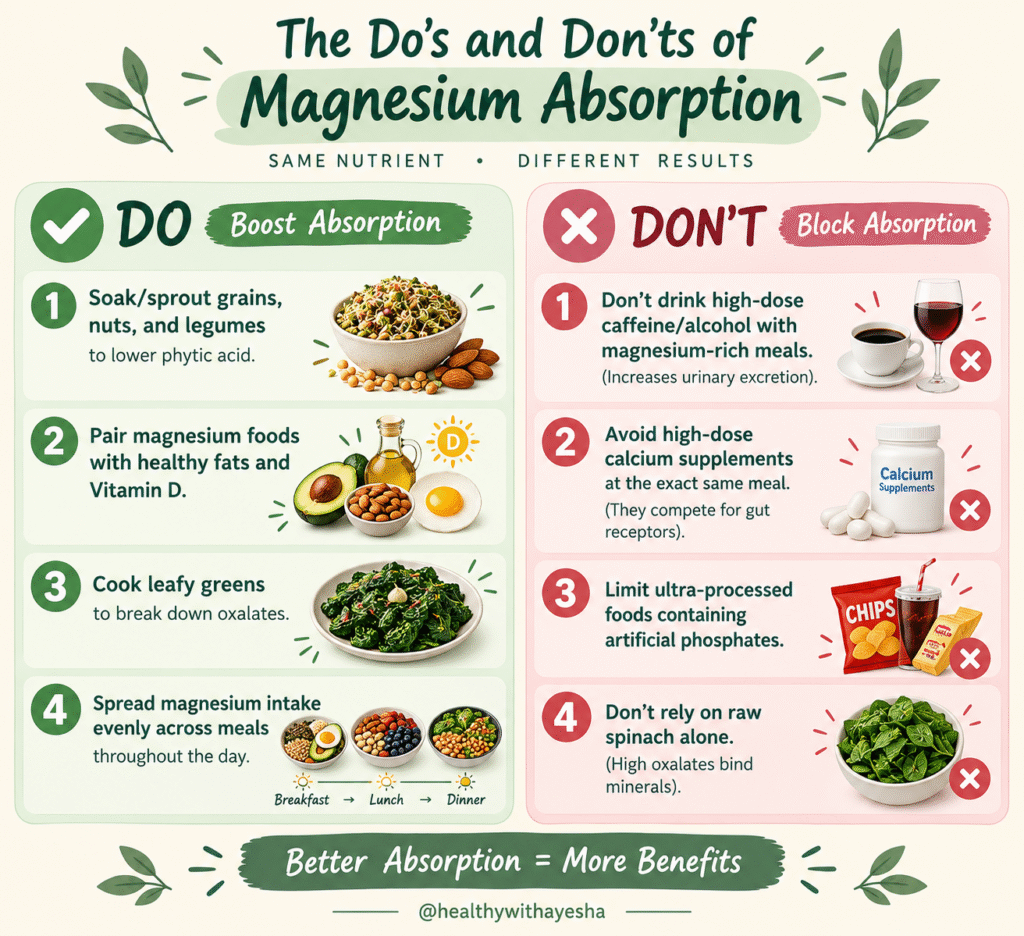
Simply eating magnesium-rich foods isn’t always enough. Factors like gut health, meal preparation techniques, and dietary anti-nutrients dictate how much of this mineral your intestines actually absorb into your bloodstream.
Follow these four practical guidelines to get the most out of every bite:
Soak and Sprout Beans, Nuts, and Whole Grains: Raw seeds, nuts, legumes, and whole grains naturally contain phytic acid (phytates), an anti-nutrient that binds to minerals like magnesium, iron, and zinc in your digestive tract. Soaking beans overnight or choosing sprouted grains breaks down phytic acid, making the underlying minerals significantly more bioavailable.
Cook Your Leafy Greens: Raw greens like spinach and Swiss chard contain oxalates, compounds that bind to magnesium and calcium. Lightly steaming, sautéing, or boiling these greens degrades oxalate bonds, freeing up magnesium for easy intestinal absorption.
Watch Your Caffeine and Alcohol Intake: Excess caffeine and alcohol act as natural diuretics, prompting your kidneys to excrete higher amounts of magnesium through urine before your cells can utilize it. Try to consume coffee at least 60 minutes away from major magnesium-rich meals.
Avoid High-Dose Isolated Calcium Supplements: Calcium and magnesium share identical transport channels in your small intestine. Taking a massive 1,000 mg calcium supplement alongside a meal blocks your body’s ability to absorb magnesium. Space out calcium and magnesium intake across different times of day.
Conclusion
Magnesium is far more than just another nutrient listed on a nutrition label—it is a vital biological foundation for every stage of a woman’s life. From easing monthly cramps and stabilizing stress hormones to protecting your bone density, maintaining adequate magnesium levels transforms how you feel, move, and sleep every single day.
Looking for simple ways to eat healthier? Discover the 7 healthy eating habits that transformed my daily routine.
By intentionally filling your plate with magnesium-rich foods—like dark leafy greens, pepitas, avocados, legumes, and high-percentage dark chocolate—you give your body the exact tools it needs to thrive naturally.
Ready to boost your energy and balance your hormones? Choose three foods from this list today, add them to your weekly grocery shopping cart, and feel the difference that real whole-food nutrition makes!
Frequently Asked Questions (FAQs)
1. What are the earliest warning signs that a woman has low magnesium? Early indicators of inadequate magnesium include frequent muscle twitches (especially around the eyelid), nighttime leg cramps, unexplained fatigue, persistent brain fog, heightened anxiety, irritability before periods, cravings for chocolate, and difficulty staying asleep throughout the night.
2. How much dietary magnesium does a woman need every day? The Recommended Dietary Allowance (RDA) established by health authorities is:
Women ages 19–30: 310 mg/day
Women ages 31–50+: 320 mg/day
Pregnant women: 350 mg to 360 mg/day
Breastfeeding women: 310 mg to 320 mg/day
3. Can I get all the magnesium I need from food alone, or do I need a supplement? Yes, it is entirely possible to hit your target through food alone by eating a diet rich in pumpkin seeds, leafy greens, legumes, nuts, and whole grains. However, if you experience chronic stress, exercise intensely, take oral contraceptives, or have gastrointestinal issues (like IBS or Crohn’s), discussing a low-dose magnesium supplement (such as magnesium glycinate) with your healthcare provider can be very beneficial.
4. Why doesn’t standard blood work show my true magnesium levels? Standard blood tests measure serum magnesium, but less than 1% of your body’s total magnesium resides in your blood serum. Your body tightly regulates blood levels by pulling magnesium out of your bones, muscles, and tissues to keep serum levels constant. Because of this, your blood test can appear normal even if your cellular tissue is severely depleted.
5. Which magnesium-rich foods are best for easing menstrual cramps? Pumpkin seeds, cooked spinach, dark chocolate, and black beans are exceptional options for menstrual cramping. They combine high levels of magnesium (which relaxes smooth muscle tissue) with anti-inflammatory antioxidants and zinc to help damp down painful uterine contractions.