The weight loss industry is a revolving door of “magic pills” and “overnight miracles.” However, if you have ever tried a crash diet, you know the painful cycle: you lose ten pounds in a week, feel miserable, and gain twelve back the moment you look at a slice of bread. The secret to transforming your body isn’t just about speed; it’s about staying power.
In this deep dive, we are breaking down the 10 best diet plans for fast and sustainable weight loss. We won’t just tell you to “eat less.” We are going to look at the metabolic science, the psychological ease of use, and the nutritional density of the world’s most successful eating patterns.
According to a study published in the Journal of the American Medical Association (JAMA), the most successful weight loss occurs not when a person picks the “strictest” diet, but when they pick the one they can adhere to for more than six months. Sustainability is the only true “secret” to success.
To read more articles, visit https://healthywithayesha.com/
1. The Mediterranean Diet: The Gold Standard
Widely regarded by doctors and nutritionists as the healthiest eating pattern on Earth, the Mediterranean diet isn’t just about weight loss—it’s about longevity.
Why it Works
It emphasizes healthy fats (such as monounsaturated) and fiber. Fiber is your best friend for weight loss because it slows digestion and keeps you full. By focusing on whole foods, you naturally crowd out the high-calorie processed junk that leads to weight gain.
What to Eat:
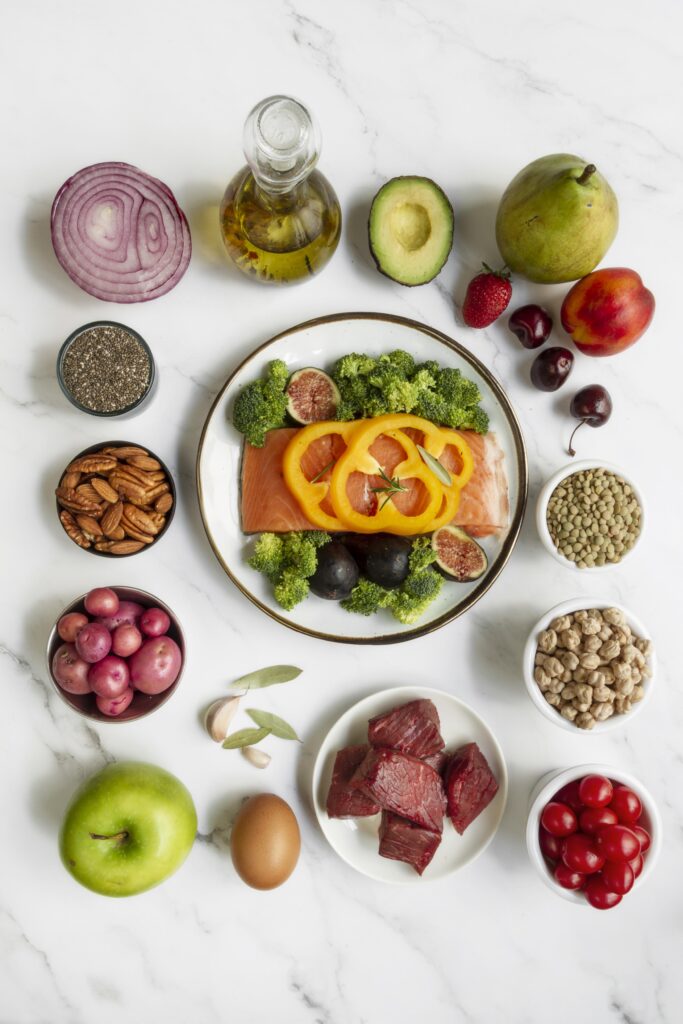
Primary: Vegetables, fruits, whole grains, and legumes.
Fats: Extra virgin olive oil and nuts.
Protein: Weekly intake of fish and poultry; limited red meat.
The Mediterranean Diet Plan
Breakfast: Greek yogurt with walnuts, honey, and blueberries.
Lunch: Mediterranean Tuna Salad (olive oil-based) with chickpeas and cucumbers.
Dinner: Baked Cod with a lemon-parsley crust, roasted asparagus, and quinoa.
Snack: A handful of almonds and an orange.
2. Intermittent Fasting (IF): Timing is Everything
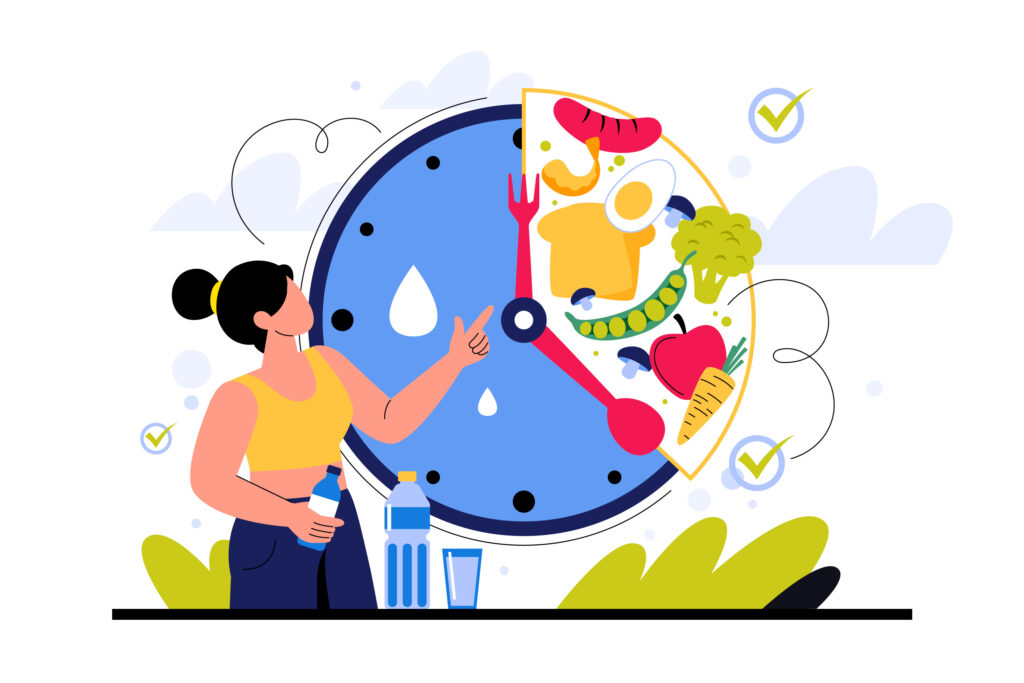
Intermittent fasting is less about what you eat and more about when you eat. It is one of the 10 best diet plans for fast and sustainable weight loss because it simplifies the “calories in vs. calories out” equation without requiring complex recipes.
The Metabolic Switch
When you fast, your body eventually exhausts its sugar stores and starts burning fat for energy. This process is called metabolic switching.
Popular Methods:
16/8 Method: Fast for 16 hours, eat during an 8-hour window.
5:2 Diet: Eat normally for five days, restrict to 500–600 calories for two days.
Intermittent Fasting diet plan (The 16:8 Protocol)
10:00 AM: Black Coffee or Green Tea (Fasting window).
12:00 PM (Breakfast): Large Cobb salad with chicken, avocado, and hard-boiled eggs.
3:00 PM: Apple slices with almond butter.
7:30 PM (Final Meal): Grilled steak with sweet potato and steamed broccoli.
8:00 PM: Fasting begins.
Meal prepping can make intermittent fasting easier. Check out 8 Surprising Benefits of Intermittent Fasting That Go Beyond Weight Loss
3. The Ketogenic (Keto) Diet: The Fat-Burner
Keto is the heavy hitter for “fast” results. By drastically reducing carbohydrates, you force your body into a state called ketosis.
The Keto Advantage
When you are in ketosis, your liver converts fat into ketones, which serve as a highly efficient fuel source for the brain. This often leads to a significant drop in hunger hormones (ghrelin), making it easier to maintain a calorie deficit.
Focus Foods:
Avocados, grass-fed butter, fatty fish, and leafy greens.
Note: This plan requires strict tracking of “net carbs” to remain effective.
Want to know why avocados are considered a superfood? Discover the 12 essential nutrients packed into every bite.
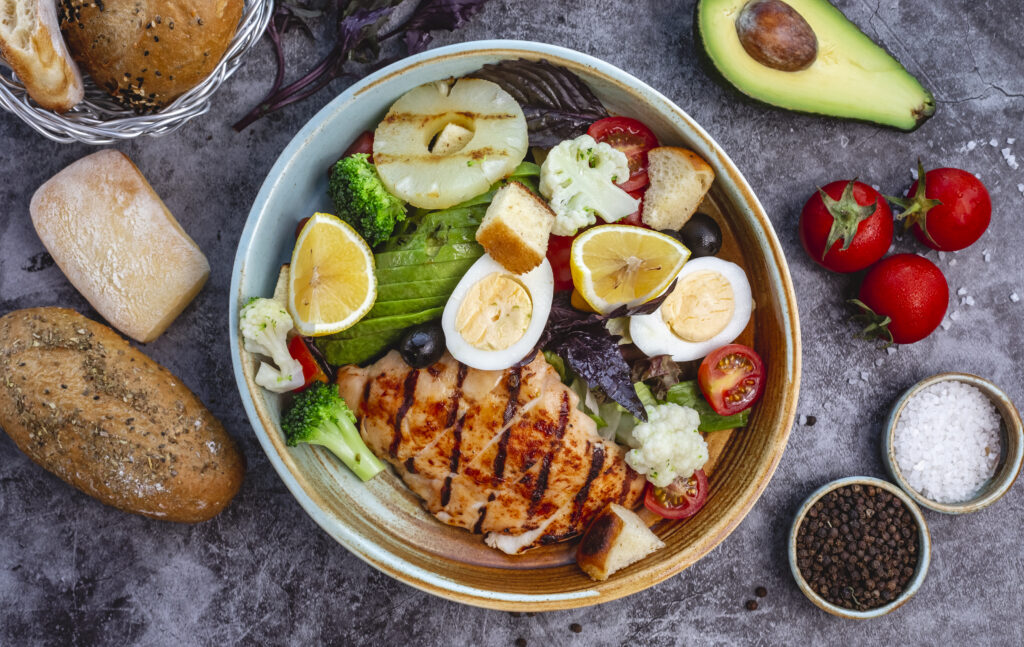
The Ketogenic Diet plan (The High-Fat Burner)
Breakfast: Omelet with three eggs, spinach, and heavy cheddar cheese cooked in butter.
Lunch: “Burger Bowl” – Grass-fed beef patty, bacon, avocado, and mayo over shredded lettuce.
Dinner: Salmon baked with a pesto crust and buttery mashed cauliflower.
Snack: Macadamia nuts or a cheese stick.
4. The DASH Diet: Heart Health Meets Weight Loss
Originally designed to control hypertension (High Blood Pressure), the DASH diet has become a favorite for weight loss due to its balanced approach.
Why it’s Sustainable
Unlike Keto, DASH allows for a wide variety of food groups. It focuses on reducing sodium and increasing minerals like potassium, calcium, and magnesium. By fixing your mineral balance, you reduce water retention and improve metabolic health.
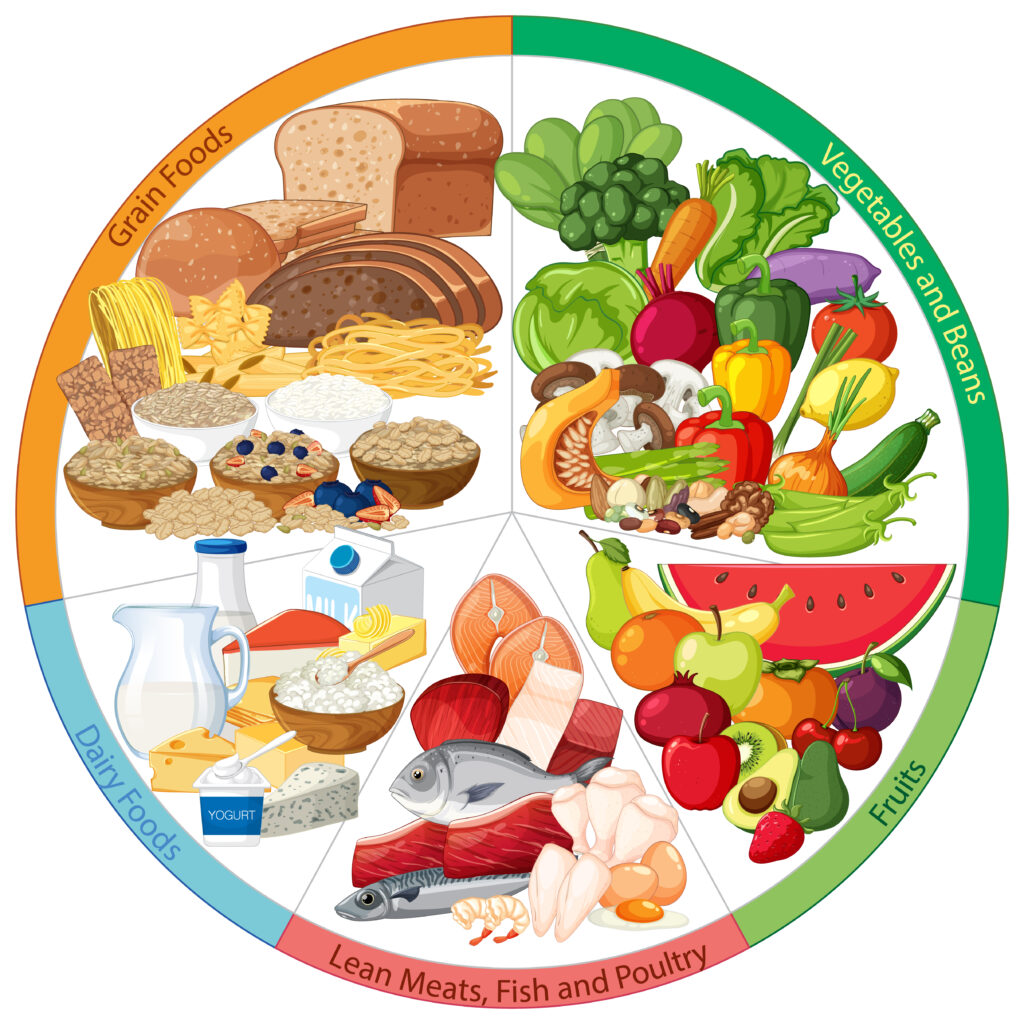
The DASH Diet (The Heart-Healthy Plan)
Breakfast: Steel-cut oatmeal with sliced peaches and low-fat milk.
Lunch: Turkey breast sandwich on 100% whole-grain bread with lettuce, tomato, and no-salt mustard.
Dinner: Roasted chicken breast with a small baked potato and a side of green beans.
Snack: Unsalted sunflower seeds and a pear.
5. The Paleo Diet: Eating Like Our Ancestors
The Paleo philosophy is simple: if a caveman didn’t eat it, neither should you. This means no processed sugar, grains, or dairy.
The “Clean” Factor
By removing refined grains and legumes, you eliminate common sources of gut inflammation. For many, this “reset” leads to rapid weight loss simply by removing the high-calorie, low-nutrient “filler” foods found in the modern diet.
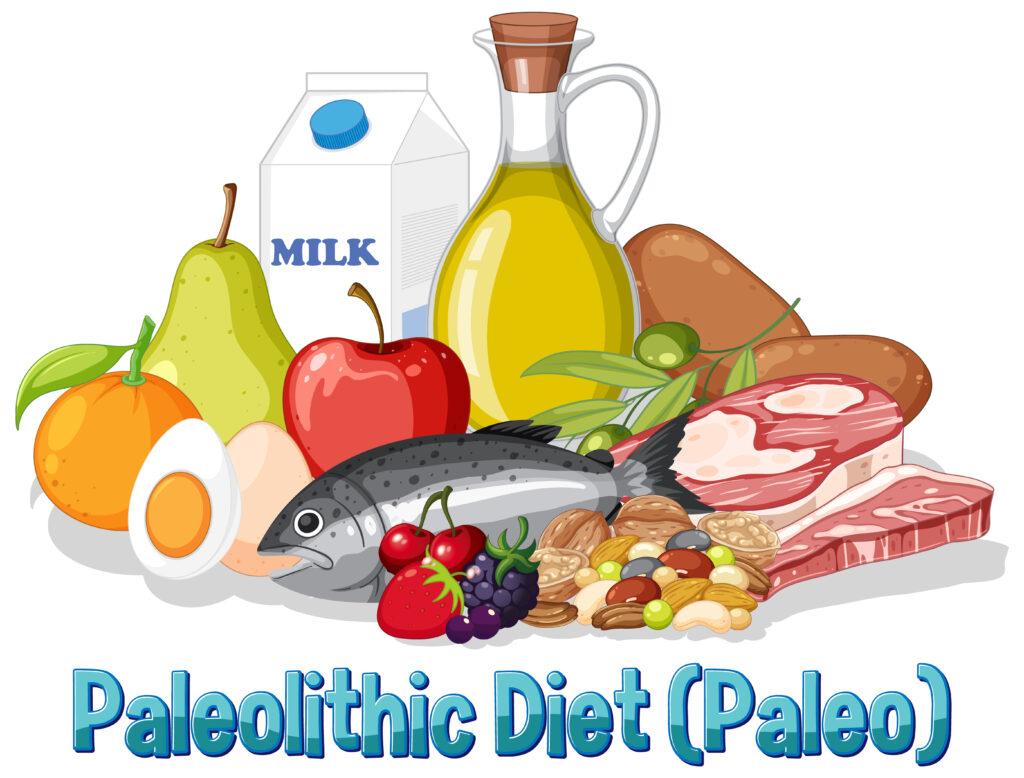
The Paleo Diet (The Primal Plan)
Breakfast: “Caveman Hash” – Ground turkey sautéed with sweet potatoes, onions, and kale.
Lunch: Grilled chicken salad with walnuts, strawberries, and balsamic vinaigrette.
Dinner: Beef stir-fry with broccoli, carrots, and snap peas (using coconut aminos instead of soy).
Snack: Beef jerky (nitrate-free) and berries.
6. The Flexitarian Diet: Plant-Heavy, Not Plant-Only
Many people want the benefits of veganism but aren’t ready to give up steak. The Flexitarian diet is the perfect middle ground.
How it Aids Weight Loss
Plant-based foods are generally lower in calorie density. You can eat a massive volume of food (keeping your stomach physically full) for a fraction of the calories found in meat-heavy dishes.
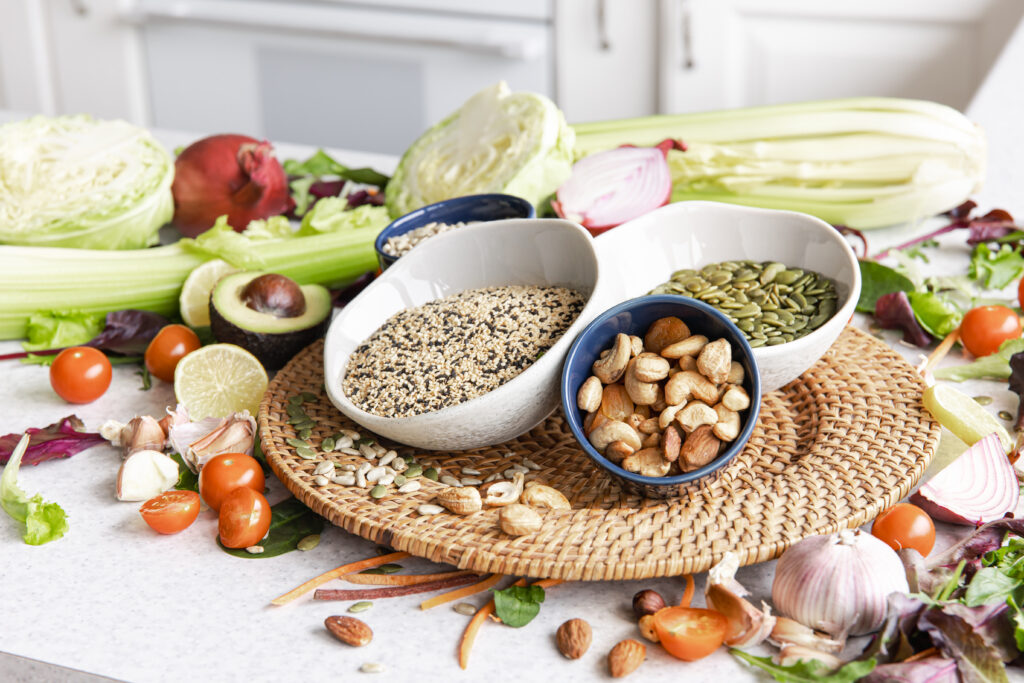
The Flexitarian Diet (The Plant-Forward Plan)
Breakfast: Smoothie with plant protein, spinach, frozen mango, and hemp seeds.
Lunch: Black bean and corn tacos with avocado and corn tortillas.
Dinner: (The “Flex” Meal) Grilled shrimp skewers with a large Mediterranean chopped salad.
Snack: Roasted chickpeas with sea salt.
7. Volumetrics: Eat More to Weigh Less
Created by Dr. Barbara Rolls, this plan focuses on energy density.
The Strategy
You prioritize foods high in water and fiber—like soups, fruits, and vegetables. Because you are eating a large volume of food, your brain’s “satiety signals” are triggered, preventing the binge-eating that often kills most diet plans.

Volumetrics (The High-Volume Plan)
Breakfast: Large bowl of egg white frittata loaded with mushrooms, peppers, and onions (massive volume, low calories).
Lunch: A giant bowl of vegetable soup and a side salad.
Dinner: Zucchini noodles (zoodles) with a low-fat marinara sauce and turkey meatballs.
Snack: Unlimited celery sticks and air-popped popcorn (no butter).
Looking for simple ways to eat healthier? Discover the 7 healthy eating habits that transformed my daily routine.
8. The Low-Carb (Non-Keto) Diet
If full Keto feels too restrictive, a standard low-carb diet is often more sustainable for the long term.
The Logic
By keeping carbs between 50–150 grams per day, you keep your insulin levels stable. Insulin is the body’s primary fat-storage hormone; when it’s low, your body can access stored body fat much more easily.
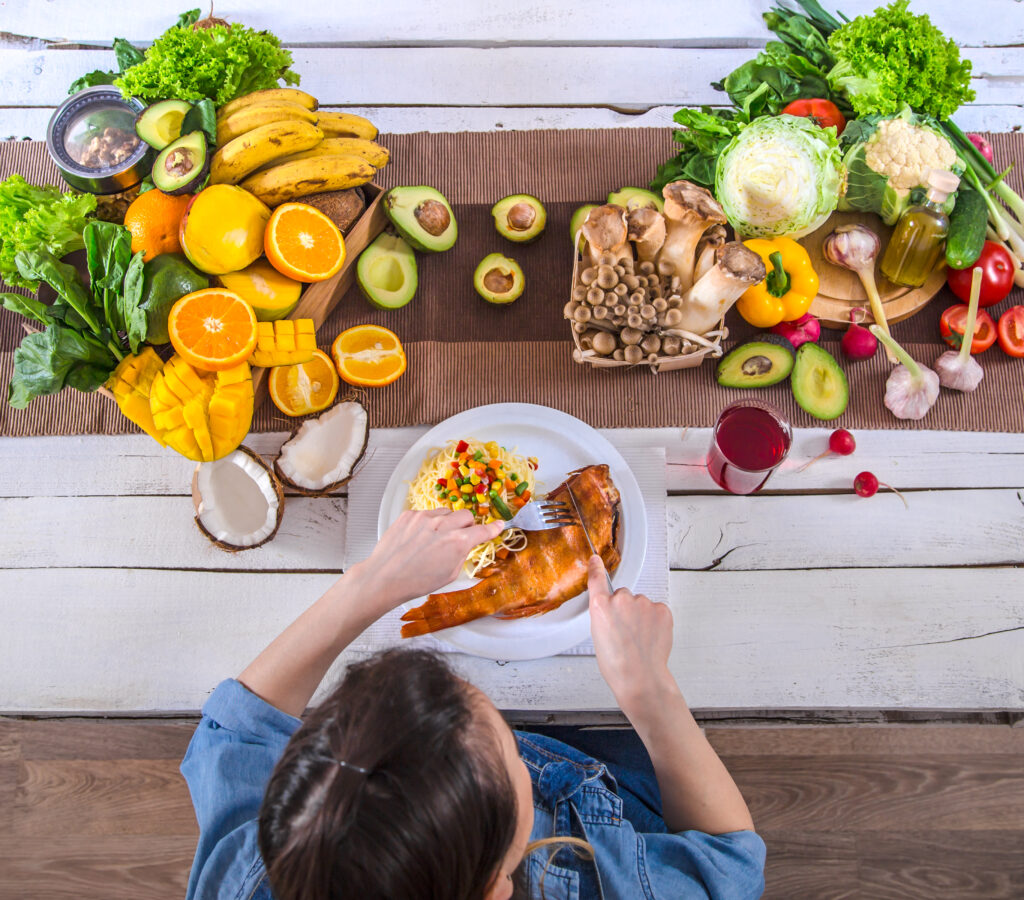
The Low-Carb Diet (The Balanced Low-Sugar Plan)
Breakfast: Scrambled eggs with smoked salmon and a half-cup of raspberries.
Lunch: Grilled chicken Caesar salad (no croutons) with extra parmesan.
Dinner: beef chops with roasted Brussels sprouts and a small side of wild rice.
Snack: Cottage cheese with a sprinkle of pumpkin seeds.
9. The WW (Weight Watchers) System
WW uses a points system to teach you the value of food. It is one of the 10 best diet plans for fast and sustainable weight loss because it provides a community and accountability structure.
Insight
It doesn’t “ban” any food. Instead, it assigns higher points to sugar and saturated fats, nudging you toward healthier choices while allowing for the occasional treat, preventing the “deprivation mindset.”
Learn how proper hydration supports healthy weight loss and boosts your metabolism. How Much Water Should You Drink Each Day?
The WW Style Plan (The Points-Based Plan)
Breakfast: Poached eggs on a single slice of sprouted toast (Low points).
Lunch: Grilled chicken breast with a massive zero-point garden salad.
Dinner: Lean ground turkey chili with kidney beans and diced tomatoes.
Snack: A sugar-free gelatin cup or a piece of fruit.
10. The Whole30: The Ultimate Reset
Whole30 isn’t a long-term diet; it’s a 30-day nutritional reset.
The Goal
By stripping away sugar, alcohol, grains, and dairy for 30 days, you identify which foods are causing you issues. Most participants lose weight rapidly as a byproduct of eating strictly whole, unprocessed foods.
The Whole30 (The 30-Day Reset)
Breakfast: Scrambled eggs with compliant sugar-free sausage and sliced avocado.
Lunch: Roasted chicken salad with homemade compliant mayo and grapes.
Dinner: Pan-seared scallops with a side of roasted butternut squash and kale.
Snack: (Whole30 discourages snacking, but if needed) Hard-boiled egg or olives.
The Secret Ingredient: The "Non-Scale" Victory
While the scale is a helpful tool, sustainable weight loss is about body composition.
“Weight loss is a marathon, not a sprint. If you find a diet that makes you miserable, you have already lost. The best diet is the one that makes you feel energized, not depleted.” — Dr. Mark Hyman, Functional Medicine Expert
How to Choose the Right Plan for You
To find your match among the 10 best diet plans for fast and sustainable weight loss, ask yourself these three questions:
Do I love structure? (Try WW or Keto).
Do I hate counting calories? (Try Intermittent Fasting or Paleo).
Do I have health concerns like high blood pressure? (Try DASH or Mediterranean).
Conclusion
Weight loss is a deeply personal journey. Whether you choose the metabolic power of Keto or the lifestyle balance of the Mediterranean diet, the key is consistency. These 10 best diet plans for fast and sustainable weight loss provide a roadmap, but you have to be the one to drive the car.
Stop waiting for the “perfect” Monday to start. Pick the plan that feels the least like a “punishment” and start your first meal today. Your future self will thank you.
Ready to make dinner easy? Tap the link and grab your 7-day meal plan now!
Frequently Asked Questions (FAQ)
1. Which of these diets is the fastest for weight loss? The Ketogenic (Keto) diet and Whole30 typically yield the fastest initial results. This is often due to the rapid depletion of glycogen stores (which hold water weight) and the body shifting into fat-burning mode. However, for long-term “fast” progress that stays off, Intermittent Fasting combined with a Low-Carb approach is often easier to maintain.
2. Can I combine two different diet plans? Yes! In fact, some combinations are incredibly effective. A popular choice is combining the Mediterranean Diet with Intermittent Fasting. This ensures that the food you do eat is nutrient-dense and heart-healthy, while the fasting window helps regulate your insulin and calorie intake.
3. Do I have to exercise for these diets to work? While you can lose weight through diet alone by maintaining a calorie deficit, exercise is the “insurance policy” for sustainability. Strength training helps preserve muscle mass, which keeps your metabolism high. According to the American Heart Association, combining a healthy diet with 150 minutes of moderate activity per week significantly improves long-term weight maintenance.
4. Will I feel tired when I start a new diet plan? It is common to experience a “transition period” (often called the “Keto Flu” in low-carb circles). As your body switches from burning sugar to burning fat, you may experience mild fatigue or headaches for 3–7 days. Staying hydrated and ensuring you get enough electrolytes (magnesium, potassium, and sodium) can mitigate these symptoms.
5. How do I know when it’s time to switch to a different plan? If you have followed a plan for at least 30 days and feel constantly deprived, irritable, or have stopped seeing any progress despite consistency, it may not be the right metabolic fit for you. The 10 best diet plans for fast and sustainable weight loss are tools; if one tool doesn’t fit your lifestyle (e.g., you travel a lot but Keto requires heavy cooking), don’t be afraid to pivot to a more flexible option like Flexitarian or WW.