In this article
Imagine sitting down at your desk with a massive bowl of kale salad, feeling completely exhausted, and wondering why your weight won’t budge. A few years ago, that was me. I forced myself into restrictive, miserable diets because I believed that was what wellness required. Instead of finding vitality, I ended up with intense sugar cravings, brain fog, and zero energy.
To read more articles, visit https://healthywithayesha.com/
Everything shifted when I stopped chasing overnight results and focused on building healthy eating habits. Instead of a sudden lifestyle overhaul, I introduced minor, daily behavioral shifts. These tiny adjustments completely repaired my relationship with food, balanced my energy, and helped me reach a healthy weight without counting a single calorie.
In this deep dive, I share the 7 simple healthy eating habits that changed my life. These strategies rely heavily on modern nutritional science and metabolic research rather than passing wellness fads. Whether you seek healthy eating habits to lose weight, want to establish long-term healthy eating habits for adults, or need a template to build healthy eating habits for kids, these practical steps will transform how your household approaches nutrition.
The Compounding Power of Dietary Micro-Habits
Most traditional health plans fail because they demand immediate perfection. Research shows that making massive, restrictive dietary changes overnight leads to high rates of attrition. Human psychology and biology both resist sudden deprivation.
When you focus on habits rather than strict rules, you work with your biology instead of against it. According to data from the World Health Organization (WHO), maintaining a healthy diet over time lowers your risk of major health conditions such as type 2 diabetes, cardiovascular disease, and metabolic dysfunction. The most effective way to protect your long-term health is to build sustainable daily habits that eventually require no willpower.
1. The "Water First" Rule
The simplest habit that completely altered my daily energy was a basic rule: I drink a full glass of water before reaching for any other beverage or meal.
How Hydration Prevents Overeating
The human brain frequently confuses mild dehydration with hunger. The neural signals for thirst and hunger both originate in the hypothalamus. When you feel a sudden afternoon energy slump or a craving for a sugary snack, your body is often just crying out for fluid.
By drinking a glass of water first, you give your brain the chance to accurately read your body’s true signals. This simple act is one of the most effective healthy eating habits to lose weight because it naturally reduces unnecessary caloric intake without causing a feeling of restriction.
“Looking for more meal ideas? Check out our guide on a healthy lifestyle Diet.”
Easy Ways to Build This Habit:
- Place a filled water bottle or glass on your nightstand before going to sleep, and drink it immediately upon waking.
- Keep a glass of water on your desk, and finish it before you open your lunch container.
- If you find plain water boring, infuse it with fresh cucumber, lemon slices, or mint leaves.
- Learn how proper hydration supports healthy weight loss and boosts your metabolism. How Much Water Should You Drink Each Day?
2. Prioritizing Protein and Fiber at Breakfast
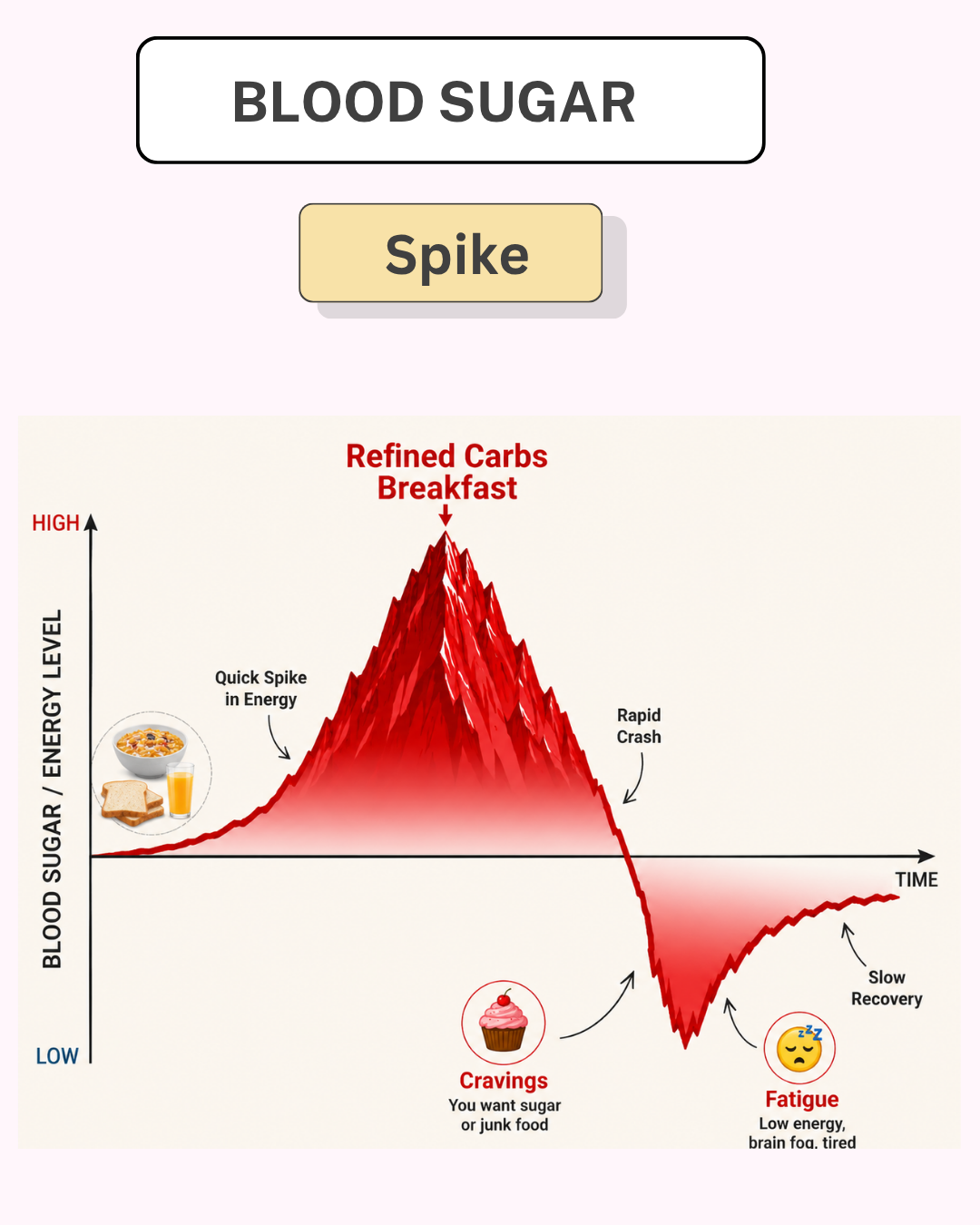
I used to start my mornings with a packaged granola bar, a bowl of sugary cereal, or a pastry alongside my coffee. By 10:30 AM, my energy would drop completely, my hands would feel shaky, and I would desperately look for another hit of sugar.
Got an extra pound of meat in the fridge? Don’t let it go to waste! Explore our collection of the..Best Stuffed Bell Peppers with Ground Beef
Flattening Your Blood Sugar Curve
When you consume refined carbohydrates or simple sugars on an empty stomach, your blood glucose levels spike rapidly. In response, your pancreas pumps out a massive dose of insulin to clear that sugar from your bloodstream. This causes a rapid drop in blood sugar, which triggers intense cravings and fatigue.
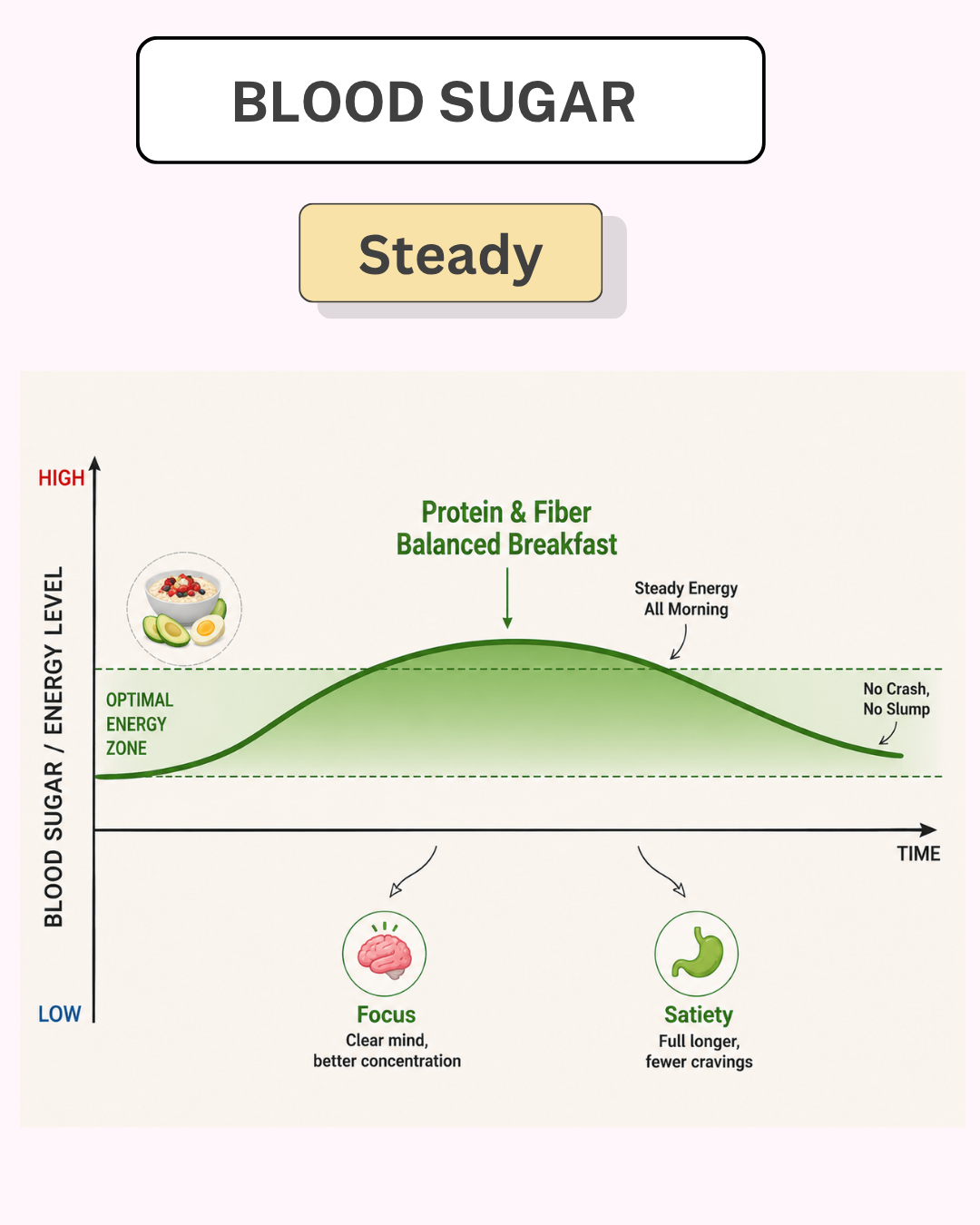
- Swapping out processed breakfast foods for a combination of high-quality protein and dietary fiber completely solved this issue.
- Protein and fiber slow down your digestion rate. This ensures that glucose enters your bloodstream at a slow, steady pace, providing consistent energy for hours.
Great Protein and Fiber Breakfast Pairings:
Three scrambled eggs cooked with a large handful of fresh spinach.
Unsweetened Greek yogurt topped with chia seeds, flaxseeds, and fresh raspberries.
A bowl of steel-cut oatmeal mixed with a scoop of grass-fed whey or plant protein powder and chopped walnuts.
Want to know why avocados are considered a superfood? Discover the 12 essential nutrients packed into every bite.
3. The 20-Minute Mindful Eating Window
In our fast-paced world, multitasking during meals has become the default behavior. We scroll through social media feeds, respond to work emails, or watch television while eating.
Reconnecting with Your Leptin Signals
When you eat while distracted, your brain fails to process the sensory inputs of the meal. This disconnect delays the release of leptin, the primary hormone responsible for telling your brain that you are full. It takes roughly 20 minutes for your stomach to chemically signal its satiety status to your mind. If you clear your plate in five minutes, you will likely overeat before your brain realizes you are already full.
Meal prepping can make intermittent fasting easier. Check out 8 Surprising Benefits of Intermittent Fasting That Go Beyond Weight Loss
Slowing down your chewing pace and dedicating at least 20 minutes to your meal without screens completely changes your digestion. This practice forms the bedrock of long-term healthy eating habits for adults who want to break free from emotional or stress-induced eating patterns.
Put down the fork: Set your utensils down on the table between each bite of food.
Count your chews: Aim to chew each bite of solid food 20 to 30 times before swallowing to ease the burden on your digestive tract.
Appreciate the sensory details: Pay close attention to the texture, aroma, and temperature of your meal.
4. Structuring Plates with the "Half-Vegetable" Method
I stopped using complicated apps to track every macro and calorie. Instead, I adopted a visual plate mapping strategy that automatically ensures high nutrient density and built-in portion control.
The Visual Guide to Nutrient Density
Every time you serve yourself a meal, ensure that at least 50% of your plate consists of non-starchy vegetables. The remaining half should be split evenly between lean protein sources and complex carbohydrates or healthy fats.
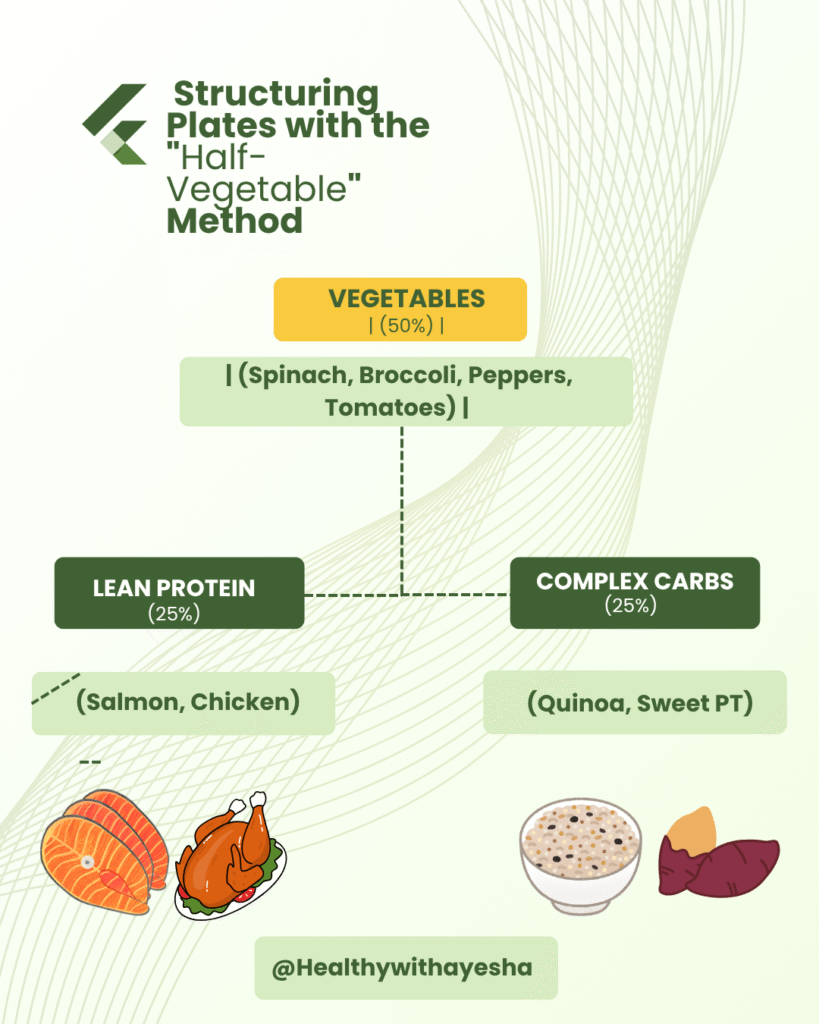
Vegetables possess a low energy density but a very high nutrient volume. They fill your stomach physically due to their high water and dietary fiber content, which triggers mechanical fullness receptors without overloading your body with excessive calories. The Centers for Disease Control and Prevention (CDC) notes that the vast majority of adults fail to meet daily vegetable intake recommendations, which directly contributes to systemic nutrient deficiencies and chronic fatigue.
5. Transitioning from Ultra-Processed Snacks to Whole Foods
The snack aisle is carefully engineered by food scientists to hit your “bliss point”—the perfect combination of processed sugar, industrial sodium, and refined fats that overrides your natural fullness signals.
Breaking the Hyper-Palatability Loop
Ultra-processed snacks digest almost instantly, leaving you hungry again shortly after eating. When I made a firm commitment to trade out packaged crackers, chips, and commercial snack bars for whole, single-ingredient options, my persistent brain fog lifted within two weeks.
This specific adjustment is absolutely vital when designing healthy eating habits for kids. By normalizing whole-food snacks early in life, you help protect children’s developing palates from becoming desensitized by hyperpalatable processed foods.
“If you think pancakes can’t be healthy, think again, and visit Healthy Kids Recipes.”
Whole-Food Snack Swaps:
Instead of Potato Chips: Try crisp cucumber slices dipped in organic hummus or roasted chickpeas seasoned with sea salt.
Instead of Fruit Gummies: Enjoy a handful of fresh blueberries paired with raw pumpkin seeds.
Instead of Milk Chocolate Bars: Opt for a couple of squares of 85% dark chocolate accompanied by raw almonds.
6. Keeping a Strategic "Clean" Kitchen Environment
Willpower is a finite resource. If you have to fight a mental battle against a bag of cookies in your pantry every evening after a stressful workday, your environment will eventually wear you down.
Setting Yourself Up for Automatic Success
The most sustainable way to maintain healthy eating habits is to design an environment where the healthiest choice is always the easiest choice. I stopped relying on pure willpower and started proactively managing my food environment.
If you purchase processed foods for an occasional treat, store them in opaque containers on the highest shelves of your pantry out of direct sight. Keep your counter spaces filled with fresh fruit, washed celery sticks, and visible jars of raw nuts.
“You do not rise to the level of your goals. You fall to the level of your systems.” – James Clear, Author of Atomic Habits
7. The 80/20 Rule of Dietary Flexibility
Perfectionism is the ultimate enemy of sustainable progress. When I used to view foods through a rigid lens of “good” versus “bad,” any minor slip-up would cause me to give up entirely and binge on junk food for the rest of the weekend.
Allowing Space for Mental Health
The 80/20 rule completely resolved this toxic psychological loop. This approach dictates that 80% of your total dietary intake comes from nutrient-dense whole foods, while the remaining 20% leaves room for absolute flexibility—whether that means sharing a pizza with your family or enjoying a dessert at a birthday party.
This structural flexibility turns a temporary diet into a lifelong way of eating. It reduces the psychological pressure around food choices, preventing the guilt and anxiety that so often derail long-term wellness journeys.
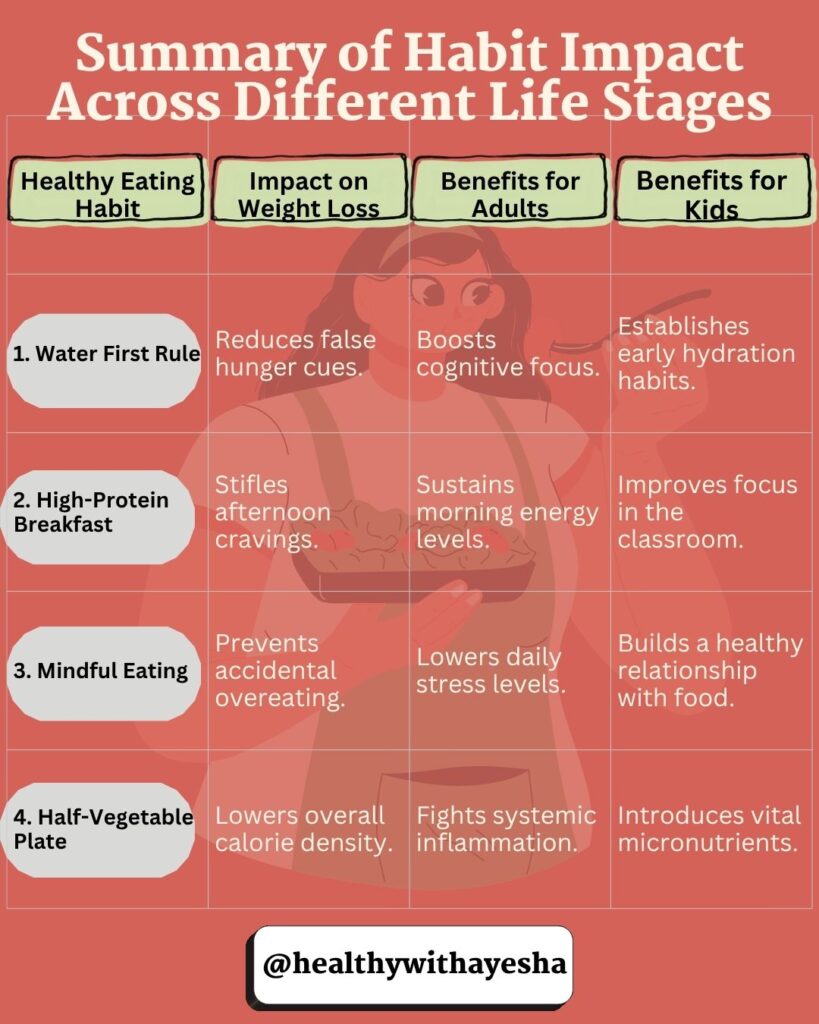
Conclusion
Reclaiming your health does not require radical restriction or daily misery. By integrating these 7 simple healthy eating habits that changed my life, you can gently guide your body back into its natural state of energetic balance, metabolic efficiency, and mental clarity.
Do not try to implement all seven steps tomorrow morning. Pick one single habit today—whether that is the “Water First” rule or restructuring your dinner plate—and commit to it completely for the next two weeks.
Are you ready to take control of your daily wellness? Head over to our related guides below to streamline your journey!
“Think of dessert alternatives as smarter upgrades—not punishments 15 Healthy Dessert Recipes That Actually Help With Weight Loss“
Frequently Asked Questions
How long does it take for these habits to become automatic?
While old folklore says it takes exactly 21 days to form a habit, modern behavioral psychology indicates that it realistically takes anywhere from 66 days to a few months, depending on the complexity of the action. Start by mastering just one single habit from this list before attempting to add the next.
Can I still lose weight if I follow the 80/20 rule?
Absolutely. Consistent weight loss depends on your long-term metabolic health and a sustainable calorie deficit. Allowing for 20% flexibility keeps you consistent over months and years, preventing the common pattern of giving up entirely on restrictive diets.
How do I get my kids to adopt these healthy eating habits?
The best way to build healthy eating habits for kids is through direct role-modeling. Children pay closer attention to your actions than your instructions. If they consistently see you filling half your plate with colorful vegetables and prioritizing water, they will naturally accept those behaviors as the household standard.
Do I need to buy expensive organic foods for these habits to work?
No. The shift from ultra-processed boxed foods to whole foods is infinitely more important than the choice between organic and conventional farming. Frozen vegetables, canned beans, and conventional eggs are excellent, budget-friendly options that work perfectly.